Should a wine producer focus on only a couple varieties? Or many varieties?

Maggiovini

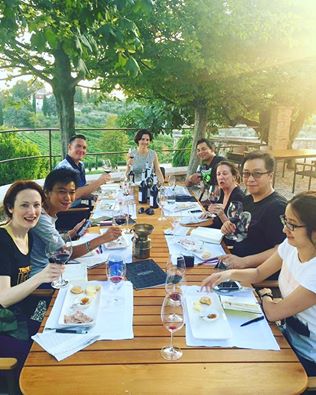
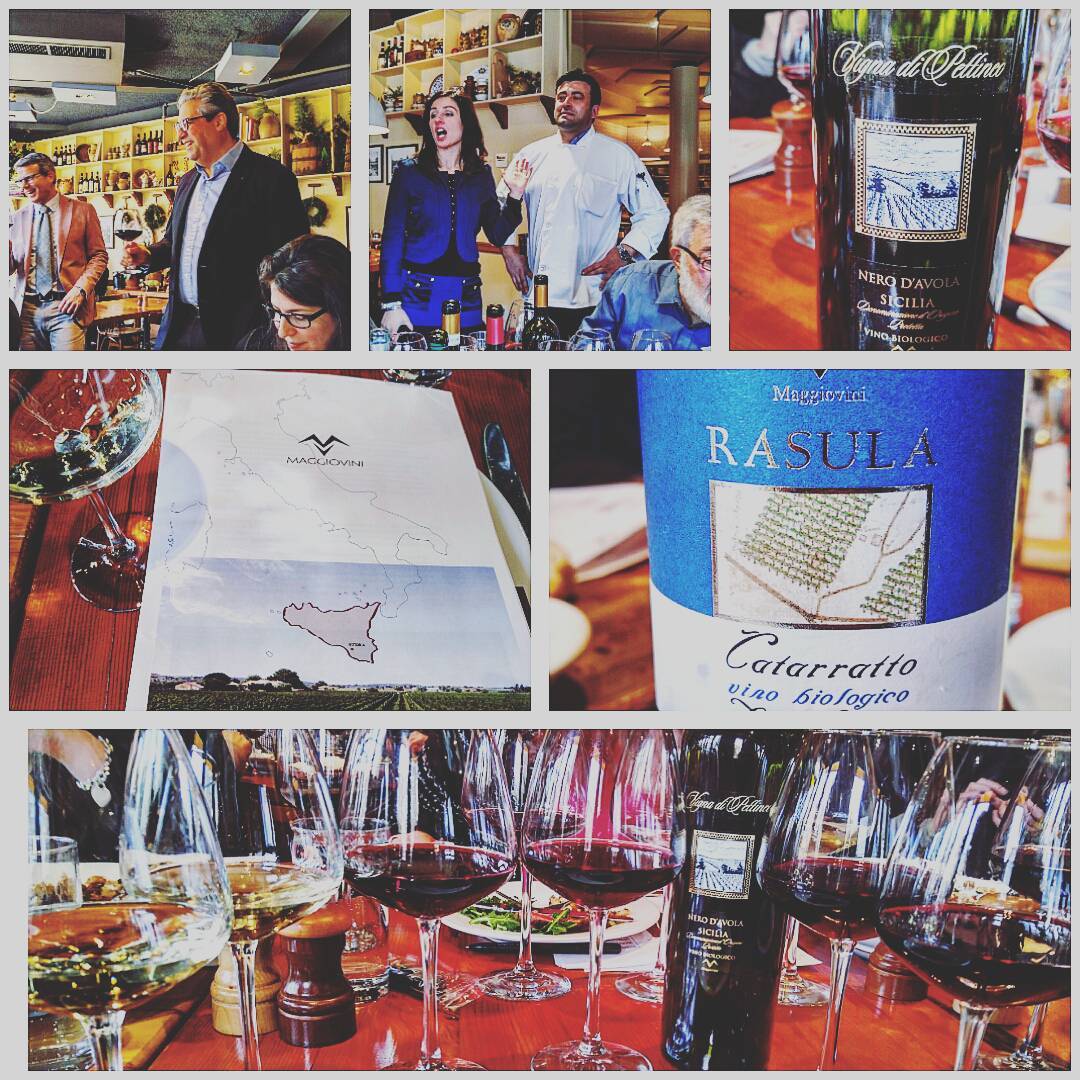
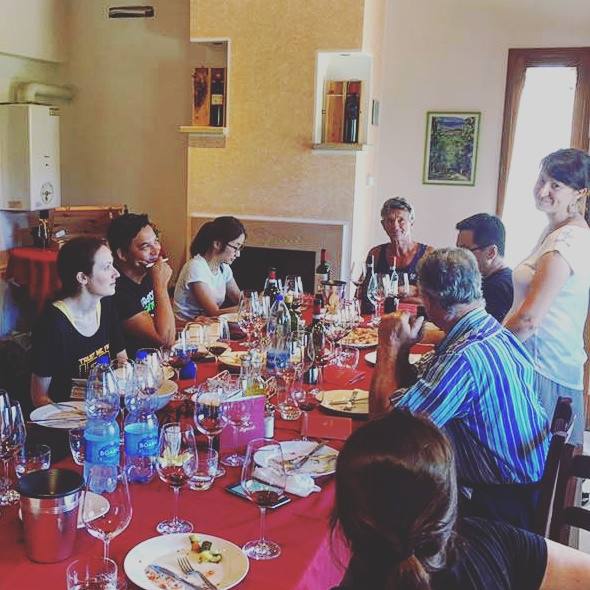
Maggiovini wine lunch at the charming restaurant Ristorante Rafele in the West Village, New York City

One of the countless decisions wine producers need to make is the number of different varieties they want to either grow and/or buy from other growers. Some producers may only produce wine from a couple different varieties, such as in Burgundy producing wines from Pinot Noir or Chardonnay. And others will have up to 25 different varieties (that is not including different clones, such as the Sicilian wine producer, Maggiovini, as I experienced a month ago during a lunch in New York City.

Why only focus on a couple?

As one can imagine, only focusing on one or two varieties would be a chance to specialize in only a couple styles of wines, and may ensure greater consistency of quality. Some producers are limited in their choice of varieties if they want to be able to use the local appellation, such as Chianti or the above mentioned Burgundy on their label. These restrictions are typical in Old World winemaking countries.

Also, it could be a chance to easily sell out one’s wine if they are taking advance of a trend. I remember visiting New York’s Finger Lakes (finger lakes blog link) last year and hearing many of the smaller producers say that they could easily make only rosé wine and they would have no problem selling all of it to tourists and the New York City market. Dry rosés have become immensely popular in New York City over the past five years. This popularity peaks during the summer, but there is such a high demand that in the past couple years there have been “rosé shortages”.

Why have many varieties?

I know many producers who would not agree with the notion that fewer varieties grown and/or bought guarantee consistent quality. Dealing with more varieties makes it more complicated and creates a lot of challenges, but if the producer is up for the challenge then certainly good quality can be achieved on a regular basis. South Africa is a great example of a country that grows many different types of varieties. This is due to the great diversity of their soil and microclimates, and so, many producers will not only make various different varietal wines but they will make blends made from several varieties.

Some regions in the world are limited to the varieties they can plant due to having extreme climatic conditions, such as Germany using their native cold-tolerant Riesling.
But some climates are more manageable, such as a warm climate like Sicily. Sicily is the largest island in the Mediterranean, and because of its size, unique history and diversity it could be considered a separate country from Italy. It was once known as a region that produced mainly bulk wine, but since the 1980s they have made major improvements in their vineyards and winemaking practices. For example, Mt. Etna, the active volcano that is in the north-east corner of Sicily, has become one of the most exciting wine places for serious wine enthusiasts. Another exciting area is the Cerasuolo di Vittoria in the south-east area of Sicily, the only area that has been given a DOCG, which is where Maggiovini is located.

Maggiovini Cabernet SauvignonBecause of their warm climate moderated by the water and by their investment into the vineyards and winery, Maggiovini is able to produce rich wines that have an underlying quality of elegance, which is evident in their Cerasuolo di Vittoria DOCG. French varieties as well as native ones do well in this area, and so Maggiovini grows 28 different varieties, including international and native varieties. I was surprised that I was such a big fan of their Cabernet Sauvignon. They are even experimenting with ancient varieties by trying to identify them and test if they are capable of making quality wine.

Their favorable climatic conditions make it possible for them to grow a range of varieties, and it is a smart business choice to help hedge their bets by making sure to not heavily invest into any single variety. I asked the New York’s Finger Lakes wine producers why they didn’t just make mainly rosé wines if they had such a huge demand from New York City. Their answer was simple: if the trend for rosé wine died then they could go out of business; diversifying their varieties helped to secure their survival.

Diversity of Cultivation is a Way of Life

Maggiovini also grows vegetables, cereals, almond trees, olive trees and carob trees, as well as their many different grapevines that are cultivated organically. And so the reasons behind the choices of how many varieties a producer should place their focus on not only have to do with the climatic, soil and/or regulation issues, it is also a choice of lifestyle. Some feel that focusing on one or two is the best for the achievement of excellence, and some feel that the excellence comes from the fact that one is able to achieve harmony among so much diversity.

**********************************************

Maggiovini Wines Tasted on February 11th, 2016

-2015 Maggiovini, Villa Maggio Pinot Grigio IGP Terre Siciliane:
100% organic Pinot Grigio. A richer, fruitier style than those found in the northeastern part of Italy. Juicy peach flavors with a pretty pristine finish.

-2014 Maggiovini, Rasula Cattarato IGP Terre Siciliane:
100% organic Catarratto. A nice example of how Catarratto is capable of making interesting whites under the right circumstances. White floral notes with lemon peel and bitter almond finish. A hint of salinity lingers on the palate. I’m also a fan of the texture of this wine as some skin contact gives it an interesting palate.

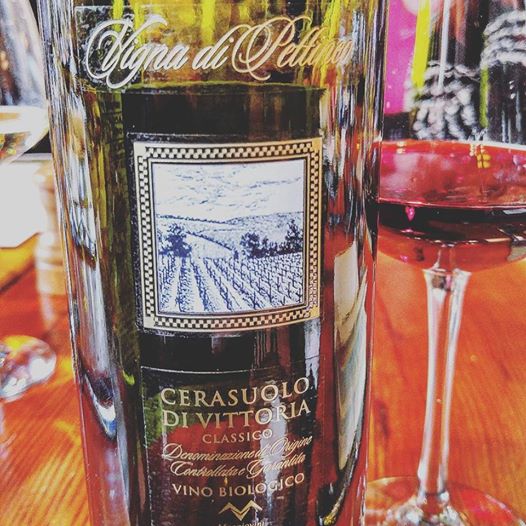
Maggiovini Cerasuolo-2013 Maggiovini, Cerasuolo di Vittoria Classico DOCG:
50% organic Frappato and 50% organic Nero d’Avola. This was hands down my favorite wine. Cerasuolo di Vittoria is an area that is known for elegant wines, which was evident in this one. Frappato and Nero d’Avola make perfect partners, creating a wine that has an exhilarating nose with fine tannins and wild plum flavors. A very exciting wine!


-2013 Maggiovini, Villa Maggio Pinot Nero IGP Terre Siciliane:
100% organic Pinot Nero. Lots of structure, with a rich body and dominance of black fruit.

-2013 Maggiovini, Pettineo Nero d’Avola DOP Sicilia:
100% organic Nero d’Avola. A spicy nose with decadent flavors of chocolate and plum pie balanced with earthy notes. A robust wine that has good harmony and balance.

-2013 Maggiovini, Villa Maggio Cabernet Sauvignon IGP Terre Siciliane:
100% organic Cabernet Sauvignon. A nice fresh quality gives lift to this well structured, yet soft textured wine. It is a big Cab with loads of ripe black currant fruit but conveys a sense of overall powerful elegance. Even though the Cerasuolo di Vittoria was my favorite, I must say I was impressed by this Cabernet Sauvignon and it really shows the quality potential for Vittoria.
Posted in Dame Wine | 2 Comments

The Vineyard Whisperer

ColomeDonald Hess has a great knack for picking vineyards and making wines that are able to express unique qualities of a particular region. When he was at the helm of the Hess Family Estates, he was able to bring together a collection of wineries that all showed an intrinsic aspect of a certain terroir. This was evident when I tasted two of their wines from the Salta Province of Argentina, Colomé (one of the oldest wineries in Argentina), and Amalaya, with Colomé winemaker, Thibaut Delmotte, a few weeks ago.

Hess has the ability to see a piece of property’s potential as a future high quality producing vineyard, even though it may be considered an uninhabitable place by others. Some of the properties that he has planted in Salta were said to be too dry and/or too high in altitude to produce high quality grapes.

The Importance of Water

Water plays a great role in growing healthy grapes. Wet, humid climates, such as Virginia in the US and Bordeaux in France, can have excessive water. Too much water and humidity may cause diluted grapes, too much energy into the leaves, too little energy into the grapes, development of a shallow root systems and vine disease.

Alternatively, lack of water can cause extreme stress for the vines, which can incidentally cause photosynthesis to shut down. Photosynthesis is the process by which the vines convert light into energy, and so, it is easy to see how this could be a problem.

The first property that Hess bought in Salta is called Finca Amalaya, and Amalaya later became the name of their second label. Amalaya, in Spanish, expresses the hope that a certain event will occur, even though many times that event seems like an impossible feat. Many locals thought it was madness for Hess to buy this property for the purpose of planting a vineyard, since there was no known source of water. But the story goes that he took off his ring and waved it in the air to sense the water in the ground, and to everyone’s shock, he found water. And not just any water, but what they call “sweet” water – it does not have high levels of salinity, which is important when using it in the vineyards.

Since Hess mainly made his fortune from building the largest mineral water producer in Switzerland, Valser Water Company, it is said that he has a strong feeling for finding pristine water. Call it a talent, call it a gift, but it is something that can not so easily be taught.

Altura MaxThe World’s Highest Estate

Donald Hess goes even further with his pioneering spirit of spearheading plantings in vineyards at high altitudes. Colomé has just released a wine which has the label of being the “World’s Highest Estate”, called Altura Maxima. The wine is made from Malbec planted in a vineyard that sits at an elevation of 10,207 feet (3,111 meters). Interestingly, Colomé tried many other varieties before settling on Malbec, even though one would think that they would settle on Malbec by default, but they wanted to see how other varieties would fair. They tried Cabernet Sauvignon, Tannat and Pinot Noir, yet due to frost issues in spring and early fall they needed a variety that had a short cycle and that had bud break later.

In the end, Malbec was the winner, but not without a struggle. They planted the Malbec vines in 2007 and it seemed to be an unending battle with the previously mentioned frost, as well as the donkeys, hares, bees, wasps and birds. After building a fence and using nets on the vines, they were able to produce an extraordinarily high quality Malbec with a breathtaking nose (see tasting note below).

As the altitude increases, so does sunlight. The skins of grapes thicken to protect themselves and so it gives more tannin to the wine. But not just any tannin, it creates a higher proportion of polymeric tannin. I know what you are saying, “What the heck does that mean?!” Basically, it is softer tannins that give more elegance, rather than harsh structure to a wine. And as I mentioned before, the aromatics are off the chart. Malbec is a grape that is capable of expressing beautiful layers of fragrant deliciousness, however, it is, many times, grown in a way where it never gets to live up to its potential.

In the Altura Maxima vineyard, the increased sunlight intensifies those intoxicating aromas, while the cooler temperature retains acidity keeping freshness in the grapes; Colomé’s high altitude vineyards have up to a 25 degree difference in temperature between day and night.

Wine: Science & Art

Many of us have heard that making wine is both a science and an art. Typically, the art is considered the artistry of the winemaker in the winery. I agree that is part of it, but it is not the only aspect to the art. There is a feeling for the land that sometimes goes beyond what common logic dictates. Sometimes this is shown in family vineyards that have been owned for decades, where the vines are like the owners’ children. In this case, the owner knows his vines so well that no specialist or expert could ever advise them better than their own experience with their “children”.

And then we have the visionaries. Those special human beings who can see the potential of a piece of land that no one else can see. Sometimes they are limited by resources, or by the lack of leadership skills that is needed for such an enterprise, but once in a while, a person will embody all of the traits needed to transcend the impossible into possible.

Donald Hess is that man. A man who appreciates art, apparent by his support of contemporary artists; a man who is not afraid to carve out a new path; a man who has the resources to make dreams a reality; a man who is able to show the world of wine that there are no boundaries; a vineyard whisperer.

Hess retired from day to day management of Hess Family Estates in 2011, but he remains an important part of the vision of the company. The Colomé and Amalaya wines are not only bewitching wines because of their appealing nose and palate, but they are a symbol of the deep rooted potential in all of us, that, tragically, most don’t get to realize, but a few do. Sometimes, something crosses our path, such as the Altura Maxima, that inspires us to take chances, because even though we could fail, we may ultimately create something grander than we could have imagined.

********************************************

Wines tasted on February 4th, 2016

-2015 Amalaya White Blend (85% Torrontés & 15% Riesling):
A refreshing wine with pretty flavors of lemon confit, honeysuckle and exotic spice. It was a happy accident that they found a grower with Riesling in his vineyards, and even though it was not part of their original plan to blend Riesling, it has certainly worked out as a delightful partner for Torrontés. They grow their white varieties in the Pergola Trellising system (it is like a bunch of attached gazebos made of leaves) to help keep them from getting sunburned. Colomé has two different wineries, one for their Amalaya selection, which focuses on blends and making wines at a higher quantity, and Colomé, which focuses on single varietal wines that are made at significantly lower quantities. Suggested Retail Price: $12

-2015 Colomé Torrontés:
Ripe, juicy white peach with a touch of perfume. Thibaut Delmotte, Colomé Winemaker, said that they pick these grapes later since Torrontés has a tendency to have a short, bitter finish if it is not ripe; I have to say that this was the first Torrontés I have had that did not disappoint on the palate. Suggested Retail Price: $15

-2014 Amalaya Malbec (85% Malbec, 10% Syrah & 5% Cabernet Sauvignon – allowed to place ‘Malbec’ on the label if there is a minimum of 85%):
Blackcurrant flavors with notes of pepper and dried herbs. This wine has a nice balance between sweet fruit and savory flavors. Suggested Retail Price: $16

-2013 Colomé Malbec Estate:
Not only did I enjoy the concept of this wine, but it certainly gave a lot of bang for the buck. It is a single variety wine that is multi-altitude. What does that mean? The fruit comes from three vineyards at three different altitudes. 10% comes from La Brava Vineyard, at 5,740 feet (1,750 meters), which gives the wine ripe, generous fruit; 65% is from Colomé Vineyard, at 7,545 feet (2,300 meters), which gives the wine fresher fruit flavors with higher notes of spice and flowers; 25% is from El Arenal Vineyard, at 8,530 feet (2600 meters), which gives structure, elegance and a sense of minerality. It was a wine, especially considering the price that showed multiple dimensions in its texture and flavor profile. Suggested Retail Price: $25

-2014 Colomé Malbec Autentico:
This wine is called “Autentico” because there is no oak aging (100% stainless steel), no filtration and no fining, and so, one gets to taste the fruit without it getting help from the previously mentioned processes. Also, an interesting side note is that all of Colomé’s reds use indigenous yeasts. The grapes for Autentico are picked later, since it is essential to have ripe fruit, skin and seeds when oak cannot be used, so this wine was bursting with flavors of blueberry pie and stewed plums, and it was proof that even though Malbec benefits from oak, it does not necessarily need it. Suggested Retail Price: $25

-2012 Altura Maxima Malbec:
As you can imagine, when everyone saw the $125 price tag compared to all the others, there was a question if this wine would be worth it. It is the “World’s Highest Estate” at 10,207 feet (3,111 meters). Well, this wine’s breathtaking, outstanding quality was the answer to the question of price. I always thought that only moderate to light bodied reds could have the best nose. This wine proved me wrong! It had one of the most exhilarating noses that I have had in a while… and it was big and structured and fresh while swirling exciting violet and granite aromas in my head. This is the first vintage of this wine, and only six barrels made. It you can get it, count yourself lucky. It is a bucket list wine. Suggested Retail Price: $125

Save

Save

Save

Save

Posted in Dame Wine | Tagged , , , , , , | 4 Comments

An Israeli Wine made from Palestinian Grapes

Pic IsraelI could certainly be accused of placing a title that is click bait. Actually, I’m not happy with most of my titles. They typically express a question or idea that I am pondering, and not so much what would get a lot of views. I’m trying to find the balance between what titles will actually get people to read my posts while keeping them authentic to the thoughts in my posts.

This title is both authentic and intriguing. The intriguing part is obvious; there are many reasons why it is authentic to this post, but some less obvious. That an Israeli wine is being made from Palestinian grapes was the main reason I was excited to go to a lunch a couple of weeks ago, to meet an Israeli wine producer.

The producer is Recanati, one of the better known (in New York City) Israeli producers. They make a wide range of wines, and even their mid-level wines, such as their Diamond Series Cabernet Sauvignon, have received praise from wine critics. But also, I realize that they may not be as well known in other areas of the world. New York City has the largest population of Jewish people outside of Israel and so, many Jews and non-Jews would have tried Israeli wines at a Passover seder (a festive Jewish holiday dinner involving drinking kosher wine), and since Recanati has made a name for themselves, they have graced many a Passover table.

But I will go into a small rant later in this post, and I promise it will be small, about people only drinking Israeli wines for Jewish holidays.

So I went to a lunch at the trendy, East Village restaurant Kingsley, to meet head winemaker Gil Shatsberg, and owner Lenny Recanati of the Recanati Winery.
They talked us through a tasting of some of their wines (tasting notes after post), as well as talked about their project with a wine grower in Palestine. But they quickly discussed the wine made from Palestinian grapes since many were eager to discuss it. Shatsberg said they set up a date for harvest with the grower in Palestine, they visit to take samples and then transport the grapes to the Recanati winery. I asked him if it was dangerous….

“It is so simple you can’t believe it.” – Gil Shatsberg, head winemaker at Recanati Winery

Shatsberg and Recanati both said that what we see on TV is only a small percentage of what happens in Israel. Many Israeli and Palestinian people want to do business with each other, and this project is a great symbol of making those desires and dreams happen. And so, the Israeli wine from Palestinian grapes was not the story I thought it would be; I thought it was going to be a tale of dodging bullets in the name of making wine, but it ended up to be a different story, a better story. This is a story about good people working with each other regardless of their nationality or the current state of politics.

Perception Compared to Reality

The US news and TV, as well as my beloved internet, can warp our view of a certain place. The extremists are the ones who get the most media coverage. Being an American, and specifically a New Yorker, I sometimes encounter some crazy stereotypes myself simply because of what the international media projects to the world. It doesn’t happen all the time, but when someone basically sums up the type of person you are simply from where you live, it does seem like an impossible prejudice to overcome.

Israeli wineries are unfairly associated with war, when in reality, most countries have been in a war at one time or another, and war is, by its nature, chaotic. I do not know of any country or people who have been able to handle war perfectly. And this story of an Israeli producer and Palestinian grower easily working together in harmony will never go viral, it will never make the news, even though it represents an attitude that many have on both sides.

Not Just Israeli Wine but an International Wine

Lenny Recanati talked about his ancestry in Italy – he said there is even a town called Recanati in Marche, Italy. His family was not the only Jewish Italian family who made wine, as he said that there had been Jews making wine in Italy since the 15th century, but during World World II, the documents of these producers were destroyed. And so, winemaking is in the Jewish DNA. Also, Israel is a very diverse country, many may share the cultural and/or religious commonality of being Jewish, but since they come from various countries that range from Europe to Ethiopia, they have a melting pot in their major city of Tel Aviv that can only be rivaled by New York City.

Pic Wild CarignanThe Recanati Winery represents that diversity with their staff: head winemaker Gil Shatsberg was trained at UC Davis in California, and his co-worker Ido Lewinsohn was trained at the University of Milan. Their diversity extends out to the relationships they have with their growers, of course the grower in Palestine being one great example, another being the old vine Carignan grapes they buy from an Arab Christian – yet another simple story of harmony within Israel that will not make the papers.

Archaeologists have uncovered a 3,700-year-old wine cellar in the Canaanite palace in Israel, which reveals that area has been involved in making wine for many thousands of years.  Israeli producers believe that some indigenous varieties, as well as some Rhône varieties, are ideal for their Mediterranean climate and terroir.

And here’s my brief rant about Israeli wines being seen as wines to only drink for Jewish holidays or events. This is probably one of the biggest pet peeves I have about New York City as a drinking culture. Yes, we have the second largest population of Jews, and hence we have many wines from Israel here, but there is still the issue that they are not seen as quality wines. This could stem from a hard core reality that Israel had a primitive wine industry a few decades ago, and so, many New Yorkers associate Israeli wines with being incapable of excellent quality.

But recently, Israel has seen major investment of money and energy into their wineries. Recanati was started in 2000 by Lenny Recanati, who is not only a passionate wine lover, but a man wanting to reconnect with his forefathers’ love for making wine. Even the famous Rothschild family has invested heavily in Israel’s wine industry.

And what about the kosher issue?

Being kosher and/or kosher for Passover does not affect quality. Even though there have been many discussions whether top Israeli wineries should be kosher or not, some say just the idea of them being kosher hurts the quality perception of their wines, but they want religious Jews to be able to enjoy the best wines that Israeli can offer, especially if it does not affect quality and keep others from enjoying it. It comes down to educating the public that they offer a range of quality and can reach great premium heights. Also, enlightening the world that Israel can work in peace with their neighbors in a mutually beneficial relationship.

A Wine that Represents Hope

The Recanati wine that is made from Palestinian grapes is a white variety called Marawi. The grower’s name is kept anonymous since there could be backlash against the Palestine growing grapes for the purpose of making wine and/or working with Israelis. Marawi is thought to be a variety that has been around for thousands of years. It has survived being completely ripped out and eradicated, during times when winemaking grapes were destroyed, because it is a tasty grape to eat as well.

It is a beautiful representation of those who survive against all odds, and the hope that not only can all of us live in peace with each other, but we can thrive from the diversity of our world.

**************************************************

Recanati Wines Tasted on January 26th, 2016

-2014 Marawi:
We did not get a chance to taste this wine. There are only 2500 bottles made and so it will be allocated to only a few accounts in major cities such as New York City.

-2014 Sauvignon Blanc:
It seems sort of odd to have a sauvignon blanc from Israel, and some may say only the reds are good from such a warm country. But this is a nice example of a fresh, lively aromatic wine that had more fruit notes (tropical fruit with citrus) than herbaceous ones and a hint of black currant leaf gave it a nice lift on the finish. These vineyards are on a higher elevation which moderates the temperature.

-2012 Special Reserve White (60% Roussanne and 40% Marsanne):
Okay, now we get into the more serious wines. This wine shocked me for several reasons. Honestly, I did not know that Israel could make a white wine this stunning! It could easily compete with some of the top white Châteauneuf-du-Pape (CdP) wines. Also, many of us who love white CdP have a slight prejudice against Marsanne, always believing Roussanne to be the higher quality variety. But I must say it seems Marsanne, as well as Roussanne, does very well in Israel, and this wine made me actually think about instead of buying Château de Beaucastel Coudoulet Blanc, I would buy this wine. And yes, Beaucastel 100% Roussanne old vines will always be the best in this category, but it is also $130 compared to the suggested $50 retail of this wine. Lots of peachy flesh, lovely complexity of white flowers and roasted cashews. It was incredibly rich in texture yet with a good backbone of acidity and fresh flavors. I just hope this is not the last time I have it.

-2013 Reserve Petite Sirah:
Personally, I am a fan of Petite Sirah and I am always on the lookout for a good one, which is not so easy to find. This wine is great for those who love tannic structure, and the tannins are nicely shaped with no astringency. I think too many producers shy away from producing a 100% Petite Sirah because they are afraid of the tannins, but tannins are not always a bad thing, especially when it is a well made wine. Opaque color, ripe blueberry and spicy notes.

-2012 Reserve Syrah Viognier (97% Syrah and 3% Viognier):
Aromatic red with white pepper, perfumed nose, well-integrated round tannins and fresh black berry fruit that carries through the long finish.

-2013 Reserve Marselan:
Marselan is a cross between cabernet sauvignon and garnacha that was created in the 1960s in Montpellier, southern France, to be a large-berried variety that produced high yields. It turned out to have small berries and produces higher quality at a lower quantity, and so it was forgotten about since it ended up not fulfilling its high yield promise. But a few quality producers, such as Recanati, have decided to use it. Wild brambly flavors with fresh sage and a soft body that caresses the palate.

-2013 Reserve Wild Carignan:
Old, wild vines, the wild referring to them being bush vines producing low yields. Carignan is typically used as a blending grape in the south of France and northeast Spain, but under the right conditions it can make exceptional wines on its own. The tannins were not as strong as I thought they were going to be. Actually, it had a lovely textural component that one does not expect from Carignan. Layers of flavors with boysenberry, clove and rosemary.

-2012 Special Reserve (30% Cabernet Sauvignon, 30% Syrah, 25% Marselan and 15% Carignan):
Also, may I say that the alcohol seemed balanced in all the wines with the whites ranging from 13-13.5% and the reds ranging from 14-14.5%. There was never any type of heat detected and I didn’t even think about the alcohol. The head winemaker, Gil Shatsberg, said how he was against a jammy style and always strives for elegance and restraint in his wines, which he succeeds – and this Special Reserve is a wonderful example of his philosophy. Black cherry with tobacco leaf, exotic spice and a whisper of dark chocolate… and yes, I did use “whisper” in a tasting note – it promises hedonistic pleasure without giving up too much all at once… and so, the wine always gives more with each taste. A big, bold wine that atypically leaves a drinker wanting more…

Posted in Dame Wine | Tagged , , , | 2 Comments

When Lost Chances Become a Benefit: The Story of South African Wines

In the 1954 film, On the Waterfront, there is a famous scene in which Marlon Brando says, “I could’ve been a contender. I could’ve been somebody.” I first saw that movie with my step-father, when I was a child, and did not understand the full impact of that scene. But when I looked up at his eyes and saw them filled with tears, I knew those words touched some deep regrets he may have had. Now, I have these same thoughts when I think about South Africa’s chance to make a name for itself in the US market.

Pic South Africa5South African Wines

Three weeks ago, I attended a South African masterclass in New York City. I have to admit that even as little as five years ago, I was not thrilled with the idea of tasting South African Wines. When they first hit the US market, they had gained a less than favorable reputation, but it is now said that the poor quality was due to hygiene issues that have since been almost eradicated. Some may remember that typical “rubber” note that was common with South African wines – South African wines I have tasted in the past couple of years have had that note. I actually tasted many wines during and after the masterclass and some were very impressive, tasting notes given at the end of this post.

South Africa’s Lost Chance

There is much to learn about South Africa as a wine region. One aspect, which I have been thinking about for weeks, is the idea that they missed out associating one variety with their country, such as Australia with Shiraz (Syrah) and Argentina with Malbec. Since South Africa was basically cut off from the rest of the world during Apartheid, they missed taking advantage of that trend.

Making the Most of Lost Chances

The longer I live and the more conversations I have with various people around the world, the more I realize that most people have had the feeling of regret at least once in their lives. One of the major differences between those who are content with their lives, as opposed to those not content, is the ability to find a way to let go of that regret and to focus on the present. It is a discipline that one needs to place effort into every day; if it were so easy to let go of regret, then everyone would do it.

Stephen Hawking is a great example of someone who did not allow lost chances to get in his way of becoming one of the greatest minds of our time. Hawking is an English theoretical physicist and cosmologist who, in 1963 at the age of 21, was diagnosed with motor neuron disease. Even though he eventually became paralyzed, he did not allow that to stop him from not only continuing his research of the universe, but eventually communicating his findings to the world.

“Although I cannot move and I have to speak through a computer, in my mind I am free.”
-Stephen Hawking

As I observe the world I find with increasing interest how some can be given so much and still feel bad about their lives, and some can be given so little and be grateful for every little thing, and vice versa. It is truly a choice that we make everyday. Of course, I do not mean to make light of serious traumatic events that would break anyone’s spirit.
It is a choice: either we take responsibility for creating our own opportunities and happiness or we don’t.

The Benefit of No Signature Variety

It is fair to say that South Africa missed being able to associate itself with one variety.

A signature wine is different from a signature variety in that a signature wine can be a blend, such as the classic sparkling wine that comes from Champagne and takes its name from the place. There is a well established trend in the New World that associates a single variety with a particular country, hence why to some, a signature variety is essential to succeed with exports. Those fast successes, like many fast successes, can end up causing detriment to a country’s long term success: Australian Shiraz being considered too much of a big fruit bomb and Argentinian Malbec being considered a quaffing wine that should not go beyond an entry level price point. Even beloved New Zealand is diversifying their plantings in case the whole Sauvignon Blanc craze ends.

The above sweeping statements are unfair and do not tell the whole story of countries that produce wines of various styles and quality levels, but those are the stories that gave them international fame, and so those are the stories that are rooted in many consumers’ minds. Even though South Africa is playing catch-up in building an international brand, in a way, it was good that they waited, even if waiting was not by their own design.

White and Red Blends

Some of us wine nerds may remember Pinotage as being the variety to represent South Africa, but it really was never that big of a player. Consider that in 2000, it only made up 7% of total vineyards (Wine Grapes as % of Total Hectares), and today is still only at 7% (it was uprooted in some places and planted in other more desirable soils in South Africa). Chenin Blanc is the most planted grape variety, occupying 18% of vineyards, trailed by Cabernet Sauvignon occupying 12%.

Aerial

Photo Credit: All copyright is with Wines of South Africa and photographer Klein Constantia.

South Africa actually has many varieties planted because it has some of the most diverse terroir in the world – over 60 different types of soil exist. And it is common for the soil to change every three meters (nine feet) – this is the reason why there are so many varieties planted.

Why is all of this important? Okay, let me follow a question with another question: what is currently one of the biggest trends in wine? I know there are many, but there is a growing trend of New World blends. Major brands are promoting them and they are great wines to sell because no matter the vintage, a producer can produce more consistency and balance. I was especially impressed with the blends from South Africa.

What is great about blends from South Africa is that it is not a marketing ploy – it mainly came from quality minded producers having such diversity within the same vineyards that they had to plant different varieties to produce top quality wine. It is a natural result of their unique landscape.

In the film, It’s a Wonderful Life, George Bailey was bogged down by the daily grind of his life and the regrets he replayed over and over in his head. He thought his life had no value until he was given the rare opportunity to see what other people’s lives would be like if he was never born.

In a way, South Africa was going through so much turmoil that it took a while for them to truly realize the incredible potential of their land. They are now starting to live up to their glorious terroirs, but it is a matter of showing the world that their wines have more value than once thought, and we will see if their lost chances can become a benefit.

*******************************************************

South African Wines tasted at Masterclass on January 12th, 2016

Tasted as aperitif before the seminar:

-L’Ormarins Brut Classique NV from Franschhoek (55% Chardonnay & 45% Pinot Noir):
Pure, pretty fruit flavors of fresh cherries and white peach with some toast notes and creamy texture that is balanced by a good energy on the palate.

Tasted during the seminar:

-Saltare Brut Reserve NV from Swartland (Chardonnay & Pinot Noir – no % of blend given):
Lots of rich autolytic notes expressed by brioche (spent 3 years on lees and their tech sheet says to “enjoy within 3 years after disgorgement” with the disgorgement date being the 23rd of June 2015). It had an intense citrus peel note that was not too sharp but more rounded such as you can find in lemon confit. Good acidity and I believe this sparkler will open up in time.

-2015 Virgin Earth Sauvignon Blanc from Langeberg Garcia:
Langeberg Garcia is one of the smallest appellations, and a new wine to hit the US market. It is much more New Zealand in style than South African, and what I mean by that is that it has pronounced flavors of tropical fruits and herbaceous notes, and South African Sauvignon Blanc is typically more subtle in style. But the acidity is not as fierce as in versions from Marlborough, New Zealand.

-2014 Bizoe Henrietta from Franschhoek (70% Sémillon & 30% Sauvignon Blanc):
Pretty spicy note that indicate good integration of oak with honeysuckle notes and creamy texture that points to lees aging, only a small quantity is produced.

-2014 Waterkloof Chenin Blanc from Stellenbosch:
Biodynamic practices, indigenous yeasts, no enzymes added. Touch of lanolin and a broad quality to the high acidity with rich apple pie notes.

-2014 Terre Brulee Chenin Blanc from Swartland:
A more linear Chenin with laser acidity that shoots right down the palate carrying intense honey and quince flavors.

-2014 Kershaw Chardonnay from Elgin:
A cool weather styled Chardonnay with dominant citrus fruit white stony minerality (not coming from the soil but more describing the restraint, elegant style of the wine) and faint hint of clove indicates a judicious amount of oak used.

-2015 De Wetshof Limestone Hill Chardonnay from Robertston:
This wine has a similar restraint as the previous Chardonnay but more creaminess and texture on the palate and the fruit more vivid – golden apple. 100% stainless steel and so no oak used yet lots of lees stirring (battonage).

-2014 Black Elephant White Blend from Franschhoek (58% Sauvignon Blanc,
33% Semillon & 9% Viognier):
A lush body with notes of honeycomb, dried apricots and white flowers with a bright finish.

-2013 Creation Pinot Noir from Hemel en Aarde:
The Hemel en Aarde region is making a very good reputation for themselves as a producer of Chardonnay and Pinot Noir wines by pioneers such as Hamilton Russell and Bouchard Finlayson. A pretty Pinot Noir with bright red cherry with a light body, sweet spice and marked acidity.

-2014 Radford Dale Frankenstein Pinotage from Stellenbosch:
Smoke, dried herbs and black cherries with a nice balance and finesse that one would not expect from a Pinotage.

-2010 Thelema Cabernet Sauvignon from Stellenbosch:
A great example of what South Africa does best. Some much generous ripe fruit on the nose it makes one salivate yet the palate is refined and fresh.

-2011 Rustenberg John X Merriman from Simonsberg-Stellenbosch (55% Cabernet Sauvignon, 37% Merlot, 4% Petit Verdot, 2% Merlot and 2% Cabernet Franc):
More structure than the previous Thelema 100% Cabernet Sauvignon, and I know that is odd, because you would think it would be the other way around, but sometimes place and winemaking trumps variety/varieties.

-2012 Noble Hill Estate Blend from Simonsberg-Paarl (66% Cabernet Sauvignon, 28% Merlot, 3% Cabernet Franc and 3% Petit Verdot):
Hedonistic wine with flavors of blueberry pie with an intense nose of cinnamon spice and velvety mouthfeel.

-2011 Ken Forrester Renegade from Stellenbosch (60% Shiraz, 26% Grenache and 14% Mourvedre):
At one time one could guarantee that a wine labeled with Shiraz was going to be in a more New World Australian style, and a wine labeled with Syrah would be more Old World Rhône. But that is not necessarily true nowadays, and this wine is a great example since it has Old World charm with savory flavors of bacon and dried herbs with juicy black and red fruit. Old World rustic charm with New World polish.

-2011 Fable Mountain Vineyards Syrah from Tulbagh:
Angular body with textural complexity of firm tannins that coat the palate with good amount of flesh to balance it out. This wine has the ripeness and generosity of the New World but with the elegant structure of the Old World.

Wines tasted after the seminar that I found very impressive:

-2014 Rall White from Swartland (Chenin Blanc, Verdelho, Chardonnay and Viognier – no % of blend given):
This wine was a revelation with a big, rich body balanced with marked acidity and an intoxicating flinty note. It is lush without being heavy, decadent without being vulgar…. a real lady who is in touch with her passion.

-2012 A.A. Badenhorst Red Blend from Swartland (Shiraz, Cinsault, Tinta Barocca, Grenache and Mourvèdre):
A dark and serious wine, like Hamlet, with spice, black currant flavors and a wafting of purple flowers. A plush body that is round yet has good structure. A wine that draws you in and never lets you go.


Save

Save

Posted in Dame Wine | Tagged , , | Leave a comment

Should Bordeaux Go Back to Less Ripeness & More Structure?

Pic Cos

I can’t blame Bordeaux, which struggled for many decades to ripen Cabernet Sauvignon, for celebrating the warmer vintages they have received over the past decade. But Bordeaux has been criticized by some for the increase in alcohol, ripeness and lack of tannin and acidity. There are plenty of consumers who want lush, more generous wines, but why not buy Napa Cabs if that is what one is looking for? And do Bordeaux wines still express that special spark when it’s too ripe? Or do they need to focus on more restraint and structure in warmer vintages?

Nothing is Permanent

This is one of the best and worst things about life. In bad times we can always count on change, and unfortunately, we cannot stay frozen in the great times. It is probably one of the biggest factors in life that causes us the most joy and the most pain: change.

And so not only did the general climatic conditions change in Bordeaux, there were advances in the vineyards and winery, as well as trends towards richer and riper styles. Bordeaux could not stay the same… it was forced to evolve.

I remember a discussion during the 2010 MW Symposium, in Bordeaux, between Paul Pontallier, the Managing Director of Château Margaux and Paul Draper, the chief winemaker for Ridge Vineyards in California, about the change in styles. Draper had always admired the restrained style of old school Bordeaux while Pontallier said that the Bordelais had always struggled with too much austerity in their wines and welcomed the new generosity of the modern vintages.

Their conversation was beautiful in the sense that each one wanted what came easily to the other. A great analogy for life: most of us do not appreciate those things that make us unique. We typically see those unique traits as flaws, especially when we are younger and less secure, and we try to fit in with the popular consensus – sometimes forcing ourselves to live in an unnatural way.

More Alcohol and Less Structure

Some lovers of traditional wines scoff at Bordeaux’s evolution into a riper, more accessible style, while those who appreciate a more decadent wine have been won over.

A couple of years ago, I had a great discussion with Christian Moueix in regards to my preference of the 2010 La Fleur-Pétrus over the 2009. He seemed quite surprised and asked me why. I said that I liked the tension in the 2010, to which he replied that when you get to his age you do not want tension anymore!

But that is Pomerol and so one expects those wines to have opulence.

What about the great wines of Saint-Estèphe, such as Montrose and Cos d’Estournel?

On January 18th, in Washington DC, I attended a wine dinner that was led by Aymeric de Gironde, recent Director of Cos d’Estournel. It was a great chance to not only check in on many vintages but to see the evolution of the Cos d’Estournel style. Cos is undoubtedly considered a Super Second, a wine that is technically a 2nd Growth but performs in many vintages as a 1st Growth.

Aymeric de Gironde addressed the reasons for trending towards the riper style in Bordeaux using logic from his experience, not only at Cos, but also with his previous position at AXA Millésimes. He addressed the past decade as a learning experience for the Bordelais: it takes time to find the balance when times have changed, and so the Bordelais are trying to find the balance.

de Gironde embraces the new opportunities for riper fruit and less green tannins but not at the expense of the backbone of structure that helps differentiate Saint-Estèphe from not only other countries, but also from other sub-regions within the Haut-Médoc of Bordeaux.

He embraces balance: sometimes balance comes at 13% abv and sometimes it comes at 14.5% abv, such as the natural alcohol that is found in the 2010 Cos d’Estournel, which pleases many traditionalists.

Pic Cos 09 10

Changing Tastes or Learning to Deal with Change

Maybe it is not a matter of the pendulum swinging back to more restraint, but more of the idea that the Bordelais are finally learning how to deal with the inevitable changes of life. Aymeric de Gironde said that Cos d’Estournel has always tried to keep a consistent style, of course allowing for vintage variation. Even though there was the one odd exception of the 2003, all of the wines seemed like siblings, some more flamboyant than others, but siblings nevertheless. And the 15 vintages I had that night showed a journey, not unlike our own, that expressed the various twists and turns of the life of Cos d’Estournel.

Finding Balance

There is no doubt that Bordeaux is making great wines on a more consistent basis. It is not only due to the weather but also through advancements in technology and knowledge. They know more than their forefathers knew. They have embraced those advancements. But they now realize that they need to find a way to balance concentration with the structure and energy that makes one say, “I have to have Bordeaux because no other wine is like it.”

All of us want to improve ourselves, each of us being very sensitive to our own imperfections. We want to improve, we want to better ourselves, but sometimes we can go too far, we change that one thing that gave us our spark.

I am hoping to see Bordeaux get that spark back and ecstatic to see that Cos d’Estournel is keeping that spark alive!

******************************************************

Vertical of Cos d’Estournel Tasted on January 18th, 2016
In the order they were tasted. Also, I tasted these wines the next day since I poured 1oz samples into vials. Almost all the wines still stayed in full primary condition, with the 2003 being the only exception declining the next day, and a couple of vintages, such as the 1982, significantly improved.

-2008:
This wine has lovely purity of fruit with linear body and more intensity on the nose than palate. It has a high percentage of 85% Cabernet Sauvignon with 13% Merlot and 2% Cabernet Franc with very low yields for the harvest.

-2006:
The 2006 is wild with lots of forest floor, truffles and grilled meats on the nose, and muscular body. A small amount of Petit Verdot was used, 2%, and the rest is made up of 78% Cabernet Sauvignon and 20% Merlot.

-2004:
A pretty, fragrant nose with floral notes and a linear body with slightly firm tannins. Blend is 74% Cabernet Sauvignon, 23% Merlot and 3% Cabernet Franc.

-2005:
A tight, tight wine….Aymeric de Gironde said that they are still waiting for the 05s to open. Even though it is a ripe wine with great concentration, it is shut down with only general aromatics and flavors barely reaching one’s senses. This wine did improve on the second day of drinking the 1oz sample, with incense and clove dominating the nose and blackcurrant jam on the palate, but it was still pretty closed. It needs more time in bottle. A dream vintage (ideal textbook growing season) that may never see its dream wine. 78% Cabernet Sauvignon, 19% Merlot and 3% Cabernet Franc.

-2003:
This is a vintage in France that most of us know. It made the news with several people dying from an intense heat wave that lasted 15 days. One can imagine that getting so much heat all at once is not good for most crops, and follows that, it caused a lot of issues with the wines that were made that year. This 2003 is actually one of the better ones with no signs of desiccated fruit. It is not “dead” like most 2003 Bordeaux. But it is certainly an atypical wine. Less flesh than the 2005 and no structure, 2003 is a moderately bodied, fruit driven wine. It was enjoyable to drink, especially for those who like a softer palate, but it did not seem reminiscent of left bank Bordeaux at all, and herein lies the problem. But a great vintage to introduce New World Pinot Noir lovers, and someone at this tasting did say it was their favorite. It did not hold up that well the next day on the palate but it did open up on the nose with notes of gingerbread cookies. 70% Cabernet Sauvignon, 27% Merlot, 2% Petit Verdot and 1% Cabernet Franc.

-2002:
Cos deserves a pat on the back for this effort during a challenging vintage. The wine was tight on the palate, still staying closed the next day, but had an interesting nose with licorice and exotic spice wafting around one’s head. The next day I discovered an extra complexity of tomato leaf that I liked but may not be to everyone’s liking. 58% of Cabernet Sauvignon, 38% Merlot, 3% Cabernet Franc and 1% Petit Verdot made from extremely low yields of 32 hectoliters per hectare. Again, a terrific effort for this vintage.

-2000:
Powerful yet elegant. Intense nose with ripe blackberries, sandalwood, spice with a touch of fresh herbs. So high and low notes, and the palate had a good amount of flesh with lots of tannin to give it backbone, yet the tannins were very fine and soft in the mouth. Also, an interesting side note about the 2000, Aymeric de Gironde said that this was the first vintage where Cos significantly dropped their yields from around 60 hl/ha to around 40 hl/ha. The 1oz sample was still in great shape the next day and more distinctive aromatics came out with dried thyme and cigar box. This legendary vintage is actually ready to drink now and I would not wait more than 5 years to drink it. 65% Cabernet Sauvignon, 33% Merlot and 2% Cabernet Franc.

-1996:
A tannic, lean body that carried great energy and layers of complexity, and so some were not fans but others loved this wine; notes of Bay leaf and fresh sage which did not hold up too well the next day. 65% Cabernet Sauvignon and 35% Merlot.

-1995:
Rich and lush flavors (they were experimenting with 100% new oak) with their characteristic Asian spice and incense aromatics being especially intensified in this wine. 60% Cabernet Sauvignon and 40% Merlot.

-1989:
We had the 89, 85 and 82 side by side. The 89 was the least impressive, the 82 a well-known legend, and the 85 that was singing that night. There was nothing wrong with the 89. It had everything that one would want from an older left bank Bordeaux: good concentration, firm yet integrated tannins, some fruit with a touch of complexity with tobacco leaf, but there was nothing extraordinary about it; and so, it paled in comparison to the other wines. 60% Cabernet Sauvignon and 40% Merlot.

-1985:
The wine that “rocked my world” that night was the 85, which is odd because I was expecting the 82 to be the wine of the night. As I said before, the 85 was singing with an intoxicating nose of flowers, fruit and sweet spice that delivered those aromatics like a lady, with gentle love. Simply elegant. 60% Cabernet Sauvignon and 40% Merlot. Also, I did some of my own research and the 1985 is 100% new oak as well, but does not show it. So perhaps the 1995 will become as stunning as the 1985.

-1982:
There is no doubt the 82 is a living legend. The 85 may have overshadowed it on the night of the 18th of January, but the next day it was a lot better than the 85, which is indicative that it just needs more time, or just make sure to leave some for the next day. My first experience was a very good one with an intense smoky quality, but it did not express its greatness at the time due to the smoke dominating the whole wine. Well, the next day it really opened up with sandalwood, gravel and sweet tobacco with silky tannins that carried along the long finish. It was breathtaking the next day and shocking how it is still going strong. 60% Cabernet Sauvignon and 40% Merlot.

-2012:
This wine was very closed and tight. Even the next day, it was giving very little on the nose and palate. But there are the classic signs of Cos d’Estournel with spice and incense… also, some fresh mint that brings a brightness. There are lots of tannins yet they were decently integrated, especially considering the tough vintage and the youthful age. This will be a good wine to drink in 5 years or so while one is waiting for the monster vintages to come around. 75% Cabernet Sauvignon, 22% Merlot, 2% Cabernet Franc and 1% Petit Verdot.

-2010:
I love the 2010s. First of all I am a personal fan of acidity and tannin, and when I crave left bank Bordeaux that is what I’m looking for in their wines. This vintage combines all the positives of a ripe vintage (not overly green, lots of flesh on the body) with all the exciting glory of an outstanding traditionally cooler vintage (marked acidity, great backbone of high quality tannins and lots of energy). This is why I love Bordeaux.. this wine, right here! It will make great old bones, but if you need to pop the cork now make sure to decant for hours and have it with some red meat if you can. It immediately gave flavors of blackberry, tobacco, cassis and sandalwood but was even more generous the next day. 78% Cabernet Sauvignon, 19% Merlot, 2% Cabernet Franc and 1% Petit Verdot.

-2009:
I am not going to dispute the greatness of the 2009. Full Disclosure: I am a 2010 sort of girl. I crave structure and tension when seeking out Bordeaux. The 2009 is delicious and while it does have structure, my personal preference would be for a little bit more. Even Aymeric de Gironde admitted that he thinks they should have picked earlier for the 2009 harvest. But what is really nice about the 2009 is that it is open now with lots of fruit, spice and incense notes that has a decadent fleshy body and a well sustained flavorful finish. If you are not a fan of too much tannin or acidity then this is the wine for you.
65% Cabernet Sauvignon, 33% Merlot and 2% Cabernet Franc.

Posted in Dame Wine | Tagged , , | Leave a comment

Texas, New Orleans and Vietnam Taught Me: Wine Stories Do Matter

Texas Wines Pic

Before I left for holiday break, I was able to taste some Texan wines for the first time, from Llano Estacado Winery in West Texas. I thought that all of the wines were a good value for their price at USD $13 up to $35, and they had a nice amount of fruit with moderate alcohol. I was very impressed by both their Viognier and a red blend called Viviano. But what I find most interesting is the story, and the story is simply that most people outside of Texas do not expect to drink wine from Texas. Even though Texas has some pretty big metropolitan cities, I think many of us cannot help but think of those movies and tv shows that took place in Texas, like Dallas. We think of the wide open spaces, where sir/ma’am is used in everyday conversation and gentlemen in cowboy hats ride horses. And so a wine that has “Texas” written on it already tells a unique story.

New Orleans Pic for blog

Growing Up in New Orleans

I had a colorful childhood in New Orleans, as anyone who knows the city well can imagine. It is truly a playground for adults – growing up, many local high school kids certainly took advantage of going to the French Quarter to “pretend” that they were adults. I was an odd child… I spent most of my time reading and thinking, and thinking and reading; like everyone else going through adolescence, I had my issues and that is how my issues manifested themselves. And so when I did go out with other kids, to try to be a normal teenager by joining the revelry of the city, I would always find myself standing back and observing.

A typical summer night in the French Quarter was slow yet electric, humid and hot with the air thick and heavy, the sounds of people freeing themselves with the alcoholic beverage of their choice – sometimes these sounds were colored with frivolity and sometimes they were colored with unsettling anger.

But what I would consistently overhear from other adolescents, and their older counterparts, before intoxication took too much of a stronghold, were the reasons why they preferred one drink over another. It was typically associated with a place, how they were feeling when they drank it, or with the company they kept at the time. This would commonly be expressed in a general statement such as the person only drank “sweet wine”, “white wine”, “big reds”, “any spirit but tequila”, “Miller over Budweiser” etc, etc, etc.

It was my first inclination that it was more than just the taste – even though that of course is a factor. Just like it is when you date someone, you need to find something attractive about them in the beginning – but there needs to be other compelling factors to keep bringing you back to that person for more. There are psychological reasons… there are feelings that one desires – comfort, challenge, familiarity, reliving a good time or avoiding a previously bad experience. For example, I would hear many repeat tourists of New Orleans say how they were drinking this one drink because last time they had it in New Orleans they had the time of their life.

Vietnam Pic for Blog

Traveling to Vietnam

My husband and I recently came back from a trip to Ho Chi Minh City, Vietnam. We arranged this trip at the last moment, which was an atypical move on our part. Initially, we questioned whether we made the right choice, what with all the other places one could go in the world. But then we started reading blogs and travel journals of people who have either lived or visited this area. Their stories filled us with giddy anticipation of our trip and I have to say it made the trip that much more special because we were dreaming of certain neighborhoods and food stalls for weeks before we even arrived. This trip convinced me that stories could help create positive feelings associated with an experience.

Texan Wines

The idea that wines are from Texas can work in their favor yet also work against building a reputable brand. It seems so far fetched to make wine in Texas…. a place that is associated with cattle ranches and oil. The wines I tasted had moderate alcohol and fruit but I saw some comments on the internet saying they were fruit bombs, and a rant saying that they knew Texan wines would taste that way. I’m not saying that there are not fruit bombs in Texas, I am a novice when it comes to these wines, but I certainly know a fruit bomb when I taste it and the samples I tasted were far from that profile. This is where a preconceived notion of a place harms the reputation of their wines.

Alternatively, I think such a fantastical wine growing region could be appealing to the wine drinkers of today. The big trend with millennials is that wines cannot be too obscure or different. And as long as they deliver on quality in relationship to price, they have a decent chance of finding some success in the current adventurous wine drinking world.

As I tasted these lovely Texan beauties and talked by phone to the Vice President Executive Winemaker at Llano Estacado Winery, Greg Bruni, I started to yearn to visit the “Lone Star State”. I was intrigued by the major differences of West and East Texas with the former having drier weather and issues with hail during the winter. I never dreamt of going to Texas because I grew up in the state right next to it, and so it did not seem that exotic, that foreign… but after living in New York City for 22 years, it absolutely seems as different as it can get.

Wines Stories Do Matter

Wine stories do not need to be a detailed thousand word essay, they can be a simple idea that is associated with positive feelings that engage a certain sector of the market. No one knows that much about how Coca Cola is made, but for generations, many consumers have associated it with happiness. I know, the wine world, with their low margins, doesn’t make as much money as soda drinks and hence their advertising budgets are smaller, but there is a lesson there. There has always been the slogan that “Everything is Bigger in Texas”. What does that mean with wine? It could be taken the wrong way, meaning higher alcohol fruit bombs – which was not my experience with Llano Estacado wines. And of course there is the argument that giving wines a slogan is just branding and is not a story.

But I think some branding taglines do tell a story, and I would like to think that Texas is “The New American Wine Frontier”. This tagline, with a little bit of information and pictures, enhanced by wine influencers talking about their wines, could strike an interest in Texan wines with those who are looking for an odd wine but nothing too weird. It is just a matter of getting it into the hands of the consumer – but the complicated US alcohol distribution system does not make it easy. And it is also a matter of making sure that wine drinkers have a positive story in their head before they decide to pull the corks on Texan wines… I think that should be the first step before going gung ho with placements around the world, or mainly the US.

It is just like our trip to Ho Chi Minh City – the city only had one shot for us to enjoy it – and everyone who worked there, who could speak English, asked us how we liked visiting there. They almost seemed surprised to see, as Americans, how in love we were with the city. I think part of the success of our trip was the stories we read before we went.

And so I think the lesson is simple.

Tell the story first, sell the wine second. It makes all the difference in the world.

**************************************************************

Wine Samples from Llano Estacado Winery tasted on December 11th, 2015

-2014 Llano Cellar Reserve Chardonnay, Texas, USA:
Retail $14
Tropical fruit of mango with chalky minerality (which, as many of us know, does not come from the soil but is just a descriptor used to explain a certain quality of the wine) and bright acidity – reminded me of an exotic Mâcon

-2014 Mont Sec Viognier, Texas, USA:
Unlisted Retail Price
Juicy peach fruit with a touch of perfume finishing with spicy notes – it seems that Viognier grows consistently better in West Texas than Chardonnay, but Chardonnay does better in more Eastern areas such as Austin

-2014 Harvest Reserve Tempranillo (American appellation):
Retail $13
Light tannins, black strawberry and clean, moderately sustained length

-2010 Viviano Superiore Rosso (70% Cabernet Sauvignon & 30% Sangiovese)
Retail $35
Black currant, dried herbs, sweet tobacco, dusty earth and cedar notes with a full body and long, satisfying finish – Sangiovese grows well in West Texas and I would like to try the Llano Estacado Winery’s 100% Sangiovese wines someday

Posted in Dame Wine | Tagged , , | 2 Comments

Ubiquitous Italian White Wines: Myth? Or Reality?

Pic Vermentino wines

I am hopeful no one will take offense to this title. But it seems that those who flip out at my post titles never bothered to actually read the post itself.

But let us be honest. All of us have heard that Italian white wines are flavorless and simple. And white wines in general have the misconception of always being lower quality than red wines. Even though some of us may know there are some hidden gems in the Italian white wine, it is still a topic that desperately needs to be discussed since this misconception is still pretty dominant around the world.

Why do people think Italian white wines are ubiquitous?

Because the majority of Italian white wines on the shelves are simple wines. And this is not necessarily a bad thing. Many wine consumers do not want to be challenged by their daily alcoholic drink… maybe they want to place ice cubes in it on a hot summer day, or have a wine that can be opened during a gathering that will have a general mass appeal.

But I think there is a shift going on with wine tastes in the US. Wine has never been as popular with American drinkers, which is funny because it is losing its appeal with young drinkers in European wine drinking countries. This can be simply attributed to the idea that the younger generation doesn’t want to do what their grandparents practiced.

And so US wine consumers want more variety in varieties. I think there will always be a huge market for quaffable wines at a low price, but there is an increasing need for a little bit more complexity, and wine lovers are willing to pay more for an interesting experience. And this has led to some Italian producers paying more attention to lesser known indigenous varieties.

Italian White Wines

Bulk Pinot Grigo from the Veneto has certainly not helped the quality perception of Italian white wines, and Soave (Garganega) is another one that can be labeled as contributing to the “ubiquitous” perception, even though I recently had a Pieropan Soave that was incredible. And there are lovely Pinot Grigio wines from Alto Adige, as well as intensely aromatic Gewürztraminer, Sauvignon Blanc and Riesling, but none of the aforementioned are indigenous to Italy, interestingly enough.

Gavi (Cortese) and Roero Arneis get some recognition as being quality wines in exports markets, with Gavi being better known in America. This is due, in part, to their association to one of the greatest red wine regions of the world, Piedmont.

Yes, there are Orvieto and Etna white blends, and the good, bad and ugly of all the various Trebbiano incarnations – some are related to each other while Trebbiano d’Abruzzo has no relation to any other Trebbiano grape…

What about Vermentino?

Those of us who have been fortunate enough to have a nice Vermentino know what an extremely enticing aromatic wine it can be.

Vermentino

Vermentino is considered an indigenous variety of Italy, and the most notable ones are from Tuscany and Sardinia. I actually had a pretty one from Montecucco, Tuscany over a month ago.

Some like to compare Vermentino to Sauvignon Blanc, which I think is fair considering it can have a tendency towards a light body and aromatic nose, but some of the best are really unique in their qualities and offer a nice weight with a sustained length.

Pic Vermentino holiday

And last week I was able to experience Sardinia Vermentino three different ways by the same winery, Vigne Surrau. One was a fresher, more fruit forward style; the second was a more serious white wine with a rich texture and complex aromatics; and the final Vermentino was a luscious passito (grapes dried on trays) sweet wine.

Sardinia is a Mediterranean island off the coast of Italy. It is best known for its Vermentino and Cannonau wines. The only Sardinian DOCG is Vermentino di Gallura – DOCG is the highest quality assurance label a wine can receive in Italy, even though some may question its validity. But the Vigne Surrau Vermentino wines, which come from the Gallura DOCG, all had a nice balance of fruit, intensity, acidity and weight. The Gallura vineyards are known for their granite soils and the mistral wind that keeps disease pressure low while retaining good acidity levels.

Vigne Surrau uses different clones of Vermentino. For example, their Branu Vermentino clone produces smaller, less aromatic grapes for their fresh stainless steel version, compared to the Sciala Vermentino clone which produces more aromatic grapes for their more serious skin contact, battonage (lees contact to give creaminess on the palate) version. Also, they are experimenting with aging their top Vermentino wines and find they take on characteristics of Riesling when they evolve.

Are Ubiquitous Italian White Wines a Myth? Or Reality?

A little of both… stereotypes exist for a reason, but once we understand why they exist then we can understand the reality of them. It is not so much that Italian white grape varieties do not have the potential, but it is more of a question of them not being properly made for a high quality wine (lower yields and modern equipment) because there hasn’t been an existing market willing to pay more for interesting Italian white wines until recently. Grapes are like human beings – some of us get a later start in life than others for various reasons. And it doesn’t matter when you fulfill your potential, so long as you get the opportunity someday. Bravo to Vigne Surrau for helping Vermentino fulfill its destiny.

Posted in Dame Wine | 2 Comments

South African Wines are Popular in the UK. Why are They Not More Popular in the US?

It is always funny how South Africa is considered a New World wine making country, especially considering vines were planted there in 1655. This may be due, in part, to wine exports not starting to progress until 1994, the end of apartheid, and so it is New World in the sense of being “new” to the rest of the world. But the lack of popularity of South African wines in the US market, as compared to the great popularity in the UK, has always been a little mind boggling to me.

SA Quick Stats

UK’s Relationship with South Africa

South Africa was a colony of the UK at one time, and even though the power of the British Government was completely abolished by 1931, South Africa seems to still be near and dear to many British hearts. It seems typical for people from the UK to travel to South Africa, and it seems many feel a strong connection to this country. This explains the quick stats, which were sent to me on behalf of Wines of South Africa, stating that 21% of all South African wines were exported to the UK.

Even though I remember hearing about apartheid when I was a kid, and the end of it with the election of Nelson Mandela in 1994, I was still ignorant of many things. I really had no sense of the current state of the country until I started to talk to British people in the wine trade. I learned from these conversations that South Africa still struggles to find harmony among its people and the UK is a big supporter of their efforts.

Apartheid

Apartheid is an Afrikaans word having a general meaning of “the state of being apart”, and it was a system of racial segregation in South Africa that was implemented by the National Party, which ruled from 1948 to 1994. Many rights were taken away from the majority black inhabitants and other ethnic groups while the minority Afrikaner (ethnic group mainly descended from Dutch settlers) ruled.

There is an incredible book out right now called Hungry for Wine. First let me disclose that I have met the writer, Cathy Huyghe, and I find her to be a remarkable human being. So one may say I am a little biased. But I simply love her desire to find the real human factor through wine. They are not contrived stories to sell wine, but are various short stories that take place around the world, which show how the realities of people’s lives affect the wines made and/or sold in that area.

Here is a brief excerpt from the book that talks about South Africa:

“Apartheid handicapped – and in some ways totally stalled – South Africa’s industry. The country as a whole was isolated, and its trade suffered from boycotts of South African products in protest of its apartheid system. Which meant, for example, restrictions on winemakers’ access to healthy plant material for replenishing their vineyards, and it meant delayed development in terms of machinery and technology.” –Hungry for Wine

I think the above is a great summation of the issues that the South African wine industry faced for a long time.

Why are they not more popular in the US?

I know Americans have been accused of being too self involved with their own country, and so we are ignorant of the rest of the world. And that is a fair point, but a point that I feel is sometimes misunderstood. We have had our own issues with racial discord with an unsavory past of the horrific period of slavery in this country, and bigotry is still very prevalent today. The African-American Civil Rights Movement, which took place from 1954-68, was not that long ago. And much of the damage, anger, bigotry and pain of the past is still very much alive in the present, and there are many other problems of racial discord with other groups as well.

America is one of the most culturally and racially diverse countries on earth. It is one of the reasons we are great, but it came at a cost to many people. And yes, we still have severe problems due to the historical injustices that have taken place in this country, and there is no easy fix.

Americans are typically overwhelmed by struggling with their own issues and so it is sometimes difficult to look beyond our own backyard, so to speak. Also, we do not have the past that the British have had with South Africa.

And finally, because of America’s diversity, typically brands that are easily accessible for various types of cultures do well. Hence, why Australia’s Yellow Tail has done so well (helping to promote entry level Australian wines while overshadowing all of their high quality wines).

Current Social Responsibility in South Africa

But out of darkness comes light, which is exemplified by South Africa becoming one of the most socially responsible wine countries in the world, and the UK wine market has been very supportive in their move towards social responsibility.

According to Hungry for Wine, “In 2012, 65% of all Fairtrade wines sold in the world originated in South Africa.”

Also, the South African government is championing the BEE (Black Economic Empowerment) initiatives offering incentives to companies with over 25% black ownership.

I was excited to taste two South African wines during a virtual tasting on Twitter last week that were mentioned in the Hungry for Wine book. Paul Culver’s Gewürztraminer, noted in the book for sharing resources with a BEE wine company; and a Creation Pinot Noir, noted for helping to start a community center where farmers and grape growers can work together.

South African Wines

I think passionate wine drinkers in the UK understand the potential of South African wines. At one time South African wines were inconsistent in their quality, as one can imagine due to their once limited resources, but they have significantly improved over the past 20 years. And when I say significantly improved, I mean there are some stunning wines coming out of that country.

SA Map 2

There is great climatic diversity in South Africa which is illustrated in the above map. They make various types of wines from various grapes that typically express good fruit ripeness with a strong sense of terroir. They are an Old World place with rich soils wrapped in a New World idealism of striving to be a place that lives in peace.

**********************************************************

SA Wines

Notes from Wines of South African Virtual Tasting on December 2nd, 2015

-2013 Groot Constantia Sauvignon Blanc, Constantia, Western Cape, South Africa:
Retail $20
Not too herbaceous, light peach fruit with zesty acidity

-2013 The FMC Chenin Blanc, Stellenbosch, South Africa:
Retail $60
Quince paste and honey with touch of sweet spice and perfect with 9.4 g/l residual sugar with a long, refined finish

-2014 Paul Cluver Gewürztraminer, Elgin, South Africa:
Retail $16
My first South African Gewürztraminer, and I have to say, it was simply delicious with 10.2 g/l residual sugar, moderate floral aromatics with juicy lychee and ripe mango, and LOVE the textural extraction on this wine

-2013 Creation Pinot Noir, Walker Bay, South Africa:
Retail $28
A great sense of place with an attractive wet forest note that smells clean yet savory, black cherry and round tannins with a light body that gives lots of flavor

-2013 Excelsior Cabernet Sauvignon, Robertson, South Africa:
(90% Cabernet Sauvignon & 10% Petit Verdot)
Retail $7
I can’t believe this wine is only $7 bucks! Yes, not ridiculously complex, but it is simply tasty with blackberry fruit, exotic spice and a soft body that goes down a little too easy

-2013 LAM Pinotage, Swartland, South Africa:
Retail $15
Pinotage was given a bad name because it is a difficult variety to grow, but now with only 6.9% of the vineyards planted with Pinotage, it is really only a variety that is made by specialists of the grape, and hence this lighter style of Pinotage showed pretty raspberry flavors with a touch of cigar box – wild to have a wine that was light and refined in style with cigar box notes, I have not had anything else like this


Posted in Dame Wine | Tagged , | Leave a comment

Is Blending Essential in the Production of Excellent Champagne?

Piper 5

“We are what we repeatedly do. Excellence, then, is not an act, but a habit.” – Aristotle

I always think of this quote when I think of Champagne. And it was certainly on my mind when a few weeks ago, November 5th, I was given the chance to taste Vins Clairs with Piper-Heidsieck’s Chef de Cave (the person in charge of the winemaking team) Régis Camus.

Piper 1
What are Vins Clairs?

Vins Clairs are the base wines for Champagne that have already gone through first fermentation (in this case also malolatic fermentation which rounds out the acidity) as well as other adjustments. There are typically many different lots of base wines that are blended into a final “assemblage” that will then go through a second fermentation in bottle.

I did skip a lot of details in the above process but I wanted to focus on the topic at hand.

Why do they blend wines in Champagne?

Sparkling wine has been around since the mid-1500s in France, and a document that outlines the method to make Champagne (now referred to as the méthode champenoise), has been around since the mid-1600s. Don’t worry this is not going to turn into a history lesson!

The northerly region of Champagne is on the same latitude as some areas in Canada so it is a marginal climate – a climate that has historically had problems with ripening grapes. And so, over the centuries, blending and a little bit of sugar here and there has helped to balance Champagne. It has become one of the greatest examples in the wine world of how the skill of the winemaking team can bring out the greatness of a wine that is expressed through its remarkable consistency with their Non-Vintage wines year in and year out.

Is it a quintessential part of Champagne?

Even though many Champagne houses have their vintage wines (which are supposed to be made in only the great vintages), their style and quality is judged and assessed overall by the quality and style of their Non-Vintage wines. Most people do not think of La Grande Dame when they think of Veuve Clicquot – they think of Veuve Clicquot, which is interesting because the vintage La Grande Dame is typically very different in style… but I digress so back on topic!

Piper-Heidsieck

First, let me talk about my own personal experience with Piper-Heidsieck. I worked for a time in distribution in New York City – and I just happened to work for one of the largest distributors in NY. One of the brands in my portfolio was Piper-Heidsieck. Many big retailers carried most of the Champagnes but my accounts were mainly restaurants. As you can imagine the restaurants could only carry a few Champagnes. I would always try to get them to buy Piper-Heidsieck, but other brands such as Moët and Veuve Clicquot would always win those spots because they were in high demand. When a wine director would allow me to taste him or her, or even better, the staff, on different Champagnes blind, Piper-Heidsieck was always the favorite.

Why would this happen?

In my mind, it was not because Piper-Heidsieck was higher quality. Moët and Veuve Clicquot are both high quality Champagnes too, no doubt about it. I believe it was because Piper has a more generous quality, which is more appealing to a broader audience when it is first released. The high portion of Pinot Meunier in their Non-Vintage wines helps to give lots of fresh, ripe fruit that make them accessible wines. It is interesting to note that Piper-Heidsieck was known before the 1990s as an unyielding Champagne wine that had to be aged 2 to 3 years after purchase to receive pleasure from it. They were able to develop a friendlier style with blending (as well as allowing their base wines to go through full malolatic fermentation).

Piper-Heidsieck Vins Clairs Tasting

We tasted five separate base wines (more detailed notes given at the bottom). And then we were able to taste the final assemblage for the Non-Vintage that was released last year of which the five base wines were a small part with over 100 other base wines from various vineyards making up the final wine.

It was not only interesting to see what the three different varieties brought to the blend: Chardonnay with minerality and acidity, Pinot Noir with structure and body and Pinot Meunier with ripe fruit (Régis Camus used the word matured) and fresh flavors – but it was also interesting to see how the reserve wines came into play.

Reserve Wines

Most Champagne houses use a portion of reserve wines, wines from previous vintages that have been held back, for several reasons. The most important reason is for the consistency of the Non-Vintage. Champagne drinkers usually have a favorite Champagne wine because they love their style. Some vintages may have too much fruit or too little, too much acidity or too little, too much body or too little. Non-Vintage Champagne is all about consistency and making sure the customer will always get what they expect.

Piper 3

Régis Camus talked about the constant struggle with reserve wines for him and his team. They always need to look at their inventory and, even in a great vintage year, a year in which they would love to sell a lot of vintage wine, they end up holding a lot for their reserve because they know they will need it for consistency in the future. They had to use a lot of reserve wines for the 2001 vintage because it was very austere – making them hold a large portion of the following great 2002 vintage to replenish their reserve wine stock.

Some vintages are seen as being a better component for possible Non-Vintage wines then others. So if a wine is too acidic, it will be more helpful as a reserve blending wine with a warmer vintage such as the 2003.

Older reserve wines give more depth, with honey and caramelized notes, and sometimes a certain vintage is kept longer because it needs more time.

Okay, hopefully that was not too confusing, but one can see how much juggling a Champagne house has to do. It is a massive job to keep track of the reserved wines while juggling the 100 different vats of the current vintage. And compound that with the difficult decisions of how much reserve wines to use and how much of the current vintage to hold back.

Who finds blending essential? Who finds it not essential?

All of the large Champagne houses find blending essential. Even a house that only releases vintages, such as Dom Pérignon, needs to blend all the different Pinot Noir and Chardonnay vineyards to always show their style through the filter of vintage variation.

Over the past decade, there has been the emergence of a niche following for grower Champagnes. Marie-Noëlle Ledru is a good example, with only 15 acres (6 hectares) of vineyards in the village of Ambonnay, known for great Pinot Noir. Champagne has a long history of the land being owned by proprietors other than the big houses. And hence long term contracts and relationships (with some Champagne houses actually owning certain vineyards) have become part of the process of making fine Champagne as well.

But some small growers have found (if they had the inclination, talent and passion) that it was more beneficial to sell their wines under their own label, not only because of a niche demand for these wines in certain cities, but also it is actually possible to make great Champagne from a single vineyard since Champagne’s overall climate has become a few degrees warmer over time. A few degrees does not sound like much, but considering that it is a couple of degrees more over several months in a growing season – then it can make a significant difference. The impact of this change in Champagne’s climate is noted in the CIVC (Comite Interprofessionnel du Vin de Champagne) reports that harvest takes place in the region on average 14 days earlier than in the past.

Alternatively, Régis Camus said that there is still great variability in today’s climate. 2011 was harvested during the summer, 2015 at the end of August and beginning of September and 2013 was harvested in October!

But I think the grower Champagnes are more open to expressing variability of their land and showing “terroir” with more noticeable vintage variation – also, modern factors such as working with better clones, better equipment, and better canopy management in their vineyards help them to produce quality wine year in and year out from a single cru (vineyard).

The quality of the fruit is vitally important to Champagne houses like any other quality minded wine producer. But the major difference is that they do not believe that the potential of quality stops once the grapes are harvested. The attitude of many top Champagne houses is that the quality can be increased by the skill of the blender, as well as the reserve wine inventory of the house, which translates into the great importance of blending. This practice of blending forces many Champagne houses to constantly weigh actions that pit short term quality against long term quality. And as Régis Camus made clear many times that day – he is for long term quality and excellence coming from consistency. Of course he said that it would be impossible unless he had the help of his finance manager, who has allowed him to hold large amounts of reserves, as always in life it comes down not only to our intention but if we have the freedom and resources to follow through on our ideals.

***************************************************************

Piper-Heidsieck’s Vins Clairs and Champagne Wines tasted on November 5th, 2015

Vins Clairs

-2014 Chardonnay from the village of Avize in La Cote des Blancs, Champagne
White flowers on the nose with citrus, grapefruit and a sense of minerality, lots of tension and precision – this base wine was mainly used for vintage and reserve wine

-2014 Pinot Noir from the village of Verzy in Montagne de Reims, Champagne
Fruit structure, red and black fruit flavors, and a “fat” rich palate – this base wine was also mainly used for vintage and reserve wine

-2014 Pinot Meunier from the village of Ecueil in Montagne de Reims, Champagne
Régis Camus said, “I wouldn’t know how to do my job if it wasn’t for Pinot Meunier” (also, please keep in mind he was being translated so he may have not said it exactly that way)…. He also called it a fruit palate, which it was with an explosion of ripe red apple and raspberries… I also loved the smell of blackcurrant leaves on the nose – he usually doesn’t use Pinot Meunier for reserve or vintage wines – but he is keeping an eye on a couple lots of Pinot Meunier from the 2004 and 2008 vintages to see how they age

-2009 Chardonnay from the village of Avize in La Cote des Blancs, Champagne
Reserve Wine
A more pronounced nose of minerality compared to the 2014, more candied citrus compared to the fresh citrus in the 2014, the evolved notes of honey and caramel were not there yet; Régis Camus said it takes generally around 8-10 years for reserve wines to get those notes, and in some cases up to 12 years – Régis Camus was translated as saying, “But it is a wine like you ladies, you didn’t get any wrinkles.” So this is a reserve wine that seems it will have a long life

-2008 Pinot Noir from the village of Verzy in Montagne de Reims, Champagne
Reserve Wine
Linear structure and had a precision that is almost comparable to a Chardonnay base wine which indicates this is a reserve wine that will have a long life as well

-Assemblage Piper-Heidsieck 2014
This was the final blend that will represent the Non-Vintage Piper-Heidsieck Brut that will be released in 2018: 55% Pinot Noir, 30% Pinot Meunier and 15% Chardonnay with 10% from reserved wines – it expressed “crunchy” fruit which is a key to the style, with generous fruit flavors, an ample body and a precision of acidity that carries the flavors along a sustained finish

Champagne Wines

-Current Non-Vintage Piper-Heidsieck Brut
Cranberries and gold apple with good weight and nice bright refreshing flavors, not only is this a great Champagne to pop open now, but the red label, which came onto the market in 1997, makes it a great Christmas style bottle for gifting and celebration

-Piper-Heidsieck Rosé Sauvage
Fascinating rosé Champagne, especially considering it is non-Vintage, with notes of black cherry and smoky black tea such as lapsang souchong

-2006 Piper-Heidsieck Brut Vintage
Toasted cashews on the nose with a great backbone of acidity considering the intense dried fruit flavors

-2002 Piper-Heidsieck Rare Millésimé
Only 525 cases produced
Love the candied ginger on the nose, powerful and exotic Champagne and it was certainly the show stopper of the tasting

Posted in Dame Wine | Tagged , , , | Leave a comment

Can Sangiovese Stand Alone?

Morelino Montecucco Top pic

I guess my first introduction to Sangiovese was like many others’ – mediocre Chianti with sharp acidity and grainy tannins that demanded food. Many of us can say that not only have the wines of Chianti come a long way, but Sangiovese as a grape variety has greatly improved with better clones and practices in the vineyard.

In this article, I’m going to just focus on Sangiovese from Tuscany. This is mainly due to the fact that I recently attended a trade wine lunch for Morellino di Scansano and Montecucco wines, but also, I think all of us can agree that Tuscany is the home of Sangiovese.

Morelino Montecucco Lincoln Pic

Chianti is Sangiovese and Sangiovese is Chianti

When thinking about Sangiovese, how can we not think of Chianti? It doesn’t matter how much you know about wine, or how many different wines you have tasted, the two will always be linked.

Sangiovese is one of those grapes that many wine drinkers around the world have experienced. Maybe they do not know it as Sangiovese, but they will certainly know the name Chianti. This may be fitting since Old World is traditionally more about place than grape. Everyday Chianti commonly has fierce acidity, gritty tannins and a sour cherry flavor on the palate. Of course, there are higher quality sub-zones, such as Chianti Rufina and Chianti Classico. But they are also wines that need food (not such a bad thing) and have acidity that cuts like a knife – something I have always loved about these wines but I know is not for everyone.

I should also add that back in April, I attended a seminar which Giovanni Busi, President of Consorzio Vino Chianti. He stated that they have spent around 30 million Euros over the past few years in trying to improve quality in the vineyards as well as helping to market the name.

I do find it interesting that at one time, Chianti could not even be 100% Sangiovese, actually there are disagreements over whether it was a good or bad thing to allow blending of other varieties. Some of the allowed grapes were just cheap blending options (while I know some Chianti enthusiasts will defend Canaiolo when grown properly) some say Sangiovese always shows its best when a little bit of an appropriate grape is added.

Not so Easy to have Generalizations for Sangiovese

I have to admit, I have had my ignorance about Sangiovese. There is Brunello di Montalcino, but Brunello is another animal. It feels wrong to compare it to Chianti. It is always mind boggling to me that they are a single variety Sangivoese wine (Brunello having to adhere to 100% Sangiovese for the DOCG qualification). I was always told that Brunello was so distinctively different because the Sangiovese Grosso clone was used. But that it not completely correct….

In May of 2014, my husband and I visited Castello Banfi’s estate in Montalcino and learned that there are many clones that have been chosen for the ideal style of Brunello.

Some Sangiovese clones are better for quantity and some better for quality. And even within the quality clones there are great differences. As a whole, Tuscany has improved their clones… but enough nerd talk, let’s talk about how Sangiovese fairs in various places in Tuscany.

Brunello di Montalcino typically has a rich body, big tannins and lots of ripeness and flesh. It typically needs time to age, but some of the best could easily go toe to toe with a great Barolo. Brunello would be an argument for Sangiovese being able to stand alone – or maybe not…

Brunello’s Unsavory Past

Even in the esteemed world of Brunello there has been Sangiovese controversy.

There were two major events that shocked the wine world in New York City in 2008: first, the economy came crashing down, and second, reports that a few Brunello producers had been blending Cabernet Sauvignon, Merlot and/or Petit Verdot into their lesser vintages. I do not mean to stir the pot about something that happened 7 years ago, especially since the US government started requiring that Brunello shipments needed to be accompanied by laboratory analysis demonstrating that the wine was 100 percent Sangiovese.

I bring up the past because some producers obviously believed that 100% Sangiovese could not make a great wine year in and year out – it needed a little help. So again, Sangiovese’s capacity to stand on its own is still in question.

Diversity of Sangiovese

So what did I learn during the Morellino di Scansano and Montecucco tasting?
That the diversity of Sangiovese is endless.

Morellino Montecucco

Morellino di Scansano

Initially, I intentionally did not drink these wines with food, even though a lovely lunch had been provided. The wines were lush and fleshy in a way that I had never experienced with Sangiovese – they were generous. The acidity was still evident, they were fresh and were very nice with the food… but I cannot get over how friendly they were on their own. During the tasting, two of the Morellino wines were 100% Sangiovese and four ranged from 85-90% Sangiovese. This area usually has no issues with ripeness since it is close to sea level.

Montecucco

Montecucco was an exciting discovery. I had heard about Morellino di Scansano but never about Montecucco. These wines were seductive on the nose. Again, friendlier texture like the Morellino di Scansano wines, but with a slightly firmer texture. Morellino seduces you in one fell swoop while Montecucco plays with you and takes its time. One is not better or worse – it just depends on your mood.

Some of the Montecucco vineyards are as high as 1970 feet (600 meters) so the wines can be quite elegant. All of the wines share an underline note of minerality. The idea of minerality existing in these wines is enhanced by the knowledge of the lava composites in the soils – even though I know minerality does not directly come from the soil, it is still interesting to think about it.

The producers have many shared philosophies: 68% of production is organic. Since they have only started to receive official quality recognition since 1998 with a DOC for Montecucco, 2011 DOCG followed for Montecucco Sangiovese, it will be interesting to keep an eye on this little area tucked away in Tuscany.

Montecucco is also an area that is committed to producing Sangiovese dominate wine. During the tasting, three of their red wines were 100% and two had a range of 80% to 85%.

So, can Sangiovese stand alone?

Brunello di Montalcino was the first to convince me that Sangiovese could stand alone at fine wine prices (as long as you waited to drink it at least 5-6 years, maybe longer depending on the vintage) as well as its more affordable baby brother Rosso di Montalcino (which could use some decanting and food since it can still be a little chewy).

But Morellino di Scansano and Montecucco convinced me that Sangiovese dominate wines can reach a broader audience beyond Chianti lovers with more moderate pricing ranging from USD $20-$30.

I did enjoy the wines that were blended with Cabernet Sauvignon, Merlot, Alicante, Canaiolo and/or Ciliegiolo. I have always believed in allowing producers to express their own creativity. But Sangiovese can stand alone in these wines, and stand alone with or without food and offer various styles that satisfy a multitude of tastes around the world.

Sangiovese was one of those varieties I thought I was able to sum up a long time ago, but it has turned out to be one of the most wonderfully beguiling varieties, keeping me on my toes.

******************************************************

Wines Tasted on October 26th, 2015

-2014 Ribusieri, Chiaranotte, Montecucco Vermentino DOC:
This wine has nothing to do with Sangiovese, but it was fun to kick off the lunch with a Vermentino from Montecucco – talk about intense white stony minerality, and additional aromas of white peach and blanched almond made this a lovely surprise

-2014 Fattoria Mantellassi, Mentore, Morellino di Scansano DOCG:
(85% Sangiovese, 15% Cabernet Sauvignon and Canaiolo)
Black juicy cherry, good flesh balanced with a nice energy through the palate

-2014 Terre di Fiori, Morellino di Scansano DOCG:
(100% Sangiovese)
A nice balance between earthy and fruit flavors with a round body

-2013 San Gabriele Arcangelo, Pavone, Montecucco Rosso DOC:
(100% Sangiovese)
Lots of finesse with a long, sustained, heady finish

-2014 Vignaioli, Vigna Benefizio, Morellino di Scansano DOCG:
(95% Sangiovese and 5% of Cabernet Sauvignon)
Intense floral note and a lighter yet supple body

-2013 Campinuovi, Montecucco Sangiovese DOCG:
(100% Sangiovese)
It was interesting to see that this wine had more richness and body than the previous wine with 5% Cabernet Sauvigion, which may be due to the vintage

-2013 Val di Toro, Morellino di Scansano DOCG:
(100% Sangiovese)
Good weight with tannins that have curves in all the right places, wild berries and dusty earth

-2012 Collemassari, Montecucco Rosso Riserva DOC:
(85% Sangiovese, 10% Ciliegiolo and 10% Cabernet Sauvignon)
A stunning balance of marked acidity and stewed mulberries

-2013 Ferdinando Guicciardini Massi di Mandorlaia, I Massi, Morellino di Scansano DOCG: (85% Sangiovese and 15% Alicante)
Elegant, exotic medium bodied wine

-2011 Il Boschetto, Bottle No11, Montecuccco Rosso Riserva DOC:
(85% Sangiovese, 10% Merlot and 5% Alicante)
Slightly herbaceous with plumy fruit and textural complexity

-2012 Erik Banti, Ciabatta, Morellino di Scansano DOCG:
(90% Sangiovese and 10% Cabernet Sauvigon)
Blackberry with more linear shape than other Morellino, regal with available fruit, such as a much beloved King or Queen

-2011 Basile, Ad Agio, Montecucco Sangiovese Riserva DOCG:
(100% Sangiovese)
Sweet spice, red cherry, slowly opens itself with hints of violets and black tea

Posted in Dame Wine | Tagged , , , | 7 Comments