Wine Grape Growers’ Old Vines In Chile Boosted After Devastating Earthquake

Waking from sleep with an increased heartbeat and overall sense of panic, the woman would often relive her typical nightmare of finding herself falling in various situations, although this time, the nightmare involved her riding a bus that fell off a cliff during an earthquake and that terrifying slow-motion moment of being in midair overwhelmed with frightening thoughts that at any second she would crash to the ground with shards of metal and glass flying everywhere. But she was able to set up a ritual of drinking warm water while sitting on her couch planting her feet firmly on the ground, saying to herself, “I am home, I am safe and the ground is stable,” and it instantly quelled her nerves.

Yet one night, at 3 am on February 27, 2010, she woke up in a cold sweat from one of the most intense falling dreams that she could remember, and so she got up quickly to get her glass of warm water and calm herself on her couch. But she could barely stand, many times falling to the ground as she tried to walk out of her bedroom and she felt she was still dreaming, still asleep, as she desperately tried to wake herself up. After three minutes, the ground ceased to move and after a few deep breaths, the woman realized that she had just experienced a severe earthquake in her home tucked away in the Maule region of Chile that she would later find out registered at an enormous magnitude of 8.8.

The earthquake caused a tsunami with 95-foot waves that killed more than 350 people staying in the coastal town of Constitución, in the Maule region. Since it happened in the middle of the night, many of the relatives and friends of those who died must have hoped that their loved ones were taken in their sleep as opposed to them being awakened by the earthquake and suffered a few minutes of terror before the gigantic wave crashed down. Even with Chile being well prepared for earthquakes and tsunami, in 2010 with earthquake building codes and extensive earthquake and tsunami training among first responders, schools and communities with drills and lessons that were learned from the magnitude-9.5 earthquake in 1960 – the largest earthquake recorded, there were still over 520 deaths, over 40 missing and presumed dead and USD $30 billion worth of damage.

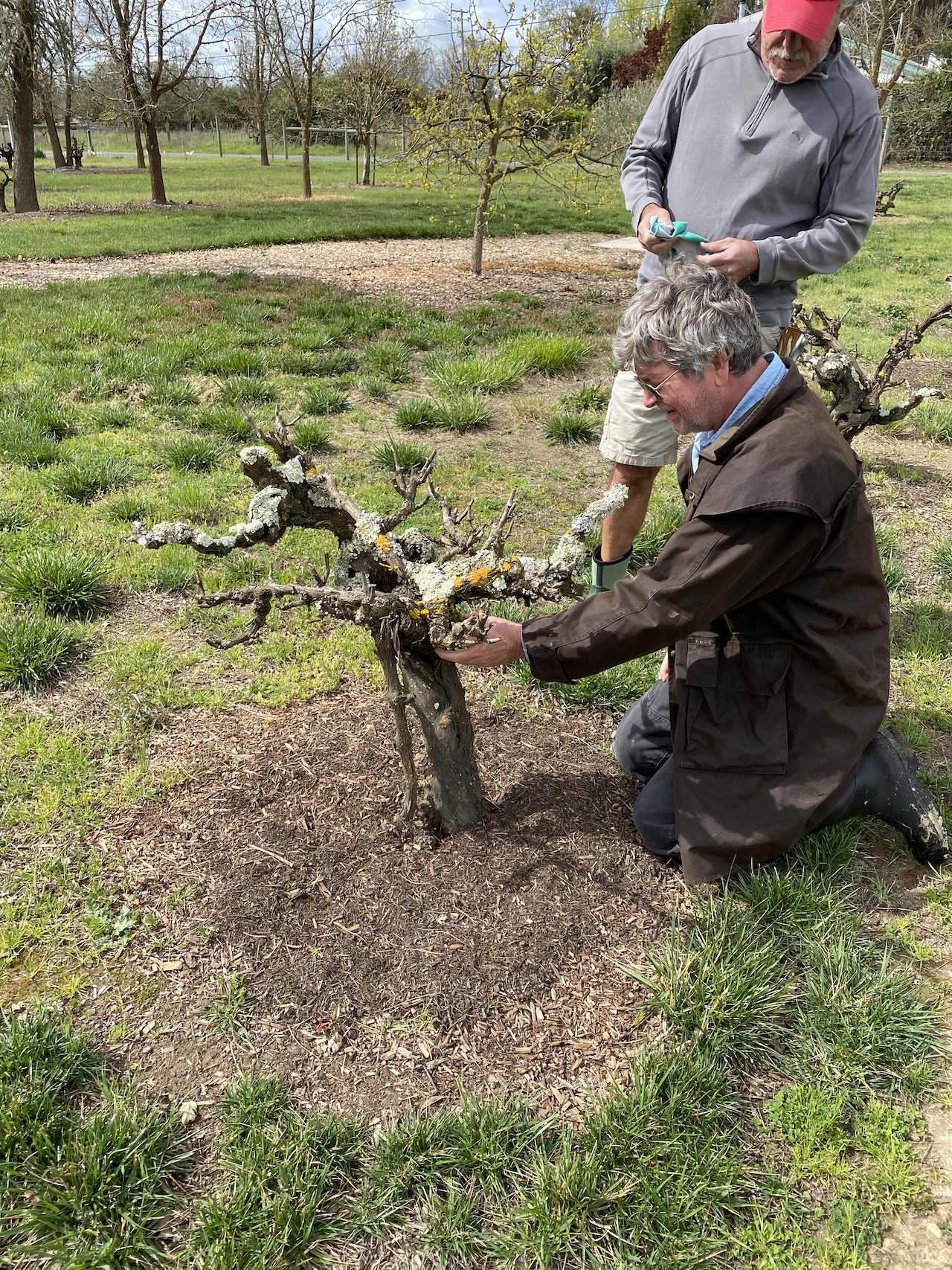
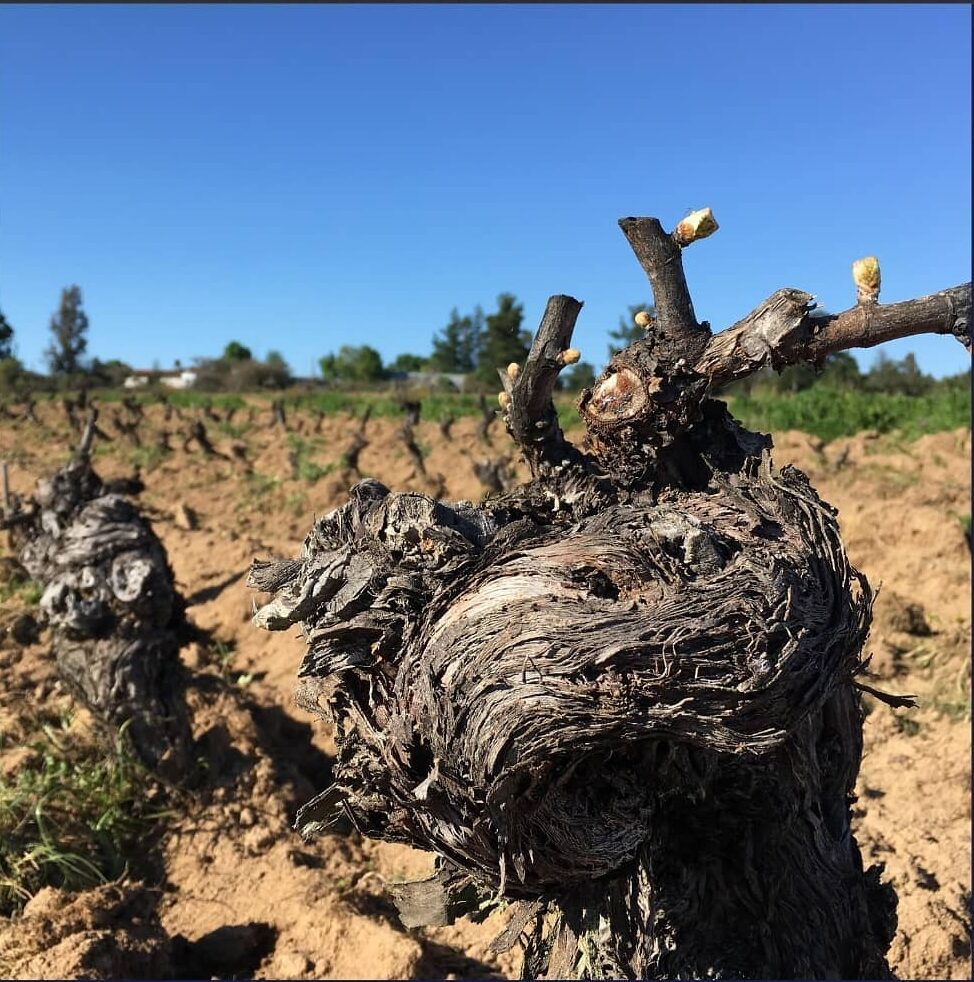
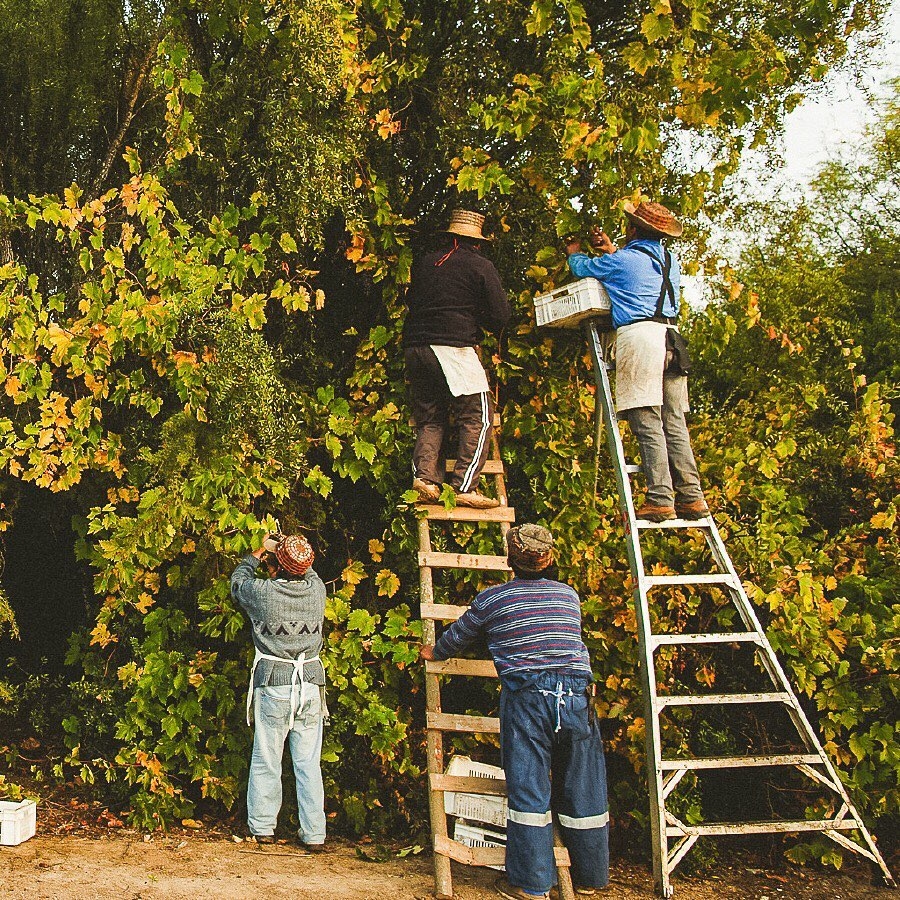
Old Carignan vines Photo Credit: VIGNO – Vignadores de Carignan

Interestingly, these tragic earthquakes in Chile would greatly influence wine grape growing as a lesser-known red grape variety started its journey in Chile after the 1939 magnitude-8.3 earthquake that took place in the southern central part of Chile, leaving tens of thousands dead, and this grape would ultimately gain a cult following after the 2010 earthquake. That grape variety’s name is Carignan.

Old-Vine Carignan

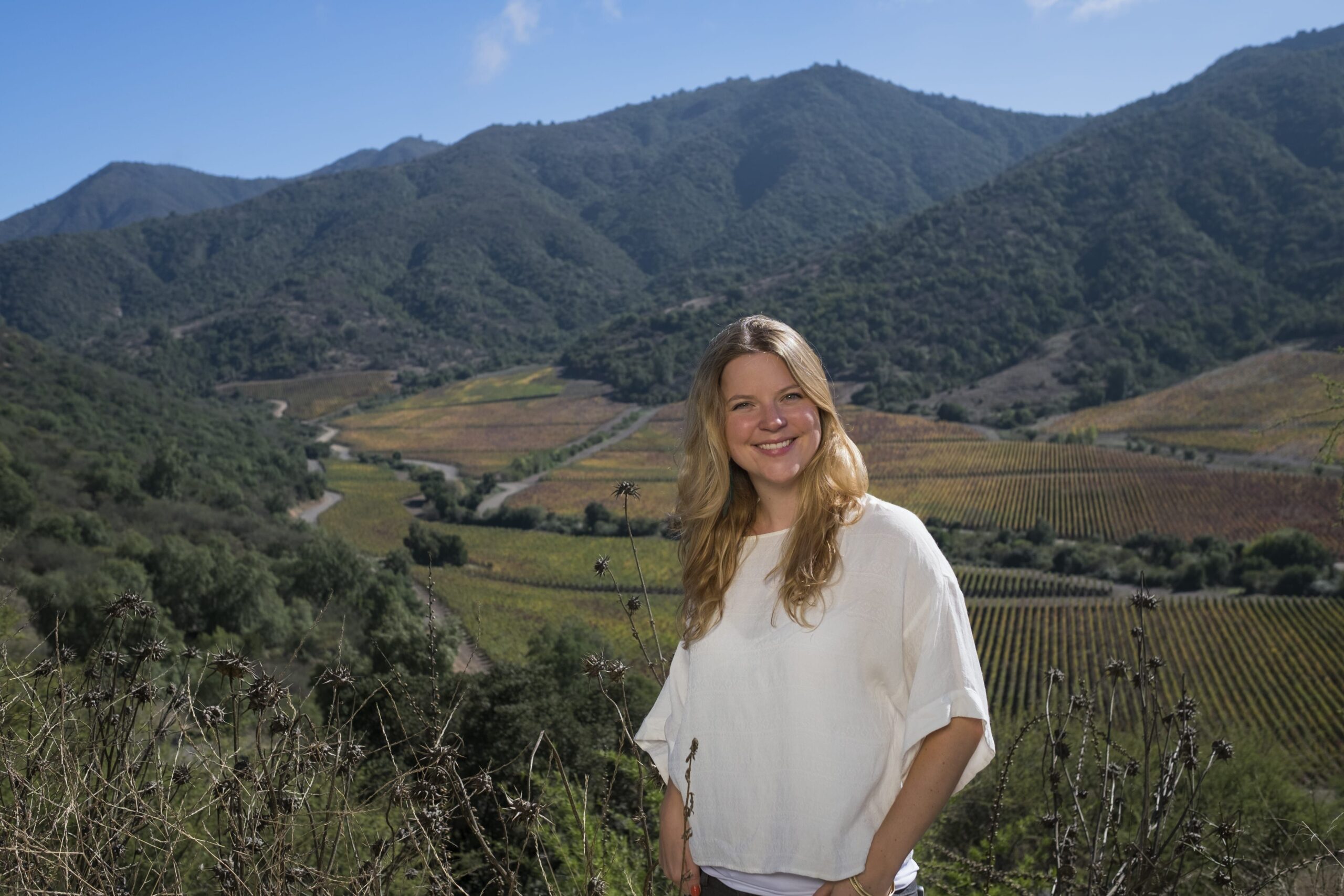
According to South American wine expert Amanda Barnes, the red grape variety Carignan was planted in decent quantities after the 1939 earthquake in south-central Chile, as many of the wineries and vineyards were damaged and the grape would ideally help to bolster their industry. Chilean wine regions such as Maule and Bío-Bío in the south-central area of this long skinny country were known for growing the red variety País, planted in the U.S. centuries ago, known as the Mission grape, which had been considered an easy-drinking red with not much backbone that many locals would drink in Chile and so it needed a blending partner with the highly structured and weighty Carignan grape variety. Unfortunately, the government didn’t realize that Carignan was susceptible to mildew, so the project to plant more Carignan was abandoned. Amanda also noted that historically the North was given a lot more investment from the government in Chile than the South, and why today, in the South, there are many elderly men still farming small, dry-farmed old vines of Carignan in Maule, the most southern wine region in the Central Valley, as there was no investment or infrastructure built to help them either with replanting or selling to a big wine company.

Amanda Barnes in Chile
Photo Credit: Matt Wilson

But Amanda, who is an award-winning British wine and travel writer who has lived in South America since 2009, states in her highly regarded The South America Wine Guide (a book that has already won as well as was nominated for a couple of prestigious awards), “Maule is the grassroots of Chilean wine” and she continues by addressing that the region was erroneously seen as only having potential for cheap, bulk wine, as the “humble farming” families of Maule were no match for the “sexy new cool-coast regions”. Simply, this area didn’t have a chance to compete with the “wealthy investors that Maipo, Aconcagua and Colchagua” attracted. And hence, these families, producing wines from dry-farmed 50-year vines and older, some reaching over 100 years old, were forced to sell their grapes for almost nothing due to their lack of “market value and status”.

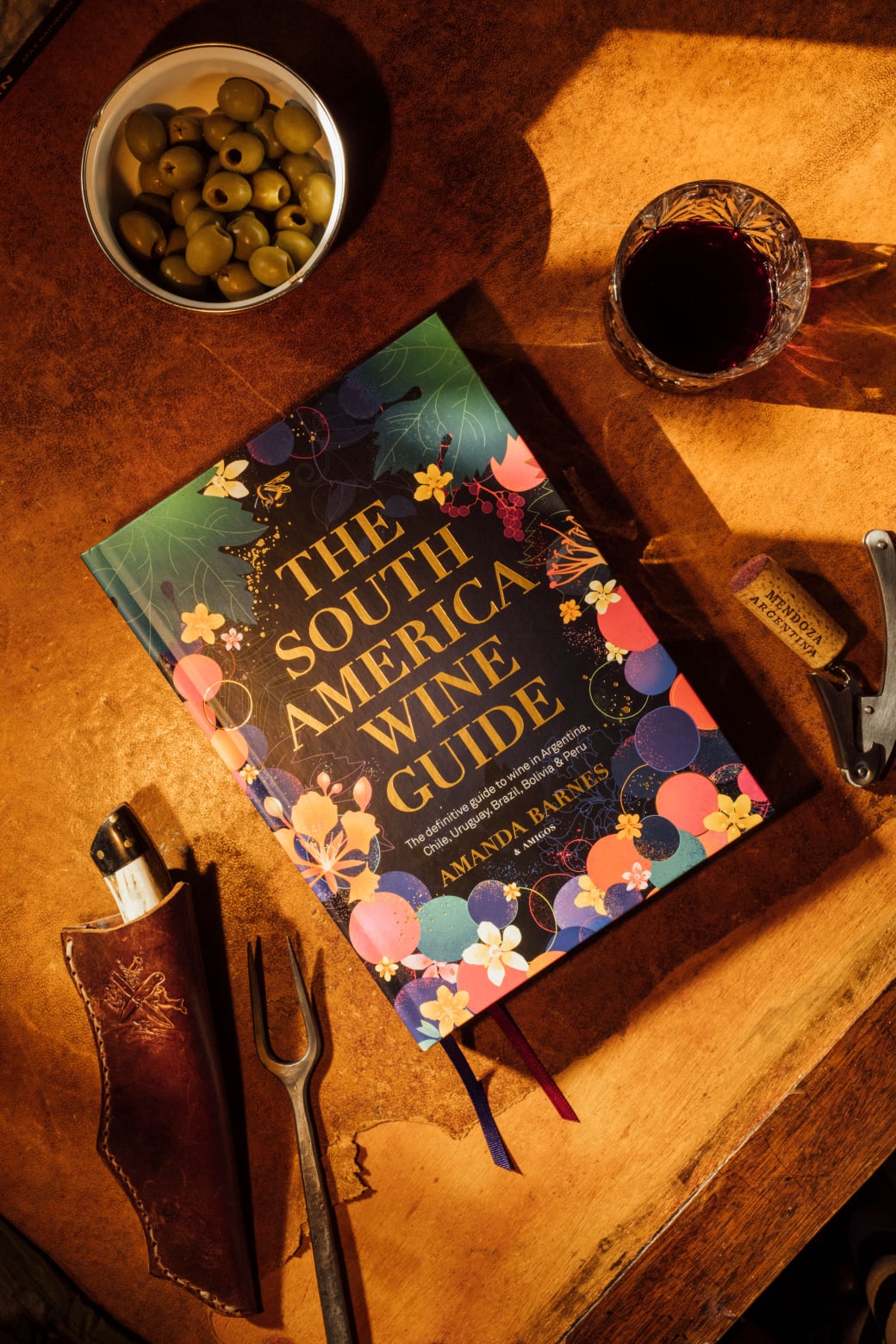
Amanda Barnes’ The South America Wine Guide
Photo Credit: Greg Funnell

But in the 1990s, a group of wine producers that included a wine journalist realized that low-yielding Carignan from these old vines could over-deliver more than anything they had tasted from the grape’s home in southern France or any place else. The stereotype of the overbearing bitterness and lack of charm that plagued Carignan was not common among these small family growers living in the “very dry and poor” Secano (translates to “rainfed”) area of Maule, and as they have learned better vineyard management, the wines have only increased in quality. These Carignan lovers formed a group that would regularly taste and discuss these wines, and since the market did not seem keen on trying them, they agreed the wines could only be appreciated by each other.

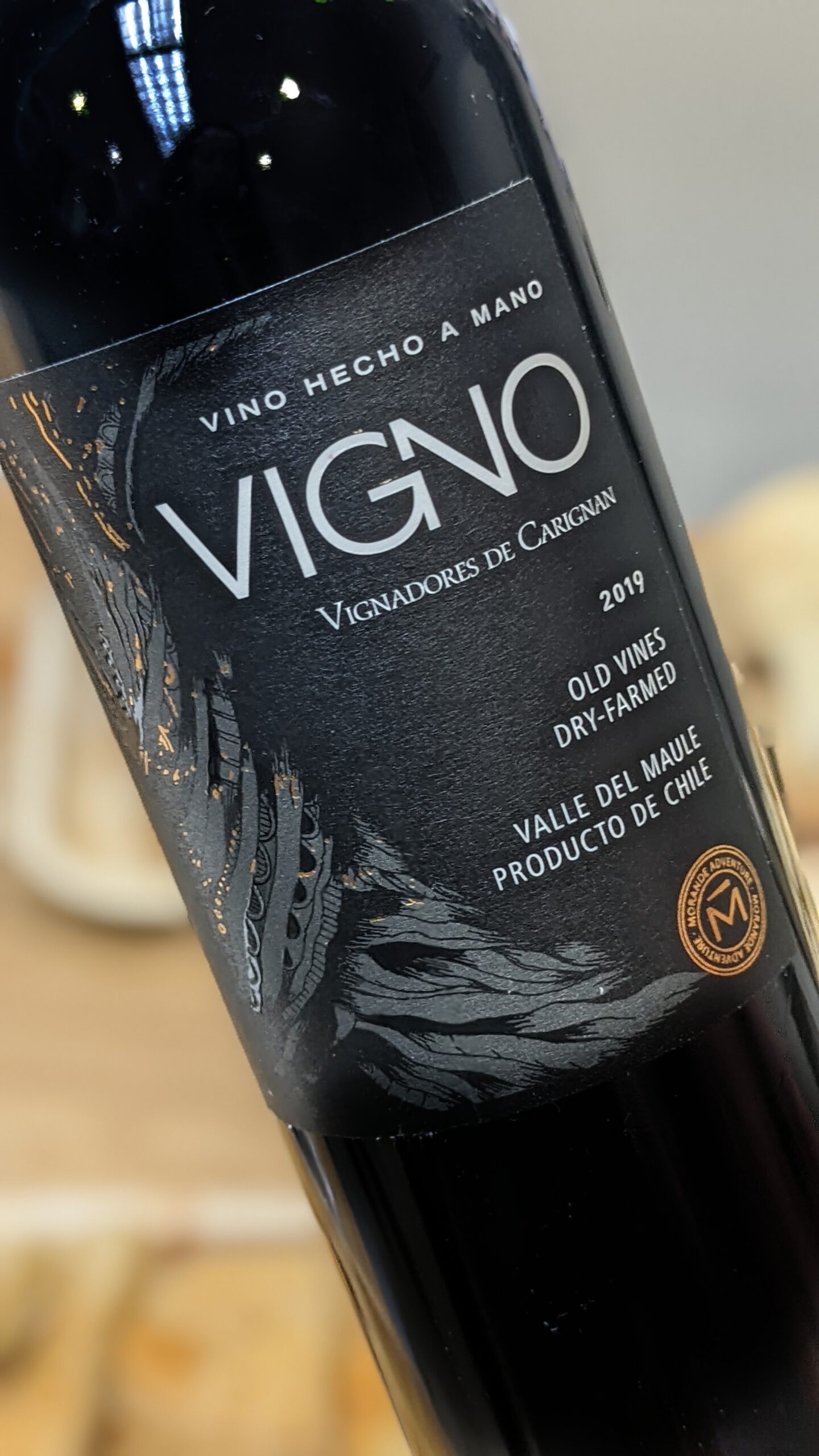
VIGNO

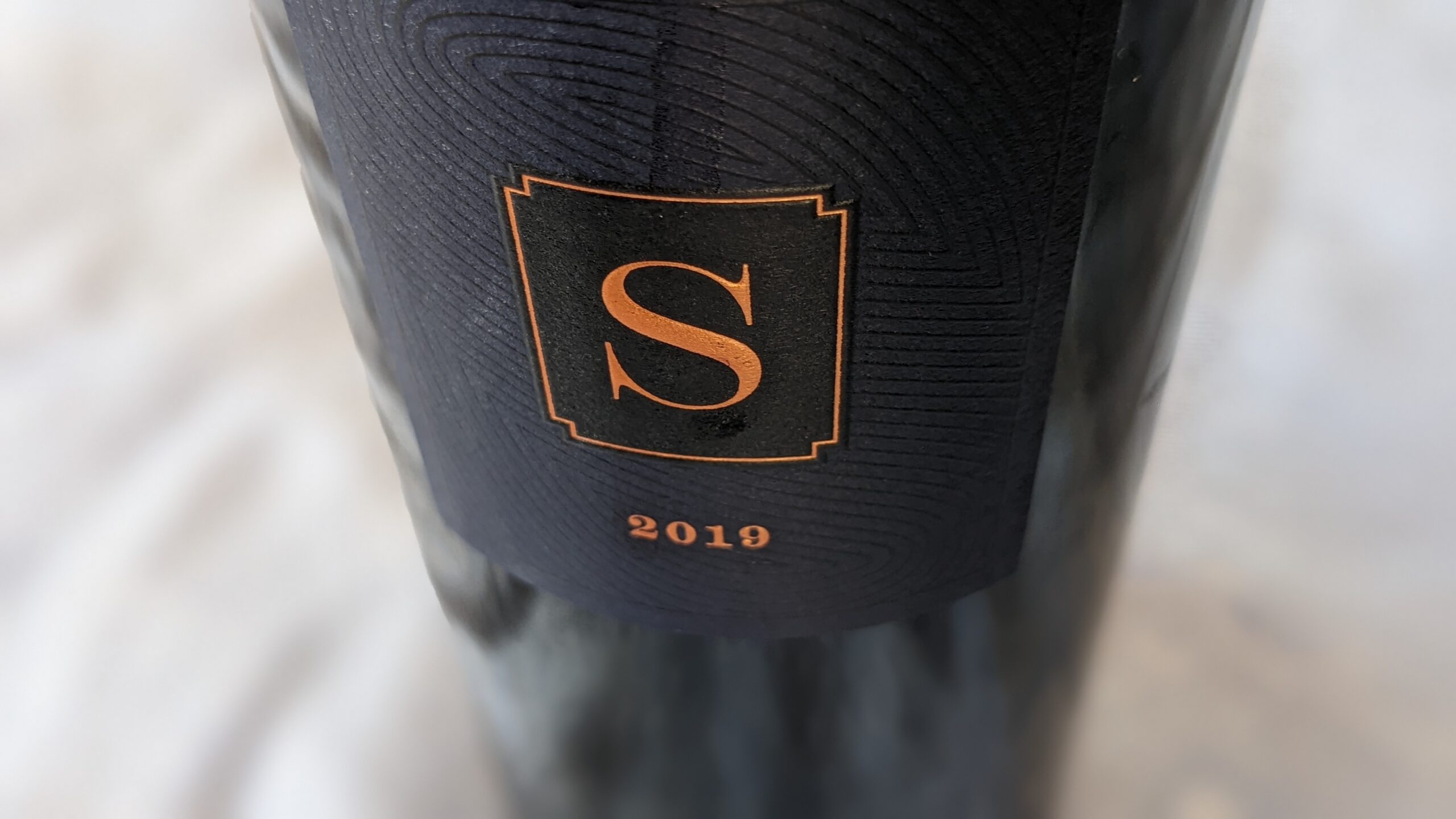
2019 Morandé VIGNO Photo Credit:
Cathrine Todd

That all changed with the 2010 earthquake that rocked the area, and the group of Carignan enthusiasts decided that the best way they could help the locals was to bring recognition to those remarkable vineyards and help raise the prices for these special vines. They formed an association called VIGNO (an acronym for Vignadores de Carignan) that would also become Chile’s first appellation in a way as it represents a designated area denoting the high quality, dry-farmed old vine Carignan vines in the Maule Secano area. 

VIGNO includes a group of 16 producers who have to abide by the following parameters to label it under the VIGNO name: sourcing grapes from dry-farmed, gobelet or bush trained vines that are at least 30 years or older located in the Maule Secano area, 70% or more of the blend must be Carignan and it must age for a minimum of two years in any vessel of the producer’s choosing. Also, the name VIGNO must be significantly bigger than the producer’s name on the label.  

Pablo Morandé is one of the producers who is part of the VIGNO group, and Amanda notes that he made his name as a “pioneer in Chile’s first cool-climate vineyard” in Casablanca back in the early ’80s. He has also made Carignan wines since the ’90s, but he said that no one was interested in the grape so he didn’t bother releasing it. Chile became known for its Cabernet Sauvignon, Merlot and eventually Carménère -people realized in the mid-90s much of the Merlot they loved was actually Carménère, as all the vines came from Bordeaux and Carménère is the lesser-known of the red Bordeaux varieties- and so if any wine drinker was going to have a Chilean wine from an atypical variety it was going to be Carménère, and that still holds true for many wine drinkers today. 

Today, Morandé makes VIGNO Carignan from vines that are at least 65 years old from one of these families that has been dry-farming bush vines for generations – the bottle retails for only $32. 

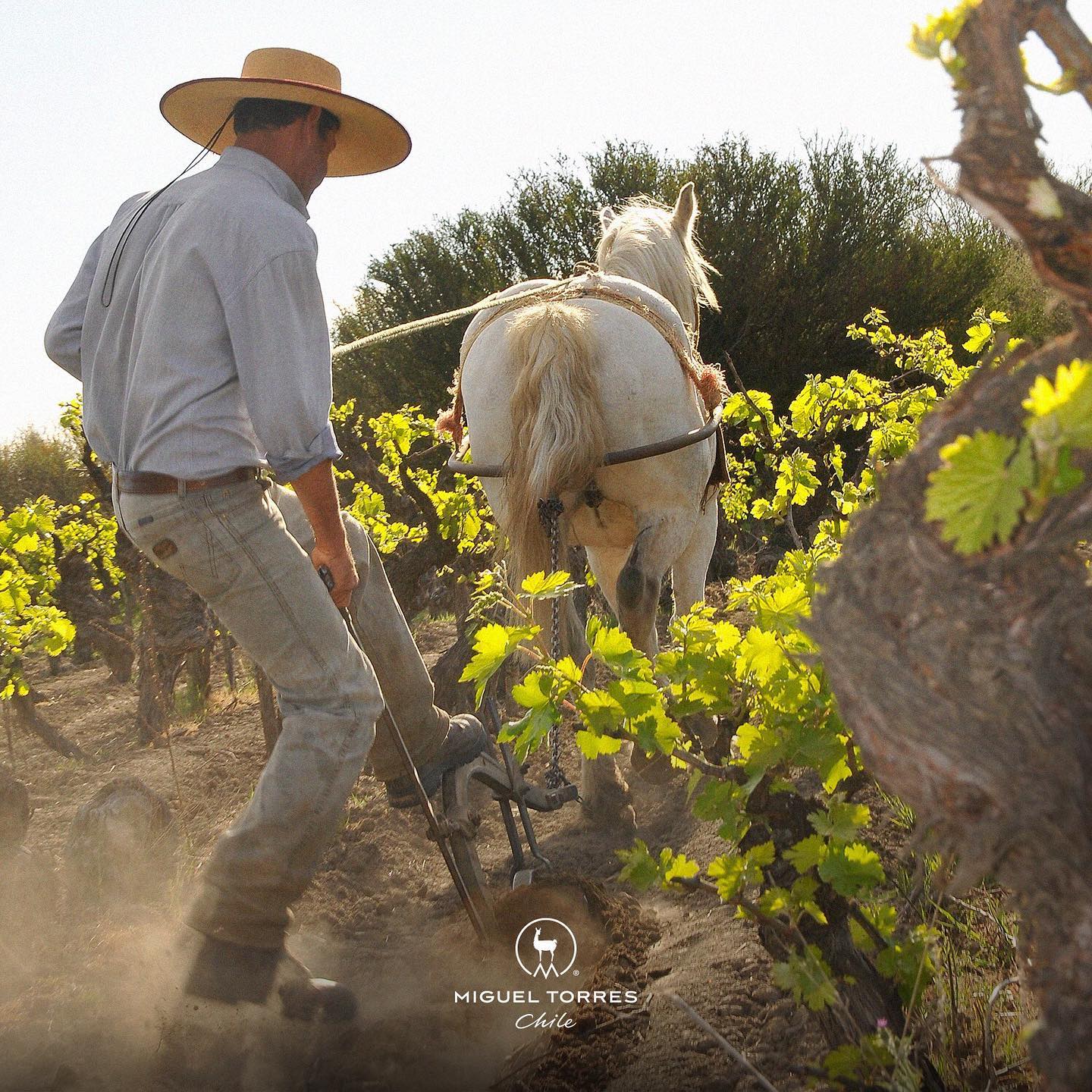
Tilling the soil at a Miguel Torres Chile vineyard Photo Credit: Miguel Torres Chile

The iconic wine producer originating in Spain, Miguel Torres, started their winery in Chile in 1979, and is part of the VIGNO group as well. Not only are they committed to promoting the old vines of Carignan, but Torres has been a big advocate of País, the local red grape originally from the Canary Islands, that previously used to make most of Chile’s homemade wines. But it was underappreciated for so long as it was made in a simple fashion, so many locals didn’t think much of it, and it took outsiders like Miguel Torres as well as others to realize the unique potential of the grapes that have vines that go up to 200 years old. 

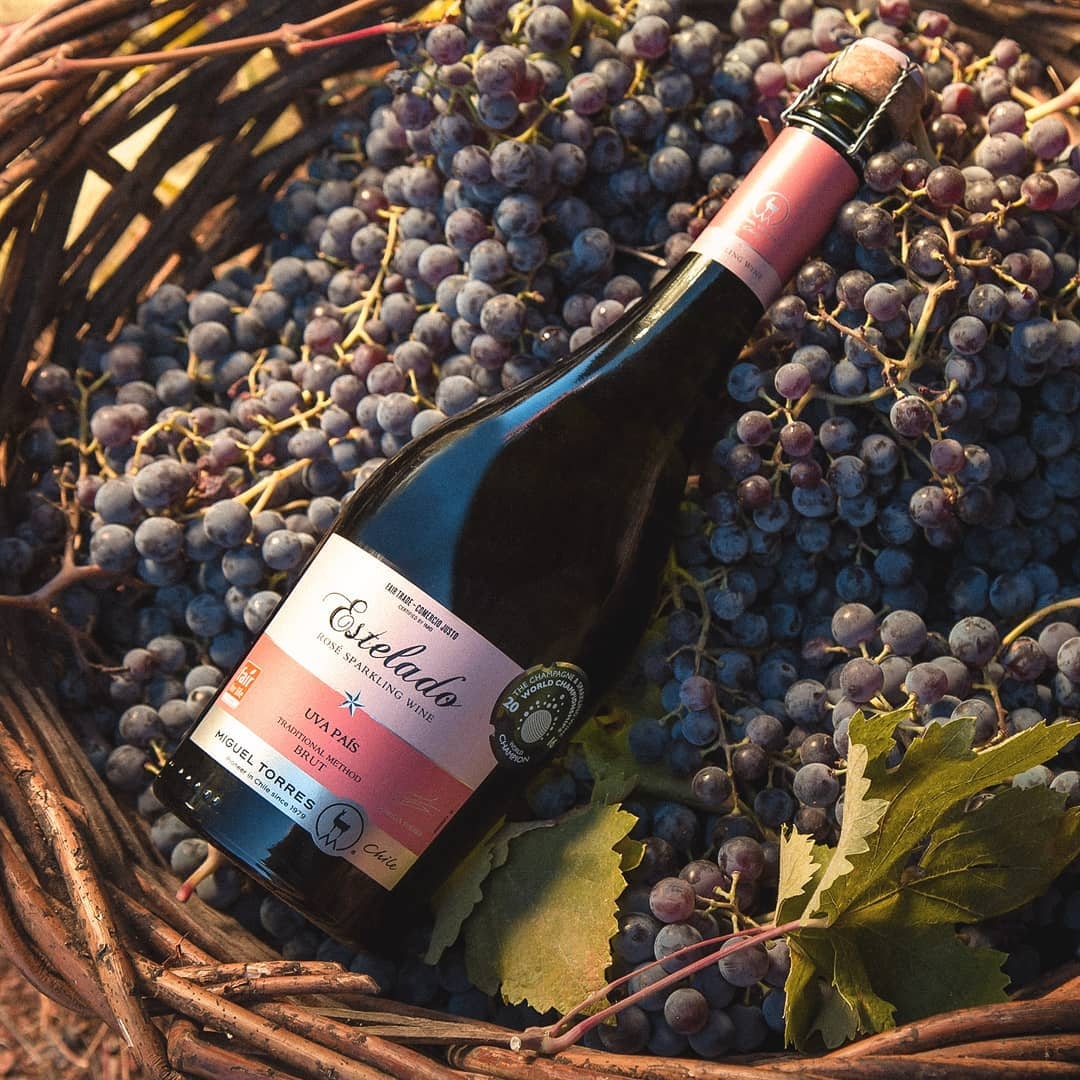
Today Torres is the largest producer of País in the world with his delicious sparkling Estelado Rosé made from 100% País that comes from vines that range from 60 to over 100 years old from the Secano Interior DO – a designated area spanning across Maule as well as more southern areas of Bio Bío and Itata. Again, the Secano Interior is known for extraordinarily old Carignan and País vines because it was an underserved area of Chile in the past. Shockingly these bubbles filled with so much history only retails for $20. But the Torres team is also making red wines out of these remarkable País vineyards.

Bouchon wild País vines
Photo Credit: Bouchon Family Wines

It is impossible to speak about VIGNO as well as País without mentioning the producer Julio Bouchon and his Bouchon wines. Not only is he currently the president of VIGNO, but Amanda Barnes spoke about his evangelizing ability to convert the wine trade and consumers around the world to love País as much as he does, and Amanda notes that his País wines are some of the “best” in Chile. One of the wines he makes called ‘País Salvaje’ – Salvaje translates into “wild” – is made from wild País vines outside of an old País vineyard near a river creek. It is believed that workers were eating País grapes, and they threw the seeds into the river and the vines just grew upwards on trees. 

The age of these vines is unknown, but there are País vines nearby that are around 200 years old. The Bouchon ‘País Salvaje’ made from these rare vines retails at a jaw-dropping $20, and it is a beautifully complex wine. 

Lessons of Catastrophic Events

Initially, it seems almost impossible for most to see the good that comes out of catastrophic events, but for those few visionaries, who are the innovators and passionate evangelists in their particular industries, the opportunities to create a better world among their communities, not letting just a tragedy happen in vain, is crystal clear. And that is precisely what each of these VIGNO members has done for the area of Maule, as well as extending other projects that reach further south.

But it was not about these wine producers giving a handout, as not only does that financially work only in the short-term, but it doesn’t do anything to help with the basic need of someone finding value in their work. And in a way, the wine industry in Chile needs these small family growers with their gnarly old vines as much as they need the industry. These growers have been a great way to appeal to some of the up-and-coming sommeliers as these wines are authentically rooted in a long tradition, they are environmentally friendly with no irrigation, based on social responsibility – as they bring more money to poor communities – and let one not forget these wines are delightfully unique and fun to drink.

Chile has been fighting the idea that their wines are just cheaper, lower-quality versions of French or California wines, because Chile introduced their wines into the global market at a low price point, and hence, the misnomer that the wines are inferior has stuck. And therefore it has been a struggle to convince serious wine drinkers that Chile has wines that are genuinely unique to them, outside the entry-level offerings or even the expensive, high-scoring Chilean wines made by top producers who benefit from a tremendous amount of financial backing.

And the answer has been tucked away in vineyards among some of the poorest of the poor – it just took an earthquake and tsunami to finally see it.

***Link to original article published on Forbes: https://www.forbes.com/sites/cathrinetodd/2022/04/21/wine-grape-growers-old-vines-in-chile-boosted-after-devastating-earthquake/

2018 Miguel Torres, ‘Estelado’ Traditional Method Sparkling Brut Rosé
Photo Credit: Miguel Torres Chile

The below wines were tasted during the masterclass held by Amanda Barnes in New York in February of 2022.

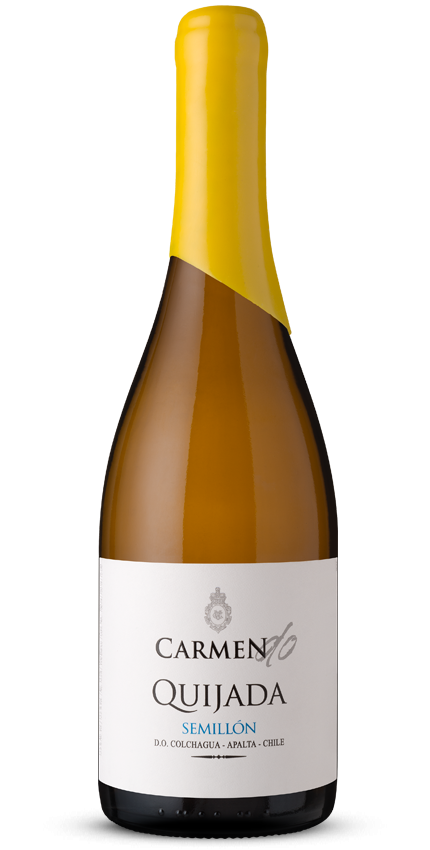
2019 Carmen DO ‘Quijada’ Semillón Photo Credit: Carmen

2018 Miguel Torres, ‘Estelado’ Traditional Method Sparkling Brut Rosé, Secano Interior, Chile: 100% País, vines ranging from 60 to over 100 years old. Aromas of stony minerality and red cherries with strawberry skins on the palate and fresh acidity with a floral finish. Miguel Torres was established in Chile in 1979, and they are considered the pioneer of the modern wine industry and have a focus on Fair Trade practices and the social impact of País.

2019 Carmen DO ‘Quijada’ Semillón, Apalta, Chile: 100% Semillón made from vines planted in 1958. These grapes may come from the more established Apalta designated wine area, but the wine is undoubtedly a special offering with old vine Semillón vines. Intoxicating nose of honeysuckle and citrus blossom with juicy peach flavors and vibrant acidity evident on the palate. Carmen is one of Chile’s oldest wineries, founded in 1850. Their DO range highlights growers and distinctive terroirs and is a winery that employs experimental winemaking techniques.

2020 Longaví’ Glup!’ Cinsault, 2020 Rogue Vine ‘Grand Itala Tinto’, 2020 J. Bouchon ‘País Salvaje’ and 2020 Viña González Bastias ‘País en Tinaja’ Photo Credit: Cathrine Todd

2020 Longaví’ Glup!’ Cinsault, Itala, Chile: 100% Cinsault from vines over 50 years old coming from the “heartland” of Cinsault in Chile – Itala. The 30% whole cluster fermentation certainly brings out the vivid bright black and red fruit yet there are also complex notes of broken earth with a lovely spiciness on the finish. Longaví was founded by Julio Bouchon and David Nieuwoudt in 2012 and started out focusing on Sauvignon Blanc, but today its focus is on old vines.

2020 Rogue Vine ‘Grand Itala Tinto’ Itata, Chile: 95% Cinsault and 5% País from vines planted in 1960. Herb-tinged red fruit that ranged from zingy cranberry to rich raspberries with a background of dried wildflowers with slightly firm tannins. Started in 2008 by Leo Erazo and Justin Decker, focusing on old bush vines in Itata that range from 70 to 150 years old with no irrigation, no rootstocks, planted in granitic rock, organic farming and low invention winemaking.

2020 J. Bouchon ‘País Salvaje’ Maule, Chile: 100% wild País vines with the age of vines unknown, although there are vines nearby that are around 200 years old. Lots of juicy, pure berry fruit with some hints of forest floor and pretty floral notes, and it is round and very inviting on the palate with tons of energy. Bouchon has been producing wines in the Maule since 1977 and has a focus on dry-farmed, old vines, a traditional family wine producer with an innovative outlook.

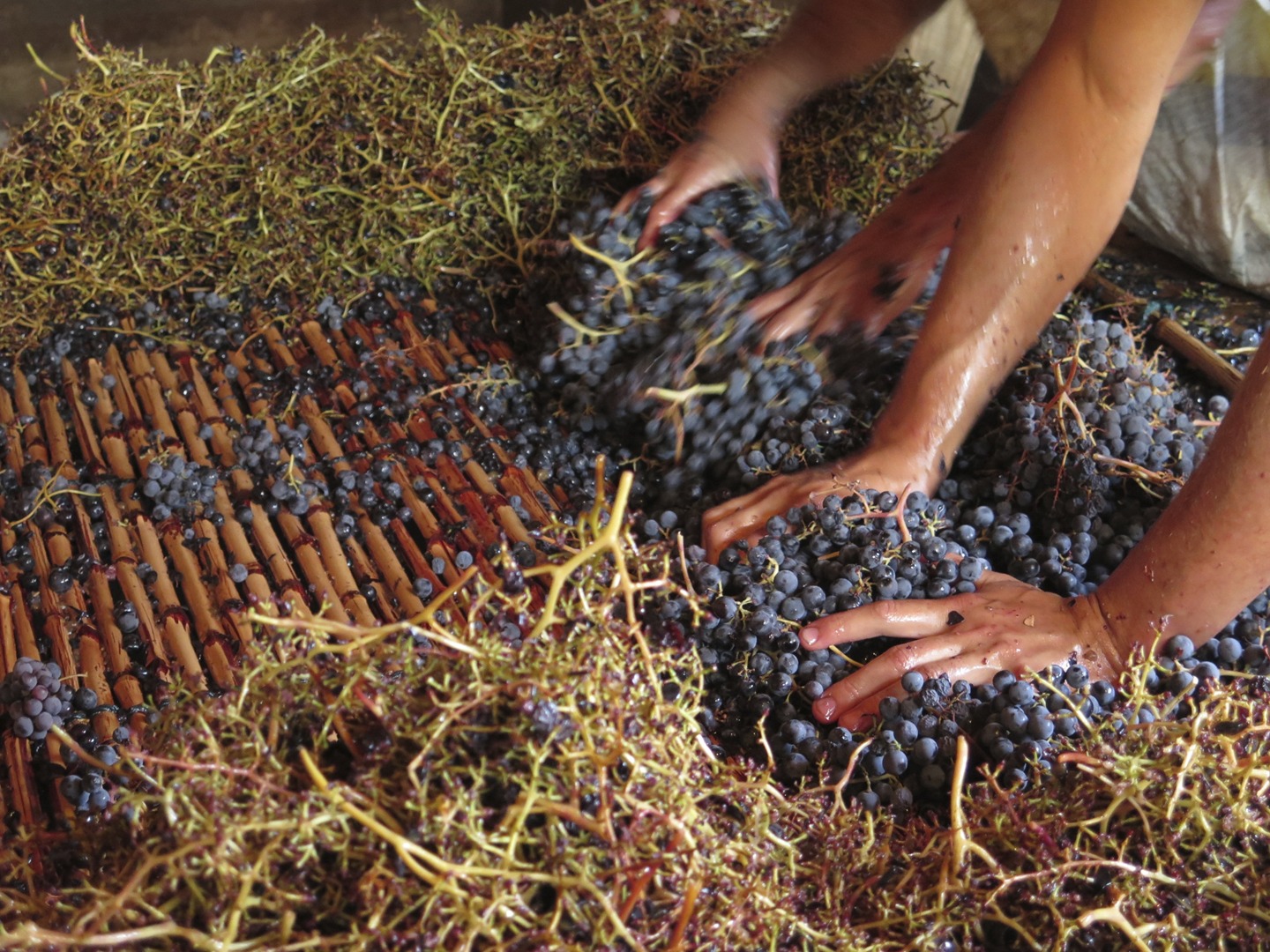
Destemming the grapes via zaranda
Photo Credit: Gonzalez Bastias

2020 Viña González Bastias ‘País en Tinaja’ Secano Interior, Chile: 100% País from vines over 200 years old. Before bottling, these grapes were destemmed via a zaranda, a traditional tool made of bamboo sticks, and matured in “tinaja”, 300-year-old terracotta amphorae. Notes of crushed flowers and pinecones with hints of dark chocolate orange peel and blueberry fruit on the palate with refreshing acidity. Viña González Bastias is a fifth-generation grower in Maule, run by Daniela and Jose Luis González Bastias, with old vines up to 200 years old. They are traditional farmers that make small production artisanal wines.

2019 De Martino ‘Old Vine Series Las Olvidadas’ Photo Credit: Cathrine Todd

2019 De Martino ‘Old Vine Series Las Olvidadas’ Mezcla Tinta, Itata, Chile: 80% País and 20% San Francisco from vines ranging from 100 to 300 years old. The grapes are put through a zaranda as well and fermented together. Sour red cherry with bay leaf and fresh blackberry with hints of rosebud and tree bark and just an overall wild character with a touch of grip but plenty of fleshy fruit to balance it out. De Martino was started in 1934, and it is now a fourth-generation producer that likes to explore exciting terroirs that focus on the Itata area and old vines.

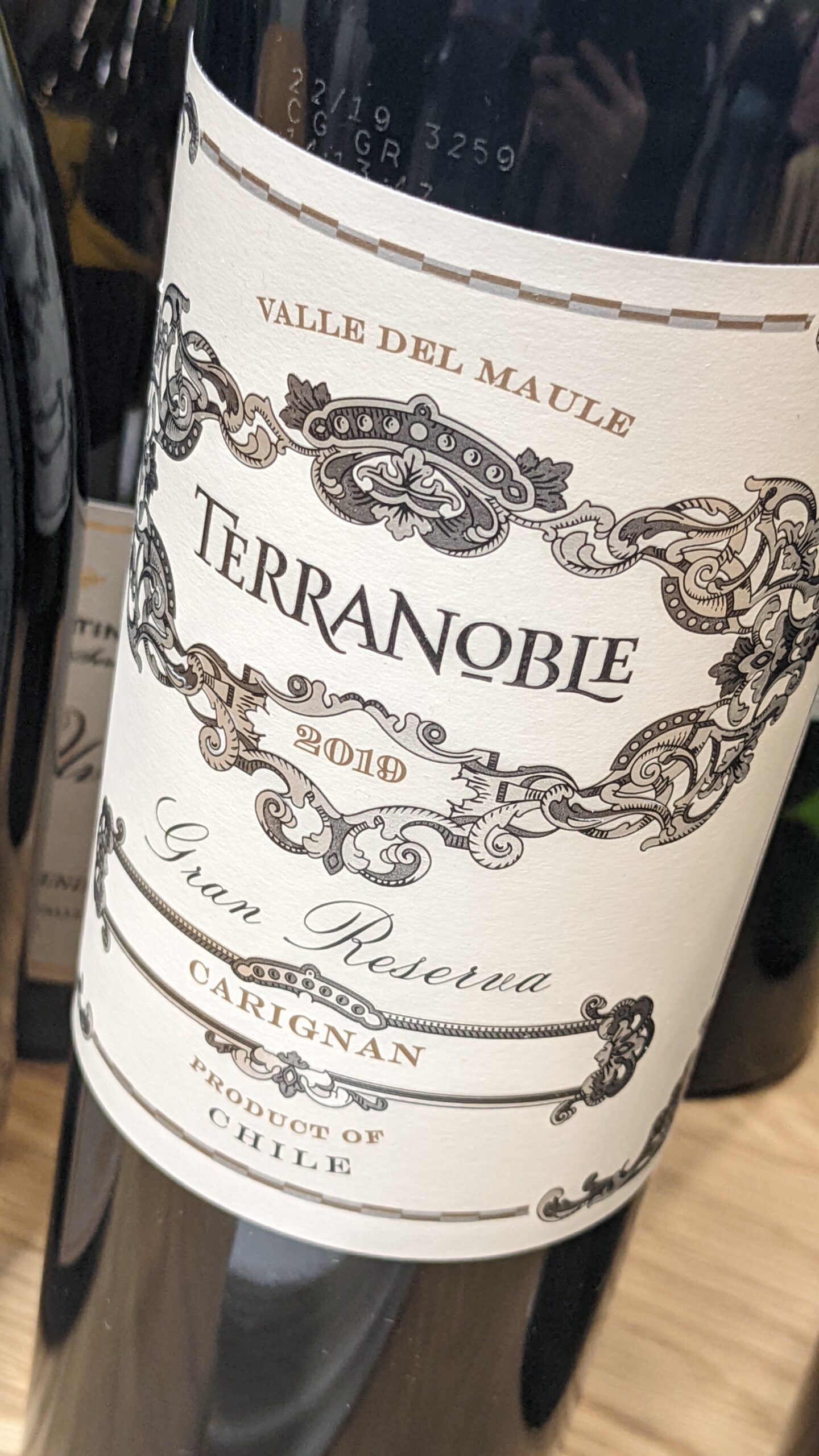
2019 TerraNoble ‘Grand Reserva’ Carignan
Photo Credit:
Cathrine Todd

2019 TerraNoble ‘Grand Reserva’ Carignan, Maule, Chile: 100% Carignan from vines that were planted in 1958. Brooding fruit and lit cigar invites one into a deeply concentrated wine with blackberry liqueur flavor and layers of complexity such as potpourri and new leather with marked acidity and structured tannins that give the concentrated fruit lift. TerraNoble was established in 1993 with its main focus being in the Maule, but they are also exploring other territories and being certified sustainable and vegan.  

2019 Morandé VIGNO Photo Credit:
Cathrine Todd

2019 Morandé VIGNO, Maule, Chile: Mostly Carignan with a small amount of Syrah and Chardonnay from a field blend over 65 years old. If one wants to experience the charm of Carignan, this is certainly a great wine to try with enchanting blueberry and blackberry fruit that expresses itself with ideal ripeness with soft acidity and hints of crushed granite and turmeric powder along the silky tannins with an overall elegance. Morandé was founded in 1996 by highly-respected winemaker Pablo Morandé. This wine is part of their ‘Aventuras’ line, representing their small production of experimental wines from their Aventuras winery that houses such fun vessels as cement eggs, ceramic tanks and amphorae, and much more.

Posted in Dame Wine | 1 Comment

Napa Cabernet Sauvignon Wine Made From A Multi-Vintage Blend

Cabernet Sauvignon vine in one of Tom Gamble's vineyards  Photo Credit: Gamble Family Vineyards
Cabernet Sauvignon vine in Gamble’s vineyard
Photo Credit: Gamble Family Vineyards

As the glow from the sun lit up the vine leaves with a heavenly golden color, a constant soft sound of grape bunches hitting the soil could be heard. It was a few weeks before harvest time in Napa Valley, and the all-important process of “green harvesting” was taking place at the beginning of the grape ripening process – known as veraison to grape growers. It is a common practice among many top vineyards around the world that helps to concentrate the remaining grapes as it tricks the vines into thinking that they have a lot more grapes to ripen, hence, giving a big push of energy to significantly fewer grapes.

Such a practice, even for the world’s most iconic wine regions, would be unthinkable just two generations ago but over the past two decades it has become mandatory if one is selling ultra-premium wine as it helps to concentrate the grapes resulting in a wine with incredible aromas, flavors and overall density. But it had always bothered the farmer’s spirit that lives within Tom Gamble, as it looks like an abundance of waste.

Gamble Family Vineyards 

Tom Gamble  Photo Credit Gamble Family Vineyards
Tom Gamble
Photo Credit:
Gamble Family Vineyards

Tom is a third-generation Napa farmer, and it is remarkable to think that his grandfather at one time owned 20,000 acres in the valley. If Tom owned that amount today, it would be the equivalent of winning the lottery but back then his grandfather was considered land poor as much of the land that his grandfather bought in the 1920s and 1930s wasn’t worth much at the time. Tom is the first grape grower and wine producer of his family as his grandfather grew various grains, walnuts and tomatoes as opposed to wine grapes and through time found himself on the brink of ruin a few times when he had a bad crop, or when a particular product he grew didn’t sell well.

Unfortunately, Tom’s grandfather did not think of estate planning and so when Tom’s father and uncle dropped out of school to try to save the property when his grandfather went blind, they were shocked to find out a decade later when he passed away, in the 1970s, that they owed an enormous amount of tax money that was far beyond the income of their farm. And so some property had to be sold off, yet they were smart enough to lease out the land they continued to own to a large and successful wine producer who still, to this day, leases that land and it puts a “financial underpinning” under the family. As one can imagine, neither Tom’s father nor uncle wanted anything to do with farming, and that included wine; they just wanted to bring in enough money so each could follow his own dream and avoid the potential of tearing the family apart by choosing to not go into the wine business together. Tom noted that many wine families have been “messed up” because of silly arguments such as not agreeing on the grape variety to plant.

Tom chuckled as he talked about “receiving the recessive gene trait” of wanting to be a farmer yet he was crazy enough to take it to the next level of planting and managing vineyards. But perhaps that is not so shocking considering that there was some curiosity by his grandfather who planted two acres of Petite Sirah during World War II – although Prohibition squashed any wine dreams he might have had at the time. And so he went to the renowned U.C. Davis to study agronomy, winemaking and take an array of other classes such as studying ancient civilizations as he is a man who likes to philosophize about life as much as making jokes at his own expense. But he gained a reputation for high-quality Cabernet Sauvignon vineyards and sells his grapes for a premium as he goes to great lengths to grow outstanding fruit. Before “regenerative agriculture” became such a hot topic, Tom employed such practices that reverse climate change by rebuilding soil’s organic matter and restoring soil biodiversity.

And even though Tom has carved out a name for his ultra-premium Cabernet Sauvignon grapes, he also has had a deep love for Sauvignon Blanc and he has collected seven different clones of this variety, keeping the biodiversity of plant material alive and well, going to great lengths to obtain such clones. The Preston clone of Sauvignon Blanc is a suitcase clone brought back from Bordeaux sometime in the late 50s to early 60s by a “true bohemian” named Lou Preston, who allowed others to take cuttings from his vineyard in Dry Creek Valley. The Preston clone found its way into Peter Michael’s L’Après-Midi, which Tom was a fan of from its inception, but unfortunately, Lou’s vineyard was ravaged by virus and so Tom couldn’t get cuttings from the source. Yet when he heard about a vineyard in Oakville, Napa, planted with Lou Preston’s clone, that was going to be ripped out due to a new owner wanting to plant Cabernet Sauvignon instead, Tom showed up to the site days before the bulldozers came and took cuttings to grow in his own vineyard in Yountville, Napa, in 1998.

Today, Tom says that universities such as U.C. Davis and Cornell can grow plants from tissue that is smaller than a virus, and hence, they can grow healthy vines from virus clones as the virus cannot affect the new plant.

Gamble Family Vineyards winery
Photo Credit: Gamble Family Vineyards

But eventually, Tom was drawn to make wine himself and he established Gamble Family Vineyards, releasing his own bottling with the 2005 vintage only having one winemaker since that time. It is not the most “practical” approach, especially when someone doesn’t own another business in a much more profitable industry that can support a Napa winery, but Tom joked that he has only been practical a couple of times in his life as his passion supersedes logic at times. Although known for his Cabernet Sauvignon vineyards, he charges more than the average price for his Sauvignon Blanc grapes which are ultra-premium grapes in their own right and he has had longtime relationships with wineries who were happy to pay the price even if others balked at the cost in the past as it was not a valued grape variety at one time. Ironically, Napa Valley Sauvignon Blanc has become very popular in recent times and he now finds a lot more wine producers trying to purchase his grapes.

Tom still sells most of his grapes from his 175-acre estate, spread across such lauded Napa sub-regions as Oakville, Mt. Veeder, Rutherford and Yountville and he keeps his own wine production small. Yet that farmer in him could not help but want to take his winemaking ventures to a new and challenging direction, a multi-vintage Cabernet Sauvignon Napa Valley wine.

Napa Cabernet Sauvignon Multi-Vintage

The Mill Keeper, Cabernet Sauvignon MV
Photo Credit:
Cathrine Todd

Tom Gamble has always been very forward-looking as over a decade ago, he was a part of drafting important California sustainable programs such as Fish Friendly Farming and Napa Green programs and he is currently going through the process of becoming Regenerative Organic certified. But when he sees the waste that green harvesting causes, all those grapes bunches lopped off and thrown away, he feels that there has to be a better way, especially considering if he wants to make wines that appeal to the next generation of wine drinkers who he deems as being “passionate” about their values and incredibly “thoughtful” about saving the planet. 

And so, in 2021, Tom founded The Mill Keeper, and as France has inspired him for much of the wines he makes as well as where he plants each variety, Tom is now inspired by Champagne, where they blend vintages to create consistency from grapes that are picked at lower ripeness levels, and hence, the creation of the Multi-Vintage (MV) Napa Cabernet Sauvignon, as he prefers MV over Non-Vintage (NV) as NV doesn’t bring focus to each story of the different vintages. The name is a tribute to Napa’s first mill keepers who were able to transform nature’s raw material with “work, determination, and skill” into a “dependable, approachable finished product.” 

Photo of Tom Gamble on label
Photo Credit: Cathrine Todd

He takes those grape bunches that are cut off during green harvest, at lower ripeness levels than average, and he found a large commercial winery that can separate the juice and good stuff from the seeds and green skins immediately, so it is then brought back to his winery where they ferment the wine without using any oak barrels, and it ends up being a fresh, delicious and lively wine made from top Napa Cabernet Sauvignon grapes, that would have just been thrown out, that retails at $35; blending vintages helps to bring more consistency to these grapes as some vintages are hotter than others. It is a great way to get young people into drinking Napa but most importantly, it is about Tom taking the next step at taking a hard look at his own life, even if he has lived an environmentally conscious life, and finding where he can do more in preventing catastrophe for the future.

“We are coming to the practical limits and the political limits of developing new vineyards in Napa, and no one wants to see a forest cut down for another vanity project,” exclaimed Tom. 

And it becomes clear that even in a world like Napa, where a grape grower’s and wine producer’s costs are through the roof with excessive taxes, as well as being an employer who pays living wages in an area where living has become extremely expensive, a farmer can find another way to stop the madness of destroying Mother Nature. And not just any farmer but one who, as a small child, would run out every morning and talk to the trees, giving them each their own name. “I have been a tree-hugger for a long time,” Tom said as he explained why he placed a photo of himself as a child with a tree in the background on his Gamble Family Vineyards wine label. 

And the wine world could certainly use more innovators who still have that little child alive in him, still seeing the wonderment all around him each time he walks the vineyards.

***This article was originally published on Forbes: https://www.forbes.com/sites/cathrinetodd/2022/04/07/napa-cabernet-sauvignon-wine-made-from-a-multi-vintage-blend/

The Mill Keeper, Cabernet Sauvignon MV Photo Credit: Cathrine Todd

The Gamble Family Vineyards wines use native yeasts and Tom says he has never had an issue with weird ferments as he has a wide range of native yeasts that flourish in his vineyards since he has consistently implemented sustainable practices that encourage biodiversity.

The Mill Keeper

The Mill Keeper by Gamble Family Vineyards, Cabernet Sauvignon MV (Multi-Vintage), Yountville, Napa Valley: Cabernet Sauvignon from 2018 and 2019 vintages. A lovely juiciness to this wine with hints of ripe plums, cinnamon stick and crushed rocks with silky tannins and bright acidity with no indication of any green notes.

Tom Gamble didn’t make any red wine in 2020 because of the fires, so there are only 2018 and 2019 vintages in the MV wine. It has been a lot of trial and error for him to try to figure out how to make delicious wine from grapes with low ripeness levels, so he only has two vintages for now. If this project is successful, he would love to eventually blend around five vintages into The Mill Keeper, bringing more complexity to the wines. They also make The Mill Keeper Multi-Vintage Chardonnay.

2020 Gamble Family Vineyards, Sauvignon Blanc Photo Credit: Cathrine Todd

Gamble Family Vineyards

2020 Gamble Family Vineyards, Sauvignon Blanc, Yountville, Napa Valley: 100% Sauvignon Blanc made from four different clones. Mixture of exotic fruit like mango and stone fruits such as nectarine with hints of stony minerality and zingy lemon confit on the finish.

2017 Gamble Family Vineyards Heart Block Photo Credit: Cathrine Todd

2017 Gamble Family Vineyards “Heart Block” Yountville, Napa Valley: 100% Sauvignon Blanc from two clones in the heart of the vineyard that Tom thought was like those Sauvignon Blanc vineyards in Bordeaux which he loves so much. Honeycomb and toasted spices on the nose with complex layers of quince paste, grapefruit rind, dried chamomile and wet stones with a touch of creaminess mid-palate, a wine with multifaceted flavors and textures. Tom wanted to show how well great Sauvignon Blanc can age and says that he finds that this wine is in its ideal place around eight years old.

2018 Gamble Family Vineyards, Cabernet Sauvignon, Napa Valley: 80% Cabernet Sauvignon, 7% Petit Verdot, 5% Merlot, 5% Cabernet Franc and 3% Malbec. Dusty earth notes balanced by rich cassis flavors with hints of fresh tobacco and espresso taking it to the next level of deliciousness that has finely structured tannins with some grip along the focused finish.

2016 Gamble Family Vineyards Paramount Photo Credit Cathrine Todd
2016 Gamble Family Vineyards “Paramount”
Photo Credit: Cathrine Todd

2016 Gamble Family Vineyards “Paramount” Napa Valley: 31% Cabernet Sauvignon, 31% Cabernet Franc, 30% Merlot and 8% Petit Verdot. All the varieties in this wine are balanced so well with multi-layered fruit characters that range from freshly picked blueberries to raspberry liqueur that is further highlighted by fresh coffee grounds, cocoa powder and dried herbs with silky tannins and sweet spice on the finish.

2016 Gamble Family Vineyards Family Home Photo Credit Cathrine Todd
2016 Gamble Family Vineyards “Family Home”
Photo Credit: Cathrine Todd

2016 Gamble Family Vineyards “Family Home” Napa Valley: 100% Cabernet Sauvignon from a single vineyard in Oakville on a rocky knoll-top that creates a high-stress environment for the vines producing more concentrated fruit. Enticing smoky black tea aromas such as Lapsang Souchong with ripe red cherries and hints of wildflowers with lush flavors on the palate and blackcurrant preserves intermixed with complex notes of cigar box and gravelly earth.

Posted in Dame Wine | Tagged , , , , | 1 Comment

French Wine Producer And Explorer Of Antarctica Studying Terroir Of The Ocean

Twisted and squeezed by the force of the rapids in the river, the hand crafted canoe took on a banana shape as food and a rifle fell out into the swiftly moving river as the two 18-year-old young men paddling the vessel were grabbed by the current that carried them against their will 1,000 feet away to shore. Still fiercely determined to continue their seemingly crazy journey along the desolate trail beginning from the indigenous village of Schefferville in the North East section of the Canadian province of Quebec to the even further north indigenous area of Kangiqsualujjuaq to meet the Inuit people, the young men went back upstream, jumping in the freezing cold water to find their supplies. Nothing could be found and hence they were left with a big decision to make that would forever shape their lives.

This mission involved a total of four French young men who had the opportunity to meet a French explorer named Alain Rastoin in the early 1980s, who they saw on the TV show Les Carnets de L’Aventure; they were fascinated with his attempted journey to reach Kangiqsualujjuaq, known as Port Nouveau Québec in French. The last part of the trip that would take two months of travel time had a tragic turn for Alain Rastoin as a rapid with huge waves flipped their canoe, and his photographer, who was accompanying him, died. He never finished the trip and these young men told him they would finish the journey for him. “You are all mad,” exclaimed Alain to the young men and he warned them that they had no idea of the treacherous terrain that awaited them.

A few years later, these young men attempted the unsuccessful final segment of Alain’s journey and the accident among the rapids left them only one tent, half the amount of intended food, no rifle to hunt with and only one canoe but they decided to continue and hike the rest of the way instead of going back to safety. Unfortunately, they couldn’t find the fishing camp drawn on a map for them by Alain Rastoin himself, and so eventually stranded with no food, they climbed up a hill where hopefully they could signal one of the aircrafts that passed monthly along the path to supply the Kangiqsualujjuaq village. They could have just missed the monthly aircraft, or maybe they were located where they were still not visible but that didn’t stop them from making fires day and night that might be noticed from the sky.

An overwhelming wave of guilt washed over one of the young men, Albéric Bichot, as he regretted all the decisions that led him to possibly die of starvation or hypothermia while his parents were back in France with no idea of his fate. Why didn’t he heed Alain’s warning? Why didn’t he at least turn back when the canoe accident happened? Over and over again, he replayed these moments in his mind wishing that he could relive them. As he imagined the tremendous amount of lifelong pain his unexpected death would cause his parents, he begged the universe at that moment for a miracle, and if the miracle came, he swore he would never come back to that part of the world again.

Albéric Bichot in Antarctica
Photo Credit: ©Marin LE ROUX
– Tara Ocean Foundation

Luckily, a helicopter noticed them as it was part of a mining exploration that had been in the area for four months. Albéric Bichot went back home completely traumatized from the experience while one of his friends, Nicolas Vanier, stayed and Nicolas would become a famous French explorer, writer and film director.

But despite the fear, something was awakened in Albéric during that journey and a few years later he found himself taking on the same journey and successfully accomplishing the mission the second time around as well as traveling to remote areas of Polynesia and finally making a trip from Quebec to Ushuaïa, the southernmost tip of Argentina, with only the equivalent of $1,000 in his pocket.

Burgundy Wine Estates 

Horse ploughing at Albert Bichot’s Château Gris Photo Credit: Flore Deronzier

To his family’s relief, Albéric joined his family’s business in 1996, Domaines Albert Bichot, which today owns six estates, a.k.a. domaines, ranging from Burgundy’s north, Chablis, down to Beaujolais just south of Burgundy – five in Burgundy and one in Beaujolais. The Bichot family traces their roots in Burgundy as far back as the mid-1300s and Albéric certainly takes the idea of devotion to sense of place to the next level as he believes that each area of vineyards should have its own dedicated team that lives and breathes those vineyards every day.

Having “small passionate and fully dedicated teams” at each location is critical in preserving the “typicity of each vineyard,” Albéric explained.

Domaines Albert Bichot and Tara Ocean Partnership 

Recently, Albéric has taken on a major project that combines his love for the exploration of the ocean, as well as the land, with the Tara Ocean Foundation. The foundation had a sailing ship (schooner) leave for a 43,000-mile journey in December 2020 that is currently studying the invisible marine microorganisms in the ocean. Since there is a partnership between Domaines Albert Bichot and the Tara Ocean Foundation, Albéric was able to join the crew for ten days in December of 2021 that included the section from the South Atlantic to Antarctica.

Tara Ocean Foundation sailing ship (schooner) in Antarctica
Photo Credit: ©Marin LE ROUX
– Tara Ocean Foundation

Albéric, who has been committed to organic viticulture since the early 2000s, has taken a serious interest in how climate change is melting icebergs that will not only change entire ecosystems but could potentially release a significant amount of CO2 trapped within the soils underneath their several layers of packed ice. He notes that Burgundy has evident climate change, with more erratic climatic events increasing every year.

One of the studies that Domaines Albert Bichot is conducting with the foundation directly links to their wines as 12 magnums of wine, representing six ideal expressions of their top vineyard from each estate, is currently evolving among the powerful influences of such a journey while other magnums of the same wine rest peacefully in their historical wine cellar in Beaune, Burgundy in France. When the ship returns in October of 2022, a unique comparative tasting will occur.

As Albéric looks back at that moment when he thought that he would die a brutal, slow death in a desolate place all those years ago, he knows that it forever changed him. At first, he thought the trauma would force him to live a life of fear, never seeking out adventure again, but he could not immediately comprehend that it unlocked something deep inside that gave him the strength to overcome such a terrifying event.

The gift of experiencing how fragile life can be, at only 18 years old, has made him determined to make his life matter. Bringing attention to the concerning changes in Antarctica, by using resources from Domaines Albert Bichot, will hopefully open more eyes to the worrying distress signals Mother Nature is giving in the most remote areas of the world.

Even when all hope should have been lost all those years ago, Albéric and his friends found a way to go on, and he is taking that same fierce perseverance to find a way to save the planet even when others are saying all is lost.

***This article was originally published on Forbes: https://www.forbes.com/sites/cathrinetodd/2022/03/26/french-wine-producer-and-explorer-of-the-antarctica-studying-terroir-of-the-ocean/

2020 Horizon de Bichot Pinot Noir
Photo Credit: Cathrine Todd

As of the 2018 vintage, Domaines Albert Bichot wines from the Côte d’Or (Domaine du Clos Frantin, Château Gris and Domaine du Pavillon) as well as their Côte Chalonnaise property (Domaine Adélie) are all certified organic. The name Adélie comes from the territory Adélie Land (Adélie Terre) on the continent of Antarctica. Albéric not only named his property in Chalonnaise after it when he purchased it in 2005 but he also named his oldest daughter Adélie.

NV Albert Bichot, Crémant de Bourgogne Brut Réserve Photo Credit: Cathrine Todd

NV Albert Bichot, Crémant de Bourgogne Brut Réserve, Burgundy, France: 60% Chardonnay and 40% Pinot Noir. A traditional sparkling wine with notes of croissants and white flowers that has tiny bubbles on the palate with a stony minerality on the sustained finish.

NV Albert Bichot, Crémant de Bourgogne Brut Rosé, Burgundy, France: 80% Pinot Noir and the rest made-up of Chardonnay and Gamay. This traditional sparkling rosé has a spicy white pepper note with freshly picked strawberries and bright acidity.

2020 Horizon de Bichot Pinot Noir
Photo Credit: Cathrine Todd

2020 Albert Bichot, Horizon de Bichot Pinot Noir, Burgundy, France: 100% Pinot Noir. Enchanting nose with floral notes mixed with ripe raspberries that has juicy fruit on the palate and baking spices in the background.

2019 Albert Bichot, Chassagne-Montrachet, Côte de Beaune, Burgundy, France: 100% Chardonnay. Zingy on the nose with lemon zest and fierce limestone minerality that has good energy on the palate with lots of vitality.

2018 Domaine du Pavillon, Pommard 1er Cru ‘Les Rugiens’
Photo Credit:
Cathrine Todd

2018 Domaine du Pavillon, Pommard 1er Cru ‘Les Rugiens’, Côte de Beaune, Burgundy, France: 100% Pinot Noir. Black cherries with hints of upheaved earth and tree bark that had an electric body with notes of rhubarb finishing with lingering forest floor.

Posted in Dame Wine | Tagged , , , | 1 Comment

Top Wine Region In Spain Using Old Technique Of ‘Layering’ Century-Old Vines

The shoot from the old mother vine being buried in the earth to grow a daughter vine Photo Credit: Abadía San Quirce
The shoot from the old mother vine being buried in the earth to grow a daughter vine
Photo Credit: Abadía San Quirce

José Antolín grew up in a small village in Spain, home of only a few hundred people during the 1930s to 1950s; even today, only around 250 people still reside there. Like many of their neighbors, his family was dirt poor as there was very little work and just simply putting food on the table was a constant weekly challenge. Almost an hour away, in the historical city of Burgos, there was an opportunity for the Antolín family to open a garage to repair cars and tractors as many wheat farmers surrounded the town as well as a booming industrial economy existed where many inhabitants were making a good living. In 1950, José and his brother invented the rubber-metal steering joints in automobiles helping to prolong the life of this component; fast-forward to today, the family’s company, Antolín Group, a Spanish multinational company that designs and manufactures parts for the interiors of cars, has sales that are in the billions of dollars as well as has their components in nine of the ten best-selling vehicles in the world.

But through time, the rural way of life that was being threatened started to concern José Antolín. He was afraid that many small villages, such as the one he grew up in, may vanish and industrial agriculture would take over the land. And so his deep love for the century-old Tempranillo bush vines that existed in the Ribera del Duero wine region, which surrounds the enchanting city of Burgos – extending out west and east – would lead him with three other business partners to start the wine company Bodegas Imperiales in 1998.

José named the winery Abadía San Quirce after the 12th-century abbey that he bought in the area and the name of the winery is a symbol of his fierce commitment to protecting the history of his homeland. Through time, José bought out the other owners so he could solely run Abadía San Quirce as he was fiercely passionate about keeping the old ways of farming the vines, which didn’t make financial sense, and he is keeping alive a technique called ‘layering‘ that allows the century-old vines to live on, in some sense, indefinitely.

Abadía San Quirce in Ribera del Duero 

Abadía San Quirce sources fruit from vineyards they own themselves as well as working with multi-generational growers, and almost 20% of the vines they work with are over 100 years old pre-phylloxera vines. Pre-phylloxera vines are rare, precious gems nowadays as many vines worldwide have to be grafted on American rootstock to combat the phylloxera louse that devastated the vineyards of Europe in the mid-19th century; hence working with some of the oldest vines in Ribera del Duero, Spain.

Mother and daughter vines side by side from the technique of layering Photo Credit: Abadía San Quirce
The shoot from the old mother vine being buried in the earth to grow a daughter vine
Photo Credit: Abadía San Quirce

But the old technique of layering will allow these century-old vines to live on past their own lifespan. Grapevines can asexually reproduce, and so if one buries a shoot coming off of an existing century-old vine right next to it, the buried shoot will be able to grow roots from the buds dormant in that shoot. Through time, a vine, which will be trellised as a bush vine, will grow and be an extension of that century-old vine. The mother (original 100-year-old vine) and the new daughter vine (produced from the mother’s shoot) will stay connected as long as needed, according to Abadía San Quirce winemaker Diana Moreno Grávalos. But sometimes, the shoot is cut if the daughter vine has reached enough maturity to have deep roots, yet it will always be as close as a vine can get to that mother vine when it comes to its DNA. Diana notes that their old vines are part of the expression of their terroir (sense of place) and so going to these great lengths to keep some part of these century-old vines alive, even in another century, is essential to Abadía San Quirce.

Diana said that the old vines produce significantly lower yields and the grapes are much more concentrated and complex – expressing more sense of place than the younger vines – yet there is an added benefit of their high drought and disease tolerance. She even experiences these qualities in their other vines that range between 50 to 65 years old and says the wine produced from these older vines is more “balanced” than what is made from younger vines. Abadía San Quirce likes to bottle their “youngest vines” in their own bottling as the grapes have much more fruit expression that can be enjoyed younger, however, the youngest vines they use are at a good maturity of being between 15 to 25 years old, which is remarkable considering many other wine producers around the world view vines to be at the end of their life at 25 years old instead of the beginning.

Winter in the vineyards of Abadía San Quirce Photo Credit: Abadía San Quirce
Winter in the Abadía San Quirce vineyards
Photo Credit: Abadía San Quirce

Whether owned by Abadía San Quirce or sourced by family growers, all of the vineyards are only managed by hand without any mechanical assistance, as it is the best way to avoid harming the old vines. All of their vines are bush vines that are buried directly into the ground without using any foreign rootstocks, as they do not fear the louse phylloxera destroying the roots or base of the plants since they have sandy soils in their vineyards which phylloxera doesn’t like. “Every vine we plant has the intention of it becoming a century-old vine one day”, explained Diana.

Living on in the Vines 

The far-off past becomes more vivid as one gets older, and the immediate present starts to fade into the background. Maybe it is because when one no longer has to work long hours to build and sustain something of significance for his family, he can rest and reflect on the values passed on to him as a child.

There were many tough times for José Antolín growing up poor in a sparsely populated rural village but there were also beautiful moments of a community coming together to maintain those precious aspects of their village such as the sweat and blood that were given in the care of these bush vines, so those same plants could be passed on to their great-great grandchildren and beyond.

And so, even though José Antolín, has given back to his larger community in his province a thousand times over by building an automobile component business that has created jobs, resources and opportunities, he has never forgotten about the tiny farming villages that represent the heart and soul of his family. And so he is doing everything in his power to make sure that the people of these rural towns have a reason to stay and can pass down the old vines for centuries to come… making sure that the sacrifices of past generations don’t die so quickly but instead are always there to remind the future locals who they are, where they came from and the pride that comes from being rooted in such a place.

***This article was originally published on Forbes: https://www.forbes.com/sites/cathrinetodd/2022/03/10/top-wine-region-in-spain-using-old-technique-of-layering-century-old-vines/

2020 Abadía San Quirce ‘6 Meses’ Ribera del Duero Photo Credit: Cathrine Todd
2020 Abadía San Quirce ‘6 Meses’
Photo Credit: Cathrine Todd

All of the Abadía San Quirce wines are made from bush vine Tempranillo – known at Tinta del País in the villages where their vineyards are located in Ribera del Duero. They only use their estate vineyards, or family vineyards that they have helped manage for decades, they will never buy grapes from any other vineyards even if yields are meager due to frost. Most of the vineyards are around 2,600 feet (800 meters) in elevation and mainly made up of sandy soils that bring an “elegance” to their wines, according to winemaker Diana Moreno Grávalos.

2020 Abadía San Quirce ‘6 Meses’ Ribera del Duero: 100% bush vine Tempranillo that range between 20 to 25 years old – some of their youngest vines. A deliciously generous wine with notes of dried blueberries and red currant preserves with hints of cinnamon bark and a round body with a juicy finish. It is only aged six months in oak and hence the name.

2018 Abadía San Quirce, Crianza
Photo Credit: Cathrine Todd

2018 Abadía San Quirce, Crianza, Ribera del Duero: 100% bush vine Tempranillo that average around 40 years old. Dusty rock with pretty red strawberry fruit and good mid-palate weight with an intriguing note of sandalwood incense with a fine texture.

2016 Abadía San Quirce, Reserva, Ribera del Duero: 100% bush vine Tempranillo that average around 50 years old. The Reserva is not released yet and so this is a preview bottling. Complex nose of fresh leather, black olive and rich cassis with tighter tannins and deeper concentration – built to age.

2019 Abadía San Quirce ‘M9’ Photo Credit: Cathrine Todd
2019 Abadía San Quirce ‘M9’
Photo Credit: Cathrine Todd

2019 Abadía San Quirce ‘M9’ Ribera del Duero: 100% bush vine Tempranillo that are 65 years old. This is a single vineyard site made in small quantities, and the vineyard is located 920 meters (over 3,000 feet) in elevation, hence why it is called ‘M9’. This wine has more of a Continental quality since the temperatures are a lot cooler in this vineyard, and so it has an intense minerality and marked acidity with notes of granite and blackcurrant leaf and a long aromatic, expressive finish.

2016 Abadía San Quirce ‘Finca Helena’
Photo Credit: Cathrine Todd

2016 Abadía San Quirce ‘Finca Helena’ Ribera del Duero: 100% bush vine Tempranillo from vines that are over 100 years old. This is another single vineyard made in small quantities that has been isolated and has a unique expression. The winemaker Diana Moreno Grávalos said that there might be other sites that they start to separate to do more single-vineyard bottlings in the future. This wine is much deeper and darker than the ‘M9’ with brooding blackberry fruit and hints of blueberry scones with a mineral edge that has hints of broken limestone notes with a big body that has brawny tannins with a lovely silky quality, so although it is a wine with a lot of structure, it has a fine quality that caresses the palate.

Posted in Dame Wine | Tagged , , , , | 3 Comments

Native Italian Wine Grapes Succeeding Under Women’s Guidance In Sicily

Photo Credit: Wines of Sicilia DOC

Strapped in tightly into the cramped cockpit, Barbara felt a jolt of exhilaration as the jet started to climb over 6,000 feet per minute and since this Aermacchi MB-339 jet was only going up to around 3,000 feet it took only half a minute to level off. Every bit of turbulence was felt due to the lack of cushioning on Barbara’s seat but this lack of cushion would ideally protect her spine if she needed to eject out with the parachute. As the aerobatics began – turning upside down, turning on a dime, dipping down swiftly to come closer to the ground, she was at once feeling forces against her body at an intensity that she could never fathom while at the same time feeling that she was in a dream as she and the jet were one – very little between her and the open sky – and so she knew what it was like to be an eagle and to see through its eyes. 

A childhood dream came true that day when Barbara Tamburini became part of only a handful of women who have flown on the legendary Aermacchi MB-339 jet with the National Aerobatic Patrol in the region of Friuli in Italy. Barbara, who is already a legend among winemakers in Italy winning many awards since she started in 1996 – such as Best Winemaker in Italy – was able to use her Italian wine celebrity to get a chance to fly with the National Aerobatic Patrol. 

Although she has worked in some of the most significant wine regions in the world, such as Piedmont and Tuscany – receiving one of the most prestigious Tuscan wine awards called the Golden Pegasus – she now finds her main wine home in Sicily as she became the winemaker of Duca di Salaparuta in the summer of 2020. 

Wine Women in Sicily 

Barbara Tamburini
Photo Credit: Romeo Gaetano

Barbara was drawn to Sicily for many reasons as she expressed that it is like its own continent in regards to a large amount of diversity of soils, climate and native grape varieties – over 70 native varieties are already being used for wine while many more are being researched. Duca di Salaparuta, a winery that has been around for almost 200 years, has an important link to the most popular native red grape in Sicily, Nero d’Avola. The winery’s ‘Duca Enrico’ wine, first made in 1984, was the first single varietal bottling of Nero d’Avola, and Barbara’s philosophy which includes “respect of the grapes” combined with “expression of the land”, enhanced by her reputation for making great Italian red wines in particular, all point to exciting Nero d’Avola wines coming out in the future from Duca di Salaparuta

One cannot even mention wine women in Sicily without talking about José Rallo, one of the family owners of the world-famous Donnafugata winery, who, with her mother, have been trailblazers in Sicily.

Sicily’s old-world charm is what makes many around the world flock to it as other areas in Europe start to become too overtly modernized for some travelers’ tastes. It is not only steeped in Italian Sicilian culture but a mixture of African and Middle East influences as well as other cultures can be found in the art, food and overall feeling of belonging for the various types of people who come from all walks of life to Sicily; but certainly those traditional ways did hold back women in the past as they were expected to fulfill roles of being a wife and mother and nothing else.

Gabriella Rallo and her daughter José Rallo
Photo Credit: Gambina

José Rallo’s mother was the first viticulturist in Sicily, and many thought her father, Giacomo Rallo, was crazy for allowing a woman to oversee the vineyards. As his daughter José showed the same gift for storytelling that Giacomo had, he decided to send her off into the wider world, working for big companies, so she could come back and tell the family how they should market their wines as Sicilian wines on export markets were non-existent at the time.

Since women played an essential part in their wines, José decided to focus on the female journey calling the wines “woman who fled” which is the English translation for ‘Donnafugata’ as it represents the woman who learns to fly on her own so she can come back to empower everyone else; and that is undoubtedly the story of José as Donnafugata has helped establish Sicilian wines all over the world. Donnafugata has introduced the names of many Sicilian native grape varieties to wine drinkers globally, and two such native red grape varieties are known because of her, Nero d’Avola and Frappato.

There is only one DOCG, the highest designation quality level for Italian wines, in Sicily although some wine experts would dispute that there should be more, and it is in the area called Cerasuolo di Vittoria DOCG which must be a blend of Nero d’Avola and Frappato – two Sicilian grapes that represent two different sides of Sicilian wine. Donnafugata makes this prestigious wine under the name ‘Floramundi’, and the label shows a woman giving the gift of flowers and fruits as it is a wine that showcases the dialogue of the two different souls of these grapes. Nero d’Avola brings a depth of fruit flavor and structure as opposed to Frappato’s brightness and floral aromatics.

Nero d’Avola and Frappato

These two grapes illustrate the two different sides of Sicilian wine and the many facets of the women in Sicily who make them, market them and sell them. The wines of Nero d’Avola can range from youthful and easy to big, bold and complex – deserving of cellaring. Nero d’Avola is a grape that can represent the strength and toughness of the women who are bringing these wines to the forefront, and it balances so well with the vitality and available pretty notes of Frappato because that is another side of these women – as sometimes it takes more strength to give solely to uplift others instead of only demanding individual respect.

Patricia Tóth
Photo Credit: Planeta Winery

Another famous wine producer, Planeta, makes a 100% Frappato (Vittoria DOC) wine not that far from Donnafugata’s Cerasuolo di Vittoria DOCG vineyard. Planeta’s winemaker, Patricia Tóth, who has been winemaker there for over 13 years – a Hungarian who has made Sicily her adopted home, talked about the importance of this Frappato vineyard displaying the serious potential of this grape. The soil in Vittoria is its key feature with a red soil called terra rossa associated with other quality wine-growing areas of the world but this particular terra rossa has a sandy texture, and it lacks nutrients with a limestone base underneath the top layer. This soil assists in smaller yields which Patricia says makes a big difference in producing a high-quality, single varietal Frappato wine. She also spoke about the intriguing “smoky” minerality coming from this Frappato, highlighted by the site.

Anna Alessandro with her family
Photo Credit: Alessandro di Camporeale

And a daughter, Anna Alessandro, leads the way by bringing attention to her lesser-known family winery called Alessandro di Camporeale. Only in the last 20 years have they started to make their own wines as before they were growers who sold their grapes for many generations. But after working hard with her father and two brothers in the vineyards replanting for quality and implementing organic practices, they finally feel they can showcase the potential of their land. Their single vineyard ‘Donnatà’, which is 25 miles southwest of Palermo, the capital of Sicily, shows the beautiful balance of the refreshing acidity and rich black cherry flavors that Nero d’Avola can produce in ideal conditions – the vineyard benefits from intense breezes in this vineyard which is vital as Anna said that Nero d’Avola can suffer from mildew if the grapes do not have good airflow.

A Place of Contradictions 

One of the most amazing things about Sicily is how they can keep much of the old world charm but be innovators in other ways. The local government has been a leader in investing funding into agricultural research initiatives and no other region has a better handle on understanding the multitude of their native grapes, hence, Sicily has set the standard for native grape research for other Italian wine regions. In a way, innovation and preservation of the old ways seem like a counterintuitive partnership but what appears impossible elsewhere is possible in Sicily.

The landscape where the vineyards of Alessandro di Camporeale are located
Photo Credit: Alessandro di Camporeale

The same can be said about how women are viewed in Sicily as one of the most influential wine women in Italy, José Rallo, is Sicilian through and through, and there are incredibly talented women winemakers from other places drawn to making wine in Sicily yet there is still that wonderfully warm, traditional Sicilian grandmother who is always ready with a big hug and a hearty meal for anyone who shows up on her doorstep. It is impossible to place wine women in Sicily in a box, just like getting a complete understanding of everything about Sicily itself would take several lifetimes; once one thinks he knows it, something else comes along to contradict his first conclusion.

And knowing that about Sicily explains how it could attract a woman like Barbara Tamburini, who has already achieved great success in other wine regions in Italy. She may be brilliant, hardworking and extremely brave but she is also at the same time humble, warm and often times gives credit to her longtime mentor. She mainly exudes the feeling of gratitude and never-ending enthusiasm for taking on the next challenge.

In a way, Sicily seems to be the ideal place for her as it combines all of her qualities as this Mediterranean island is still on its quest to show the world that great Italian wine can be friendly as well as profound; a wine drinker doesn’t have to compromise on one to receive the other. 

***Cover photo credit: Wines of Sicilia DOC

***This article was originally published on Forbes: https://www.forbes.com/sites/cathrinetodd/2022/03/04/native-italian-wine-grapes-succeeding-under-womens-guidance-in-sicily/

2019 Donnafugata ‘Floramundi’ Cerasuolo di Vittoria DOCG Photo Credit: Cathrine Todd
2018 Planeta, Frappato, Vittoria DOC Photo Credit: Cathrine Todd

2019 Donnafugata ‘Floramundi’ Cerasuolo di Vittoria DOCG: 70% Nero d’Avola and 30% Frappato. Beautiful floral and red fruit notes with lilacs and red currant preserves with a good amount of weight that has dried black cherries and fresh thyme and crushed rocks on the long finish.

2018 Planeta, Frappato, Vittoria DOC: 100% Frappato. Pretty pale ruby color and smoky minerality on the nose with rose petal, fresh red cherries and strawberries with an intriguing note of singed herbs with a round body and aromatically expressive finish.  

2018 Alessandro di Camporeale, Nero d’Avola ‘Donnatà’, Sicilia DOC
Photo Credit: Cathrine Todd

2018 Alessandro di Camporeale, Nero d’Avola ‘Donnatà’, Sicilia DOC: 100% Nero d’Avola. Dark berries yet really bright with fresh sage and rich black cherry flavors with hints of anise seed and refreshing acidity.

Posted in Dame Wine | Tagged , , , , , | 2 Comments

From Artificial Intelligence To Prison Reform: Tuscan Wine Producer Revolutionizing The World

2019 Frescobaldi Gorgona Bianco
Photo Credit:
Cathrine Todd

When it comes to wine from Tuscany, no other family holds more importance than the Frescobaldi family, now in their 30th generation of Frescobaldi Toscana that includes eight estates throughout Tuscany, only placing their wine focus on this much-beloved wine region of Italy. Undoubtedly, the family is still deeply connected to their remarkable history as a 1,000-year-old noble Florentine family as still many in the Frescobaldi family live in their Renaissance-style palazzo (palace) in the center of Florence in Tuscany. And although they are fiercely committed to guarding the land and culture of their home, they have been leading the way in revolutionizing wine communication as well as surprisingly advancing prison reform.

Lamberto Frescobaldi, the President of Frescobaldi Toscana, talked about not only the significant differences between various wine regions within Italy but that Tuscany as a region itself has a tremendous amount of diversity and that someone could spend the rest of his life trying to understand all the various wine areas of Tuscany, which is precisely what he has done throughout his life; he grew up in the vineyards of their Nipozzano estate which is a well-respected subzone of Chianti DOCG, Chianti Rùfina, known for its high-altitude sites.

But through time, Lamberto has not only helped his family to acquire more impressive estates, such as another Chianti estate Perano that produces highly-concentrated Sangiovese balanced by an overall finesse, but now he is leading the way for Frescobaldi to be part of a project of artificial intelligence (AI), assisting wine drinkers at home and bringing another dimension to Italian prison reform.

Artificial Intelligence and Wine

Frescobaldi has entered into a partnership with Amazon in Italy that will help give wine drinkers pairing suggestions through the AI-powered digital assistant Alexa based on food, event or mood of a person, that will lead the wine drinker to the ideal wine made by Frescobaldi; through time Lamberto is hoping that they will be able to make this program available in the U.S. market. For wine drinkers to receive this advice, they only need to ask Alexa to open “Vino Perfetto ” which translates into English as “Perfect Wine”. Such complex questions as finding a perfect wine for a romantic evening that is within a specific price point will be quickly answered by Alexa, as well as pairing a wine to a particular meal.

Frescobaldi unveiling their virtual reality experience in Rome
Photo Credit: Frescobaldi Toscana

But their embracing of technology to find new ways to connect with their customers does not end there as they have been testing a Frescobaldi Wine Tasting & Virtual Reality Tour that allows wine enthusiasts to travel to their many grand estates without having to leave the comfort of their home. Nothing can completely substitute visiting a fantastic wine estate in Tuscany, but it is not possible for everyone, and the Covid pandemic has shown the world that there needs to be an infrastructure built for other ways to connect for not only the health of businesses but also for people’s mental health.

Prison Reform and Wine

Back in the summer of 2012, Lamberto, among other Tuscan wine producers, received an email from the Gorgona Penal Institute, which ran the only still functioning penal island still left in Italy. He was the only one to answer the email, and quickly he found himself investing the time and resources in making wine from the vines on this prison island that houses around 100 inmates. His Gorgona wine is only made in small quantities and graces the lists of some of Tuscany’s top restaurants, but it is mainly an inspirational program that helps long-time prisoners to reenter the world with a bank account with money, skills, self-respect and a greater sense of the fulfillment of having a job that one can be proud of. And besides the benefit of inmates earning a salary, there is also the benefit of the profits of the wine going back into the penal island – giving more resources to improve living conditions and potentially accommodate more inmates in the future.

Lamberto Frescobaldi (second from right) on the island of Gorgona
Photo Credit: Frescobaldi Toscana

Lamberto doesn’t hesitate to say that many of the prisoners have been given life sentences because they had committed violent crimes such as murder, but Italy has realized through the years that they cannot afford to keep many of these prisoners in jail for life and so, the prisoners who have demonstrated exemplary behavior, over 20 years or so in prison, will be allowed to apply to go to the Gorgona island which is off the coast of Tuscany. The inmates on the island can freely move around as they spend most of their time working outside, tending to the organically-farmed vines. “100% of the prisoners released from the island have not returned to jail,” Lamberto proudly noted as he explained that around 85% of people released from Italian prisons for serious crimes end up going back to prison and spending the rest of their lives in jail.

When he describes the Gorgona wine, made from a white blend of native Italian varieties Vermentino and Ansonica, he said the wine has a unique taste of “hope”. It may seem incomprehensible how someone could murder someone, but some of the inmates that Lamberto has gotten to know have had stories of a dysfunctional childhood with no sense of structure or someone who felt desperate and no longer a part of society. These men have never been given a chance to find their potential and a sense of where they fit into the world around them. He has hired some workers for his wineries and provided recommendations for others to receive work at other wineries.

Island of Gorgona
Photo Credit: Frescobaldi Toscana

“They want to learn everything that is possible,” said Lamberto, and he has been extremely impressed with how highly skilled some inmates have become in the vineyards and winery under the supervision of the Frescobaldi’s team, and they have even added planting new vineyards to their skill set. In many cases, he hasn’t seen such devotion to the extreme precision of tending to the vineyards and winery that some of these inmates display on their own.

Importance of Connection

The Frescobaldi family has spent several centuries protecting the precious land of Tuscany that would one day become one of the most popular places that fill people’s dreams. But although he would love for every wine drinker to visit his estates, he knows that many will never have the opportunity to travel to Tuscany, and that is why it is essential to use technology to connect to everyone. Whether it is the young person on a budget who wants to be able to “travel” by using her phone or the shy person who can ask Alexa for recommendations in private or the elderly person who finds that Amazon has become a necessity, especially in times like Covid, there are many segments of the population who have seen themselves outside of the wine world to whom Frescobaldi now wants to connect.

Yet Lamberto is still driven to do more every day, which is most represented by his passion project – Gorgona. He wants to give another chance, show respect to those thrown away by society, and the men are thriving in ways that have even surprised him. Wine is about connecting people with other people, connecting them to the unique qualities of a place and keeping the best parts of traditions while improving the worst parts, and no one else is pursuing such lofty goals to the extent as the Frescobaldi family.

***Originally published on Forbes: https://www.forbes.com/sites/cathrinetodd/2022/02/28/from-artificial-intelligence-to-prison-reform-tuscan-wine-producer-evolving-the-world/

2019 Frescobaldi Gorgona Bianco
Photo Credit:
Cathrine Todd

2019 Frescobaldi, Gorgona Bianco, Costa Toscana IGT, Island of Gorgona,Tuscany: White blend of Vermentino and Ansonica. Saline minerality and zingy lemon zest with good weight on the palate with lovely white peach flavors.

2017 Nipozzano, Chianti Rùfina Riserva DOCG
Photo Credit: Cathrine Todd

2017 Nipozzano, Chianti Rùfina Riserva DOCG, Tuscany: Majority Sangiovese with a small amount of native varieties as well as allowed international varieties. This is Frescobaldi’s most well-known wine and Lamberto says it is like an outgoing person who is easy to get to know. Delicious black and red cherry fruit with baking spices and round tannins along the juicy finish.

2015 Perano ‘Rialzi’ Chianti Classico DOCG Gran Selezione  Photo Credit Cathrine Todd
2015 Perano ‘Rialzi’ Chianti Classico DOCG Gran Selezione Photo Credit: Cathrine Todd

2015 Perano ‘Rialzi’ Chianti Classico DOCG Gran Selezione, Tuscany: 100% Sangiovese from the single vineyard site ‘Rialzi’. Because of the high altitude of this site, over 1,500 feet, and the well-draining soil, it produces small-berried Sangiovese grapes, which produce very concentrated wine that “makes a statement” yet has an overall finesse. Lamberto likes to compare this wine to a person that seems challenging at first but eventually becomes a close friend. This is a wine with big tannins and intriguing dark, brooding fruit balanced by a stunning mineral note that is simply beautiful.

2016 CastelGiocondo, Brunello di Montalcino DOCG  Photo Credit: Cathrine Todd
2016 CastelGiocondo, Brunello di Montalcino DOCG
Photo Credit: Cathrine Todd

2016 CastelGiocondo, Brunello di Montalcino DOCG, Tuscany: 100% Sangiovese. The 2016 vintage is considered one of the greatest in Brunello’s recent history, and they will make great old bones. Pristine red cherry flavors with hints of plum intermixed with dried rose petals and crushed rocks with silky tannins and marked acidity.

Posted in Dame Wine | Tagged , , , , | 1 Comment

50-Year Wine Relationship Between Wine Importer And Great Italian Producer

Tidal waves of panic tempered by excitement keep hitting a married couple as they drive their elegantly constructed Italian car from Milan, Italy, down to the town of Montalcino in Tuscany. “What could be the emergency?” wondered the wife as they were called down to Montalcino with an urgent message. “Maybe… no, it couldn’t be possible… could it be possible?” the husband said. They had already been living an incredibly adventurous life, gambling everything on their passions and love for each other, but they could potentially be given an offer, one that they could never refuse, that would give them more responsibility than they could have imagined. Would it end up ruining the wonderful life they have already created? Or would it bring more joy and excitement into the fantastical journey they were already taking together?

Costanti’s famous Casottino Vineyard
Photo Credit: Costanti

They were a mixed couple in regards to their origins of birth as Maria Gemma was an Italian-American raised in the U.S. and Neil Empson was a New Zealander who had a passion for classic cars, yet their souls were cut from the same cloth as after their first marriages didn’t work out, they found each other and within 11 days of their first date they were married. Maria had spent a lot of time in Italy and wanted to live there and that suited Neil as he figured he could restore the classic cars, a long-time passion, and sell them to buyers around Europe. As they happily struggled, living in a tiny closet of an apartment in Milan, dribs and drabs of money would come in when Neil could sell a car. Eventually, they ended up importing wines into the U.S. as their love for food, wine and the Italian people would place them on that path.

In 1972, it was a considerable gamble back when they started in the wine import business, let alone the Italian wine import business, yet it didn’t matter if it would end in financial ruin for them as the close friendships they made with Italian wine producers was all that mattered – and hence Empson Selections was born. There wasn’t yet an established wine drinking culture in the U.S., and many parts of Italy were still recovering from the deep economic depression mainly caused by WWI and WWII. As ludicrous as it sounds today, some owners of Tuscan wine estates were giving them away for practically nothing during the 1970s and the early 1980s.

Andrea Costanti as a young man Photo Credit: Andrea Costanti

And so this couple, filled with the vibrant energy of being given a second chance at life, after being in business for almost a decade, had received a fax from the owner of Costanti, Brunello di Montalcino wine producer whom they had been working with since nearly the very beginning, saying that it was vital that they both come down to Costanti as soon as possible.

The next morning, they drove through fields of sunflowers as the sun started to rise and the famous Montalcino fog started to slowly encompass their car making the whole experience seem like a dream; they finally found themselves driving up to the Costanti estate where they found the owner, Emilio Costanti, an older man who was a medical doctor by trade who never had any children, standing by a young man. Soon they would find out the urgent news – Emilio was leaving his estate to his grand-nephew Andrea, and he would take charge after he finished college in a couple of years.

Costanti and Fuligni Wine Estates

Maria and Neil Empson initially established their import company bringing Italian wines into the U.S. and eventually Canada with long dinners, shared holidays and sipping wines until the wee hours of the morning with wine producers who came from multi-generational families. It was not a good living at the time in terms of making a lot of money, but it was a good life. It is pretty unusual for any wine producer to stay that long with the same importer as these days it is common to jump from importer to importer as there are always other companies out there that promise the moon and stars. Maria and Neil’s daughter Tara currently runs the company as they had decided to retire in their 80s a few years ago, although it is a much more competitive and unstable wine world – where loyal wine drinkers have become a rare breed, Tara still cherishes those childhood memories of falling asleep at those long dinners where her parents made relationships for life, and that will always be at the core of Empson, no matter how much the world changes around them.

Through many decades, as Empson Selections celebrates their 50th anniversary this year, they have been able to assemble one of the greatest portfolios of outstanding, small Italian wine producers. Costanti is undoubtedly known among Brunello di Montalcino wine lovers as one of the great producers that always makes wines that illustrate the elegance, finesse and power of Sangiovese from the heart of Montalcino.

Along with Costanti, Empson imports Fuligni, which is not that far from Costanti, and they are both located where historically there has been a concentration of fantastic estates. Costanti and Fuligni are situated in the center of the Montalcino designated wine-growing area where the “most complete, most refined and truly the most excellent Brunello” wines are made, according to leading Italian wine expert and award-winning wine writer Ian D’Agata. Ian also spoke about the two estates having great sites and that both are “blessed with the best winemaking teams in all of Montalcino”.

Fuligni's famous San Giovanni Vineyard  Photo Credit Fuligni
Fuligni’s famous San Giovanni Vineyard
Photo Credit: Fuligni

Fuligni’s cellar master, Daniele Zeffirini, noted that the Fuligni and Costanti wines were “special” because of where they are located in Montalcino; they have high elevations, ranging from 1,000 to 1,500 feet, so that they sit above the fog, avoiding frost and disease as well as enjoy a mild climate, having the famous Tuscan galestro (friable rock from their marl-like soil) in their vineyards combined with plenty of limestone that gives a “minerality, elegance and ability to age” to the wines, according to Daniele.

Both estates have had a long history; Fuligni going back to the 1920s and cellar master Daniele has known the Fuligni family since he was a child, and Costanti is part of the birth of Brunello di Montalcino with documents proving that they were making it in the 1800s, but Andrea Costanti said that his family was making wine in Montalcino as far back as the 1600s.

Surpassing the Dream 

As Tara Empson reflected on the fact that next year would be the 50th anniversary of Empson and Costanti working together, she mentioned how her father always says to look out for Andrea Costanti and make sure he flourishes. “My father is so proud of you,” said Tara, with Andrea responding, “Your parents have always been friends, but they were very important to me in making what Costanti is today,” as he talked about how they introduced him to his winemaker, Vittorio Fiore, all those years ago. Vittorio, who is 80 years old now, taught Andrea not only about making wine but a more profound “philosophy” of the world of wine.

Even though on that fateful day, the Empsons did not end up inheriting a winery, they knew that they did inherit the responsibility of making sure that a young man succeeded, and Andrea has surpassed what they ever thought was possible.

***This article was originally published on Forbes: https://www.forbes.com/sites/cathrinetodd/2022/02/25/50-year-wine-relationship-between-wine-importer-and-great-italian-producer/

Costanti Lineup  Photo Credit Cathrine Todd
Costanti Lineup Photo Credit: Cathrine Todd

Costanti

2019 Costanti, Rosso di Montalcino DOC, Tuscany, Italy: 100% Sangiovese. Andrea Costanti doesn’t like to think about his Rosso as a second wine to Brunello di Montalcino as it is more about classifying the Sangiovese, during any given vintage, as being better for a more youthful wine that is meant to be consumed sooner. This 2019 has a stony minerality on the nose with red cherry and plum fruit and a touch of cardamom spice with complex notes of upheaved earth that had a good weight on the palate with juicy black and red fruit.  

2017 Costanti, Rosso di Montalcino “Vermiglio” DOC, Tuscany, Italy: 100% Sangiovese. “Vermiglio” is Costanti’s unofficial “Riserva” Rosso di Montalcino and so it is aged two years longer. An elegant Rosso with hints of crushed rocks and a touch of oak with tension on the palate with marked acidity, bright cherry with hints of leather and savory spices on the finish.

2017 Costanti, Brunello di Montalcino DOCG, Tuscany, Italy: 100% Sangiovese. 2017 was a very warm vintage and so it is ready to drink now and Andrea says that they have learned how to find balance during warmer vintages since 2003. They made no Riserva in 2017 since they only make it when they know the wine will age for many years. The nose has hints of forest floor with dark black cherry fruit and a round, lush body with cherry pie and blackberry preserve flavors with enough freshness to balance it out.  

2016 Costanti, Brunello di Montalcino Riserva DOCG, Tuscany, Italy: 100% Sangiovese. 2016 is considered to be one of the best vintages for Brunello di Montalcino as there has never been a greater balance of elegance and structure for all producers across the board. Aromatic nose with baking spice and truffles with remarkable harmony between the ripe fruit and vibrant acidity with a long expressive finish of orange blossoms and lavender grounded with earthy notes along the breathtakingly long finish.

Fuligni Lineup Photo Credit: Cathrine Todd

Fuligni

2019 Fuligni “S.J.” Toscana IGT, Tuscany, Italy: A blend of Sangiovese and Merlot that was first made in 1977 and it is only made in small volumes, 1,500 to 2,000 bottles a year, but it is a lovely blend that shows the beautiful partnership between Sangiovese and Merlot. This 2019 vintage has 70% Sangiovese and 30% Merlot and the nose gives delicious aromas of blueberry jam with dried bay leaf and cherry liqueur on the palate with an underlying graphite note.

2017 Fuligni, Brunello di Montalcino DOCG, Tuscany, Italy: 100% Sangiovese. Crumbly rock on the nose with bright red and black fruit that had silky tannins and intoxicating mixture of rosemary, dried rose petals and hints of limestone among the fleshy fruit.  

2016 Fuligni, Brunello di Montalcino Riserva DOCG, Tuscany, Italy: 100% Sangiovese. The Riserva is made from Fuligni’s best vines and cellar master Daniele Zeffirini stated that 2016 is one of the greatest vintages as well. The enthralling aromas of rose oil, fresh tree bark and an intense minerality from just the nose already make this an impressive wine with finely etched tannins that caress the palate along the stunningly lengthy finish.

2013 Fuligni, Brunello di Montalcino Riserva DOCG, Tuscany Italy: 100% Sangiovese. 2013 is considered a “classic” vintage as it has lots of acidity with plenty of structure and fresh fruit flavors. This 2013 Riserva has an intriguing smoldering earth quality that opens with wildflowers and black cherries that has mouthwatering acidity and slightly firm tannins that give a good framework that lifts the wine.

Posted in Dame Wine | Tagged , , , , | Leave a comment

Iconic Wine Producer’s Theme For New 2019 Release Relates To The World’s Covid Journey

As a 29-year-old man took a big gulp of water after his daily run, he could not help but feel a little off; his body felt a little sluggish and it seemed impossible for him to catch his breath. But it was February in New York City, which meant that the height of flu and cold season was still in full force and so he decided to go to the gym and do a vigorous workout as his philosophy of pushing through an impending cold, nipping it in the bud, always worked out for him before. But within a week, his girlfriend abruptly woke him up before his alarm as his lips had a faint hint of blue, and her doctor, who she consulted with before she woke him, told her to get him to the emergency room as soon as possible.

As they jumped into an Uber, the girlfriend grew even more concerned as her boyfriend seemed to ramble on as if he was back in high school dealing with his mother taking him to the doctor. At that point, she knew that either the lack of oxygen or his high temperature was keeping him out of touch with reality. As she ran into the emergency room announcing the symptoms, everyone hurried to make sure to try to cover themselves with personal protective equipment (PPE). Yet, one nurse who leaped into action to bring the man to an area to receive supplemental oxygen couldn’t fully protect herself with proper gear.

At that time, in February of 2020, it was impossible to know that the extremely healthy young man who came into the hospital had Covid-19, as it was seen as a virus that hadn’t made it to the U.S. yet, and even if it did, it only severely affected the most vulnerable of the population. Within a matter of a month, the place known as “the city that never sleeps” was in lockdown indefinitely.

The coronavirus journey of New York City started around the same time as Italy as the international city of Milan was one of the hardest-hit early on as well as NYC getting the first fierce brunt in the U.S., and through time it spread throughout both countries with it making its way quickly to the famous wine region of Tuscany. As one looks back, it is hard to know when it arrived in both countries as some have a theory that it was already present by December, as the first version could have been less contagious and through time, mutations made it capable of spreading like wildfire.

Many questions may never be answered, but the one thing that each person knows is when Covid became real to him.

2019 Ornellaia 

Ornellaia Estate during a summer night
Photo Credit: Ornellaia

The iconic producer Ornellaia, in the special vineyard area of Bolgheri within Tuscany, is getting ready to release their 2019 flagship Bolgheri Superiore Ornellaia on April 1st, 2022, and it is a vintage that displays gorgeous aromas and flavors already in its youth as well as being a vintage that represents an intense journey for the world. The estate director of Ornellaia, Axel Heinz, spoke about the 2019 vintage which they have named ‘Il Vigore’ (‘Vigor’) as it shows the “strength of the healthy growth of the vines” and it further represents the “active vigor of mind and body”.

Going back to the spring of 2019, when the vineyards of Ornellaia first started to go through bud break – when the vines wake from their winter slumber – there was only hope and excitement for the year to come as despite Ornellaia already being considered one of the most outstanding wines in the world, over the past few years Axel has seen a significant leap in quality within the vineyards, and hence, the resulting wines. That hope and excitement turned into unbridled joy during the nearly perfect growing season during the summer, which assisted a balanced ripeness, with the lower temperatures at the end of September retaining finesse and delicate aromatics, resulting in a wine that has an intense concentration yet it is beautifully elegant. 

Estate director, Axel Heinz, in the Ornellaia Estate vineyards
Photo Credit: Ornellaia

That time seems like over a century ago, as the world is so different today in ways that were unimaginable at one time. No one could have ever guessed just two-and-a-half years ago, in the Fall of 2019, how quickly life would change around the globe. And so when Axel and his team were going through the process of making the wine in October, November and December, they were still in the state of blissful ignorance of what was to come, as most of the Western world was, as they marveled at the great potential of the wine they were producing. 

The first wave of Covid in Italy started in February but seemed isolated within the regions of Lombardy and Veneto, and then, before protocols or procedures could be in place as there were still many unknowns, it started to spread across Italy as it did in the U.S., as well as many other countries.

As there were many tragic deaths, destroyed economies and traumatized populations around the world, it became unknown for a time how long lives would be placed on hold. 

Ornellaia Vendemmia d’Artista 

Two years later, the world is still trying to find a balance while living under the uncertainty of Covid yet Italy, like the U.S., has tons of experience in managing Covid, and there is a light at the end of the tunnel.

As the 2019 Ornellaia, named ‘Il Vigore’, is going to be released as hope starts to enter the world and their Vendemmia d’Artista project, which is a collaboration with a new artist each year, will showcase the theme of metamorphosis on a label. This artists’ label will grace one of the six 750ml bottles in every case of Ornellaia, as well as having a limited edition of 111 large-format bottles with some taking on a fantastical, unconventional form of expressing the theme such as sculpting material that looks like the soil with objects representing the beauty that comes from it on the largest formats. 

Vendemmia d’Artista 2019 9L Ornellaia Bottle Photo Credit: Ornellaia

For the first time since the Vendemmia d’Artista was established in 2009, two artists have been chosen, Nathalie Djurberg and Hans Berg, with Nathalie noting that their art reveals the “hidden beauty” of the earth and the “secret” within the ground that no one thinks about. Hans expanded on Nathalie’s words by saying that they wanted to showcase the “capacity of nature” with its regenerative powers and part of that is the process of metamorphosis – the transformation from an immature form to an adult form.

As the world cautiously and slowly starts to find a way back to life, each person’s metamorphosis cannot be underestimated during these tough couple of years. Like any transformation there is a lot of fear, pain and mourning of what was lost in the process. At times it seemed life as the world knew it was being torn away before people had a chance to prepare mentally, and there is an innate desire to go back to the pre-pandemic life, the life that was comfortable and predictable. But the world is seeing that things have changed forever, and there is grieving with such a realization but that doesn’t mean things are worse; some are finding that their life could be better. As that man who lost his job, or that woman who lost her friend or that man who almost lost his life have discovered, after the trauma there is a secret in each of them that they are finally tapping into, that they are a lot more than the life they were allowing themselves to live. Why be trapped in circumstances by fear when the worst thing that one could imagine has already happened?

Ornellaia ‘Il Vigore’ represents that fearful process of metamorphosis that ultimately leads to the opportunity to awaken that potential within someone so he can transform his life into what it was always meant to be.

***This article was originally published on Forbes: https://www.forbes.com/sites/cathrinetodd/2022/02/17/iconic-wine-producers-theme-for-new-2019-release-relates-to-the-worlds-covid-journey/

Ornellaia Vendemmia d’Artista 2019 Il Vigore Photo Credit: Ornellaia

2019 Ornellaia ‘Il Vigore’ Bolgheri DOC Superiore will be released onto the market on April 1st, 2022.

Ornellaia 2019 Il Vigore Case
Photo Credit: Ornellaia

The 2019 Ornellaia Vendemmia d’Artista project will include a label styled by the artists on one of the six 750ml bottles in every case of Ornellaia. As in previous years, the project includes a limited release of 111 large-format bottles (100 Jeroboams – 3-liter, ten Imperials – 6-liter, and one Salmanazar – 9-liter) which are numbered and personally signed by the artists. Every year a selection of these bottles is auctioned by Sotheby’s and the profits go to support the Mind’s Eye program at the Solomon R. Guggenheim Foundation. Ornellaia has raised over two million dollars for the Mind’s Eye program – assisting visitors who are blind or have low vision in experiencing art by using all the senses.

2019 Ornellaia ‘Il Vigore’ Bolgheri DOC Superiore
Photo Credit: Cathrine Todd

2019 Ornellaia ‘Il Vigore’ Bolgheri DOC Superiore, Bolgheri, Tuscany: 62% Cabernet Sauvignon, 31% Merlot, 4% Petit Verdot and 3% Cabernet Franc. Ornellaia is historically known to have more plantings of Merlot than other top “Super Tuscan” producers but over the years they have been planting more Cabernet Sauvignon in areas where it will do well, and 2019 was a great vintage for the Cabernet Sauvignon, according to Axel. This wine has a nose that sings from the start with notes of violets, rich blackberry and blueberry fruit with spicy and herbal notes intertwined that had a touch of lushness on the mid-palate yet balanced exquisitely by bright acidity and lots of vitality along the fine, silky tannins that had an extraordinarily long length of flavor finishing with a refined saline mineral note.

Posted in Dame Wine | Tagged , , , , | 1 Comment

Champagne House That Saved A Town During WWI Is Now Saving Environment

Another blast sets a young woman’s nerves on edge as she whispers to herself, “I don’t think I can take much more.” The walls vibrated continuously, bringing anxious thoughts of whether the integrity of the building could hold and each hit triggered the battle she was fighting within herself; was it better to live above ground taking her chances of being bombed? Or was it better to resign herself to live underground with the possibility of being buried alive? During World War I, she was temporarily living in Champagne Lanson’s cellar, deep within the earth, among her family and neighbors in their beloved city of Reims, in the Champagne wine region of France. 

Today it is much more common to focus on “the Greatest Generation” during WWII as it was a glorified time in history that shaped the future in ways that are still evident today, but another generation is often times not talked about… the “Lost Generation”. 

Champagne Lanson 1760

Champagne Lanson Green Label
Photo Credit: Champagne Lanson

“Lanson has been through good times and less good times,” noted François van Aal, president of Champagne Lanson 1760, and the main facilities of Lanson, located in the center of town, only a 15-minute walk from the famous Reims Cathedral, found itself housing many of the townspeople of Reims during WWI. Other Champagne houses also provided shelter deep within their cellars during that time, but Lanson’s short distance from the Reims Cathedral, which was specifically targeted during the attacks, made the horrific reality of war that much more real for those living within their cellars.

François said that basic needs such as beds for sleeping and chairs and tables for eating were provided in the Lanson cellars, but makeshift schools and churches were also erected with significant life events such as weddings taking place all underground. And today, many of the descendants of those who survived while living in Lanson’s cellars are grape growers who have had long relationships with the Champagne house, selling their cherished family grapes to them every year. 

The winemaker of Champagne Lanson, Hervé Dantan, says that his relationship with the growers is extremely important and that, in general, Champagne winemakers are spending more and more time in the vineyards as at one time they were mainly seen as master blenders that blended a multitude of small plots and back-vintages to make the house style of their non-vintage (NV) Champagne. Blending is still a vital skill and Hervé proudly states that their non-vintage “Black Label” Lanson Champagne is made up of a “minimum of 50% of Grand Cru and Premier Cru vineyards” as well as a significant amount of reserve wines (back vintages of wine preserved in stainless steel vats) such as what is blended into the current market release of the NV Lanson “Black Label” containing 35% of reserve wine that goes as far back as 2006. Blending high proportions of top quality vineyards has always been a key factor to Lanson’s house style that has been recently enhanced by a 20 million Euros investment, over the past 15 years, into their winery and cellaring facilities that allow them to vinify and preserve smaller plots of grapes that Hervé finds to have special qualities, hence bringing more precision to his blending.

Hervé Dantan, on the left, in the vineyards
Photo Credit: Champagne Lanson

Besides selecting high-quality grapes throughout the Champagne region, the two other key qualities to create the Lanson style are a long cellaring period before release and retaining more acidity during their winemaking process that creates “freshness”.

After all the various wines in their individual vats are blended to create the house style that has the qualities of “freshness, fruitiness and elegance”, the wine is placed in bottles to go through the second fermentation that creates the bubbles, and then each bottle ages on its lees (residual yeast left over from fermentation). According to Champagne regulation, each non-vintage Champagne must age in its bottle for at least 15 months before it is released onto the market, but Lanson ages their Black Label in bottle for four years as Hervé notes that giving each bottle of Champagne that significant amount of time will allow it to find an ideal “balance”. 

The last part of Lanson’s tenets, retaining an intense vitality and freshness, has been a critical factor in differentiating themselves from most other Champagnes. That freshness is retained by mostly avoiding malolactic fermentation (MLF), which is the process where tart malic acid is converted into softer lactic acid. Only 20% to 25% of their Black Label has gone through the MLF process, but the rest of their wines, such as their vintage Champagnes and single vineyard bottlings, have no MLF allowed on any of the wines that are used for the blend. Although Lanson has had an excellent reputation among those who know the great quality for their reasonable price compared to other Champagnes, Lanson is undoubtedly not on the same level of fame as some of the top Champagne houses on the international market. Some in the past had thought when heavier, creamier Champagne was in vogue, it was not the best marketing choice to retain so much freshness, but Lanson, having a loyal customer base, decided to keep true to their style and today such vitality in a Champagne is appreciated a lot more.

Clos Lanson vineyard located in the heart of Reims, Champagne
Photo Credit: Champagne Lanson

But through the years, a stronger focus on sustainability has become a top mission for Lanson despite Champagne growers thinking it was impossible in the past with bouts of significant rain and intense cold throughout the growing season. Yet Hervé explained that it has become essential for the survival of the land and the environmental quality of life for the local community, and being the son of a Champagne grape grower himself, he has a deep personal investment in protecting his home for future generations. 

As of 2018, Lanson now has the “Green Label” sourced from a single vineyard they own in Champagne that is certified organic and certified biodynamic. Lanson owns 125 acres of the over 1,000 acres of vineyards across Champagne that goes into their various bottlings, and their own organic and biodynamic vineyards are becoming an inspiration for the other grape growers. Hervé says that the single vineyard for the “Green Label” is a way for Lanson to find the “future of viticulture” for Champagne, and many of the grape growers that work with him are now becoming certified sustainable through the HEV (High Environmental Value) program in France. 

To Know What the Future Holds

As a college-age woman ponders her seemingly bleak and hopeless world, she walks past the handsome red brick house of Lanson that first welcomes guests into their tasting room in Reims. The woman stops and takes a deep breath as she thinks about her great-great-grandmother, who was around the same age when she took shelter in the Lanson cellars during World War I. The woman had recently been given journals that contained drawings from her great-great-grandmother during and after that time; during two world wars, during the pandemic of 1918, during the Great Depression and during a rapidly changing world. At first, the drawings were hopeful and beautiful with only a few dark and disturbing images throughout, yet the last couple of journals became more disturbing with their imagery that hinted towards her great-great-grandmother being overwhelmed by desperation as she became part of the generation known as the “Lost Generation” – a generation that was disillusioned by all the death and carnage they witnessed as well as eventually feeling lost in a quickly evolving modern world. 

The young woman felt a deep connection with her great-great-grandmother through those drawings, and she felt as if she was part of another lost generation herself, living during a pandemic that put all future opportunities in limbo, and the uncertainly of a world with clean air and clean water for all weighed on her every night. Through time she wanted to know if her great-great-grandmother eventually became optimistic again… she went through her parents’ basement and closets looking for other journals that would suggest a happy ending. But the young woman’s mother was insistent that she already had the last journals, with the darkest and most bleak drawings, and that it would have to be assumed that there was only despair at the end. 

As the young woman wiped away the tears starting to stream down her face, she took comfort in the fact that her grandmother, let alone her great-great-grandmother, could never imagine a world where so much attention was given to the grape growers of Champagne to the point where the son of a grape grower would end up being the head winemaker, a.k.a. chef de caves, and that they would have a granddaughter who, herself, could consider going down the path of becoming a winemaker. As she opened the door to the Lanson tasting room, she saw the “Green Label”, the Champagne she was most eager to try, a wave of hope warmed her heart with the idea that her generation would not be lost as they know the values they want to see in the world, and the world is responding.  

***This article first appeared on Forbes: https://www.forbes.com/sites/cathrinetodd/2022/02/11/champagne-house-that-saved-a-town-during-wwi-is-now-saving-environment/

NV Lanson Black Label Brut Champagne Photo Credit: Cathrine Todd

NV Lanson “Black Label” Brut Champagne: 50% Pinot Noir, 35% Chardonnay and 15% Pinot Meunier from around 100 vineyards in Champagne made up of 50% Grand Cru and Premier Cru vineyards. Stony minerality at the core of this lovely Champagne with aromatic notes of lime blossom and spice that had a toasted almond note on the elegantly expressive finish. 

Champagne Lanson Green Label
Photo Credit: Champagne Lanson

NV Lanson “Green Label” Brut Champagne: 50% Pinot Noir, 20% Chardonnay and 30% Pinot Meunier from grapes that are certified organic and certified biodynamic, and ages on the lees for four years. Beautiful pristine pear and nectarine fruit with hints of honeycomb and an enchanting floral quality on the finish. 

2009 Lanson Vintage Brut Champagne: 52% Pinot Noir and 48% Chardonnay made solely from Grand Cru and Premier Cru vineyards. A warm vintage that expressed delicious notes of candied orange peel and pastries with an underlying note of chalky minerality.

2009 Vintage, 2007 Clos Lanson and NV Rosé Photo Credit: Cathrine Todd

2007 Lanson “Clos Lanson” Brut Champagne: 100% Chardonnay made exclusively from biodynamic grapes from the “Clos Lanson” plot. Lemon drops with peach pie and dried violet notes that had a creamy texture with fierce acidity, intense drive and focus.

NV Lanson Rosé Brut Champagne: 53% Pinot Noir, 32% Chardonnay and 15% Pinot Meunier from around 100 vineyards in Champagne made up of 50% Grand Cru and Premier Cru, and aged four years on the lees. Light pink color with fresh raspberry and strawberry flavors that had a floral hint with more weight mid-palate on the body than other Champagnes yet plenty of bright acidity.

Posted in Dame Wine | Tagged , , , , , , , | 3 Comments

Top Wine Industry Leader Worked From The Bottom-Up

A woman could feel her palms sweat as she entered the traditional fine wine store filled with dark, beautifully carved wood shelves that contained expensive wine bottles from all over the world. She had been reading about one particular bottle from Burgundy, France that she wanted to purchase but she was new to wine and the anxiety of having to ask for the bottle was starting to build. As one of the staff members decked out with a jacket and tie approached her, she began to question her apparel in jeans and a t-shirt. “May I help you ma’am?” asked the man, and instantly the woman shouted, “I’m sorry, I am in the wrong store!” as she stormed out and caught her breath on the street corner. It was a moment that many, whether male or female, have lived through themselves when it has come to either visiting a high-end wine store or having to deal with an overwhelming wine list at a restaurant.

But interestingly enough, one of the top wine industry leaders in the U.S. breaks many stereotypes of how the traditional wine expert should look or what path she would have to take to achieve such status.

First Work, Dream Later

Annette Alverez-Peters
Photo Credit:
©Mcklyn Cole Valenciano

Annette Alvarez-Peters started working in the audio merchandise department at Costco almost 40 years ago. She did not go to college but instead went straight to work after high school and found a company which promoted from within if workers were willing to put in the hard work and make the sacrifices that helped them become one of the best in the specialty retail store industry. Of the 37 years she worked there, she worked 25 years in the beverage alcohol department as vice president and general merchandise manager, and she eventually led a team in the United States that brought in $4.8 billion in global sales (2019). Since wine information wasn’t accessible to the masses like it is today via the internet, she felt she had to “step up her game” and she ended up taking wine classes at the WSET (Wine & Spirit Education Trust) and Society of Wine Educators.

Through time she became one of the most influential wine buyers in the world and a vital part of introducing wine to a broader consumer base, making the U.S. one of the most significant wine drinking countries in the world. But from the beginning, it was about Annette consistently doing the work over several decades, and over time she became part of a retailer giving American consumers a friendlier and more inclusive wine buying experience.
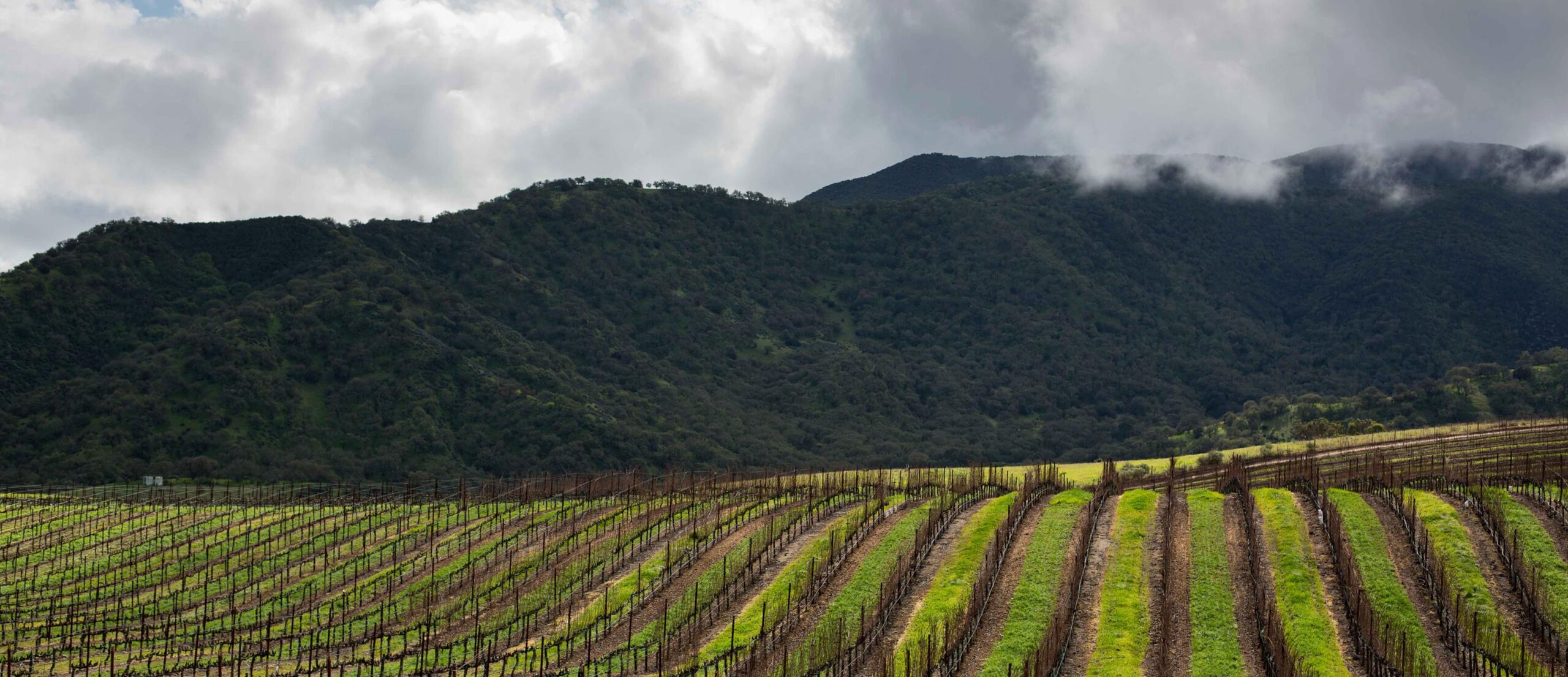
Avoiding Being Placed in a Box

Others have also found unconventional paths into wine that each have their individual map and speak to different situations.

Wanda Mann
Photo Credit: ©Doug Young

Wanda Mann, East Coast editor of The Somm Journal and founder of Wine with Wanda, had a different expectation than the path she ended up taking since she had attended prestigious schools such as Phillips Academy (Andover) and Pomona College, which has one of the lowest acceptance rates of any U.S. liberal arts college. Some thought she would become a lawyer or work towards becoming an executive in the corporate world but she followed her passion of creating and promoting high-profile events in New York City and eventually became one of the top voices in the wine world. “Everyone’s path to wine looks different, and our paths shouldn’t be the same, and that is what adds so much richness and texture to this industry,” explained Wanda.
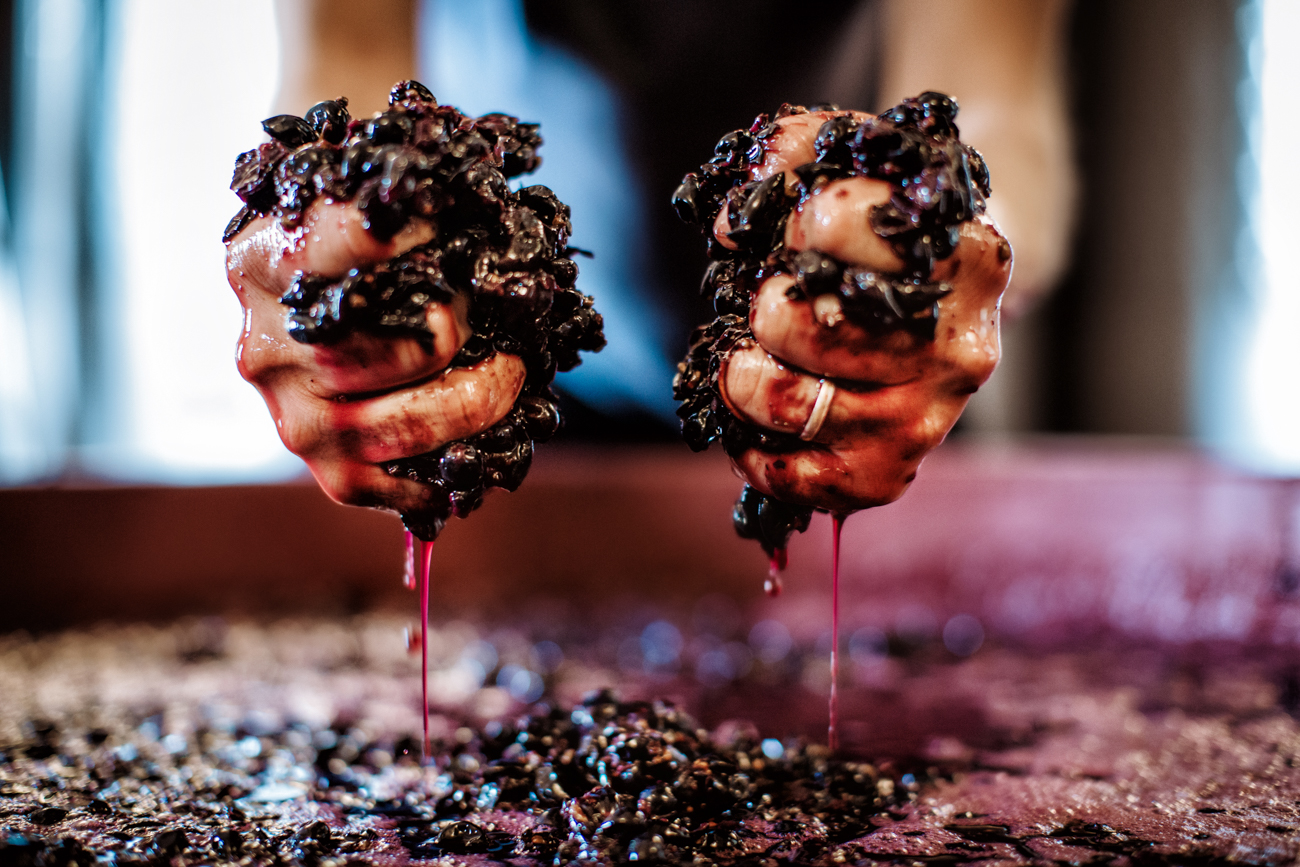
Another woman leading the charge in the wine industry almost followed the path to becoming a lawyer yet after university there was something about “the pace of that kind of work that didn’t connect” with her. Today, Mandy Oser has been the owner and wine director of Ardesia Wine Bar in the Hell’s Kitchen neighborhood of Manhattan, New York City, for 13 years. She encourages people to talk to as many people as possible in varying sectors of the wine world to find out where they belong, whether it is sales, retail, restaurant, writing, etc., as each has its own unique qualities and she noted that even an honest 15-minute conversation with someone working in that sector could give someone an idea of whether it would be a good fit. 

Mandy Oser
Photo Credit: ©Melanie Dunea

Mandy was able to learn about the inner workings of the restaurant world through her former boss, who was on the Board of Directors at City Harvest, a local food rescue organization. She could never envision working in such an environment before that time but she realized it was the “right fit immediately”. Mandy explained that there was something about being surrounded by “food, wine and hospitality” that really clicked with her. Before opening Ardesia, Mandy worked alongside chef Eric Ripert and co-owner Maguy Le Coze at The New York Times four-star rated Le Bernardin restaurant. As the director of strategic partnerships, for over nine years, she oversaw and managed chef Ripert’s business operations.

Although she has always greatly valued her staff as a business owner, during the pandemic, she discovered that she wasn’t utilizing all the talents of each staff member. She and her manager would have to take over kitchen duties when the chef was out, and she had someone from the kitchen take over front of house duties when staff members were out for weeks. Her biggest takeaway from the pandemic is that as a business, they had “quite a rigid view of how the roles should be set and what people should do” and not only does Mandy see that sort of viewpoint being bad for creating a dynamic environment but that it is terrible for the overall moral; she sees that her employees have a greater chance of being “happy” and “more satisfied” with their work-life if she doesn’t put them in a box. 

Jirka Jireh, who grew up in a house with no alcohol, moved to New York City to pursue the hip-hop world and she initially worked as a food runner in a restaurant. She was fortunate to have a couple of wine directors encourage her to taste wines and empowered her with wine knowledge. Through time, she discovered that wine had everything she loved about hip-hop: creativity, rawness and real stories. A couple of years ago, she left NYC for the West Coast to advocate for “BIPOC and LGBTQIA+1 representation amongst domestic natural winemakers,” and she is the co-founder of Industry Sessions, a digital wine education program exclusively for marginalized people that spans 14 cities in the U.S. and Canada.

Jirka Jirak
Photo Credit: ©Liz Moughon

“Seeing a room filled with people who looked like me and have the same passion made my heart burst with love,” Jirka passionately declared. Because she knows first hand, if one doesn’t see herself in the wine world, it is never considered a possible option. Although her primary mission is to push for representation for underserved communities, her overall passion is to have deep connections with people who don’t look like her or who have different backgrounds and that it will create a healthier and more fair wine industry as people’s fate will no longer be decided by a handful of gatekeepers. That old attitude of having to jump through hoops for the gatekeepers of the wine world, which sometimes forced people to choose between their dignity or their career, is being torn down by the younger generation. One doesn’t have to go to a wine class that makes them feel inferior because of their background, as Jirka has noted that one can learn anything on the internet and that platforms like TikTok can offer a safe way to educate oneself about wine without having to be humiliated.

As recent investigations have shown that some of those gatekeepers to the wine world were demanding sexual favors from women for educational opportunities and career advancement, it becomes essential to create other avenues for success that are not only vital for women but for those men who themselves have been ostracized for calling out such bad behavior.

Allowed to Dream 

People’s journey to their wine dream can significantly vary, with some entering it with no formal education at a young age and others starting a second career after 20 years in a completely different industry and sometimes some don’t initially have that dream on their radar because they could never visualize themselves in that world.

Annette Alvarez-Peters greatly appreciates those opportunities she was given at Costco to learn, grow, and ultimately become one of the most powerful wine buyers in the world. “Working for Costco was the most wonderful time in my life,” noted Annette and it was a big decision when she decided to retire a couple of years ago after being there for 37 years. She loved that time in her life but she needed to prioritize her personal life as she sacrificed a lot working long hours as well as weekends and holidays. But as she moves into another stage of life with the creation of her own wine consultant business, annette a.p. Wine and Spirits Inc, and the role of mentor as she is on the advisory board for Wine Unify, a non-profit organization to promote and celebrate diversity in the wine industry, she starts to rethink how her own dream came true. As that dream only developed because she was empowered and educated by Costco, and in turn, she was a loyal employee that always delivered what the company needed from her.

Yet now, as she has time to reflect, she knows how important it is for the wine industry to create an infrastructure that is open to all and rewards hard work and passion instead of being an exclusive club. As she still remembers how “intimidating” and “overwhelming” wine seemed, and hence, she wants to be part of making it more accessible to people willing to do the work. And in the long run, it will not only create more ethical working environments but also help companies find ideal candidates that will eventually move up to powerful positions. As in the past, the perfect candidate may have been toiling away, stuck in a dead-end job, because she never envisioned herself in that world, in that position; the person loses out, the company loses, and the wine industry loses out because of circumstances not allowing someone to dream.

***Link to original article on Forbes: https://www.forbes.com/sites/cathrinetodd/2022/02/03/top-wine-industry-leader-worked-from-the-bottom-up/

This article was inspired by the discussion that took place during the Winebow Imports’ Women in Wine Leadership Symposium (WWLS) held on January 24th, 2022 via Zoom.

1BIPOC is an acronym that stands for Black, Indigenous and People of Color and LGBTQIA+ is an inclusive term that includes people of all genders and sexualities.

Posted in Dame Wine | Tagged , | 1 Comment