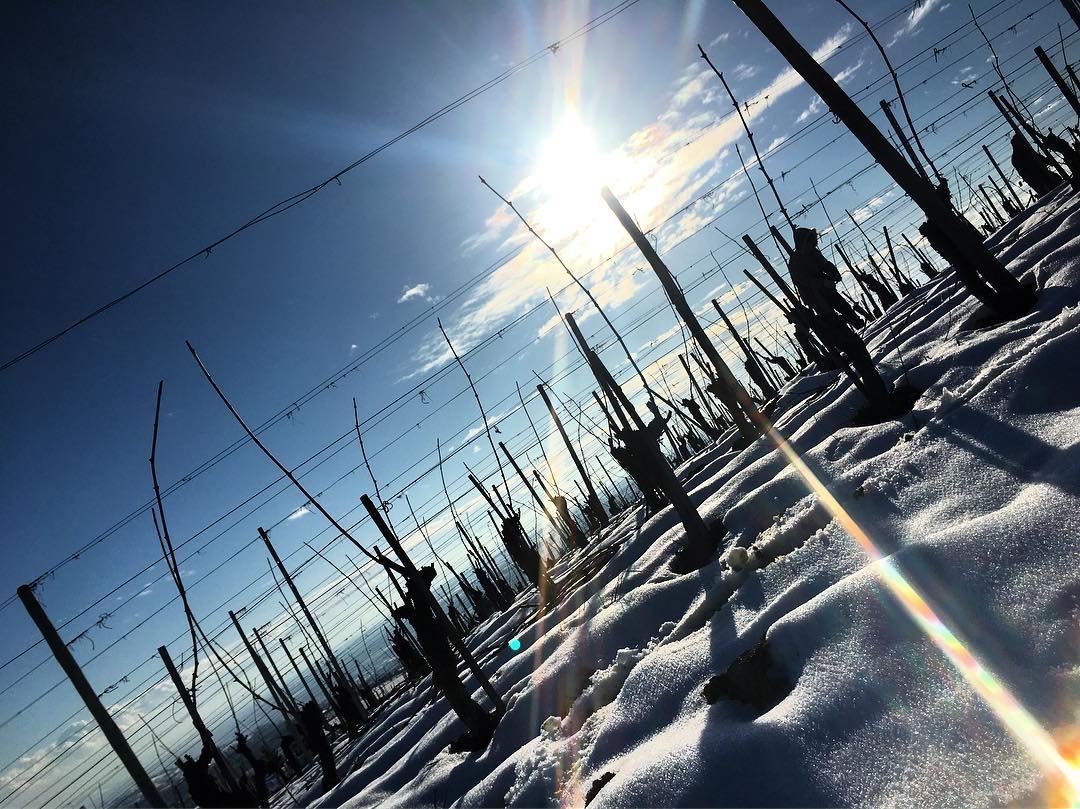
Photo Credit: G.D. Vajra
The wooden floor creaked as the professor briskly walked to the door to shut it, as he didn’t want anyone else to hear the meeting he was about to conduct in his office after school hours. One student named Aldo pensively sat among the handful of young men, intensively listening to everything the Italian professor had to say in this secret lesson. He furiously wrote down everything as if his teacher was giving him the secrets to happiness. At that time, Aldo had no idea how much it would shape not only the future for himself but the future of one of the greatest wine regions in the world.
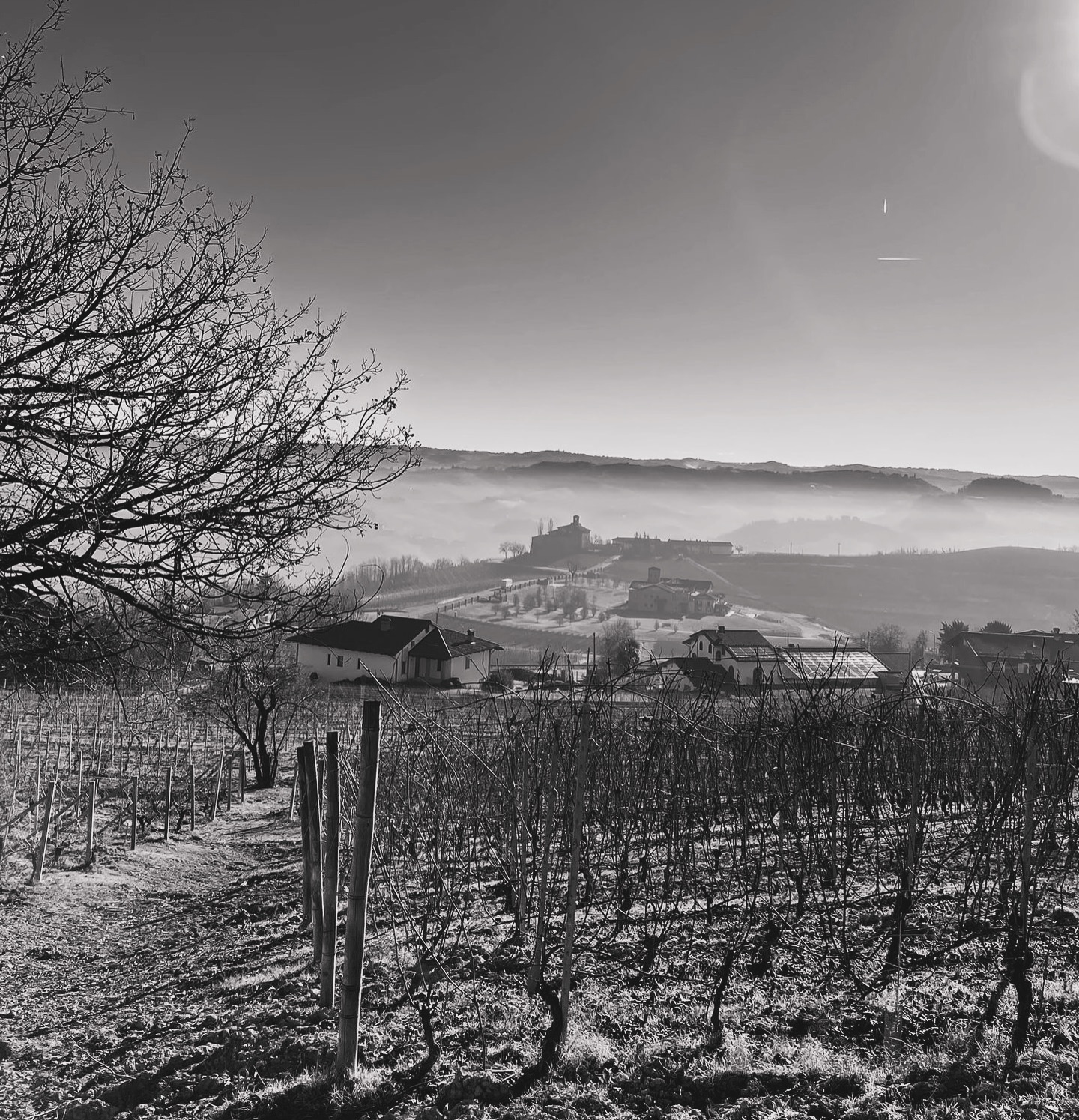
Photo Credit: G.D. Vajra
Professor Francesco Garofalo was teaching these young men about organic farming, what he called “ecologia,” and even though it was nothing new in the 1960s, as many previous generations had farmed that way, it was controversial at the time as there was a trend, starting in the 1950s, to use chemical fertilizers and herbicides to produce large quantities, as farmers were desperately struggling after World War II. As one can imagine, the universities did not want organic practices discussed during these times as the chemical industry was financing research at the university.
The young man who listened so intently with every fiber of his being was Aldo Vaira, who was working his family’s farmland and would eventually make wine in a region, Piedmont, Italy, that is known today as a prestigious wine area but at the time, was a desolate area where many multi-generational families were walking away from their land to work in the big city.
G.D. Vajra
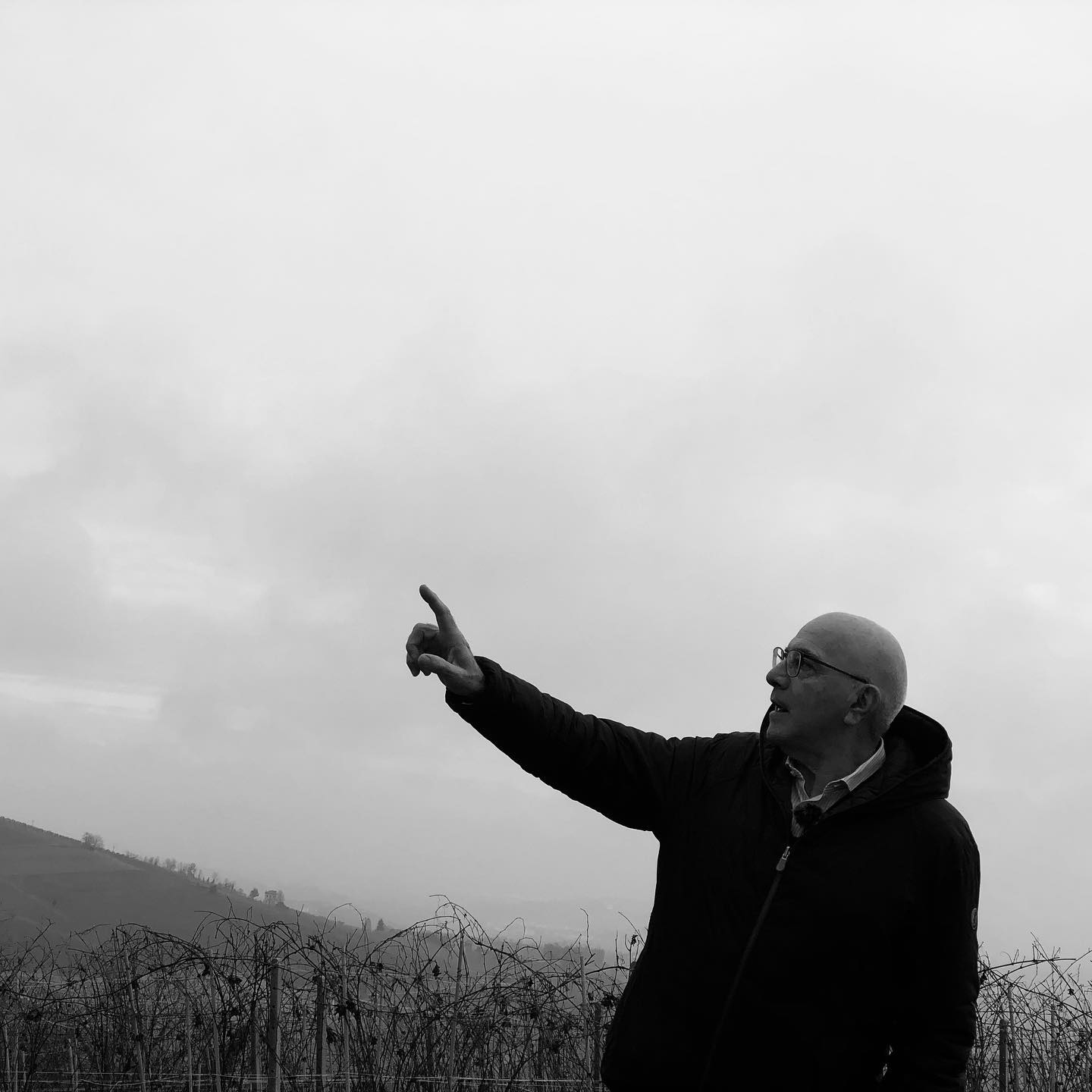
Photo Credit: G.D. Vajra
Today, just on the merit of their distinctive wines that are all about expressing a sense of place, the G.D. Vajra family wine producer, established by Aldo Vaira even though his family has been farmers in the area for generations, has become a precious jewel within Piedmont, which makes some of Italy’s most delectable red wines such as Dolcetto and Barbera, and one of the most noble, Barolo. But they have a deep connection to the history of Barolo when it comes to their top vineyard, Bricco delle Viole, as a handwritten manuscript written by a local surveyor in 1897 noted that the Bricco delle Viole was the cru at the highest elevation and amongst the most western cru of the whole region; it was a vineyard with its unique expression. Today, there are vineyards in Barolo that are higher and further west. Still, Bricco delle Viole was the first, and it has been able to ripen grapes and find a good balance to be considered a vineyard of note for over a century.
Back in the ‘60s, it was not as common for people in the countryside of Piedmont, as well as other parts of Italy, to go to college, but Aldo’s parents made him go if he wanted to be able to use the family’s land to grow grapes and make wine. Something that seemed like an unfair compromise to a young man became a saving grace as he got a part-time job as a teacher, allowing him to invest money into vineyard management, including more costly organic practices and winery improvements geared towards quality wine.
Born For The Land
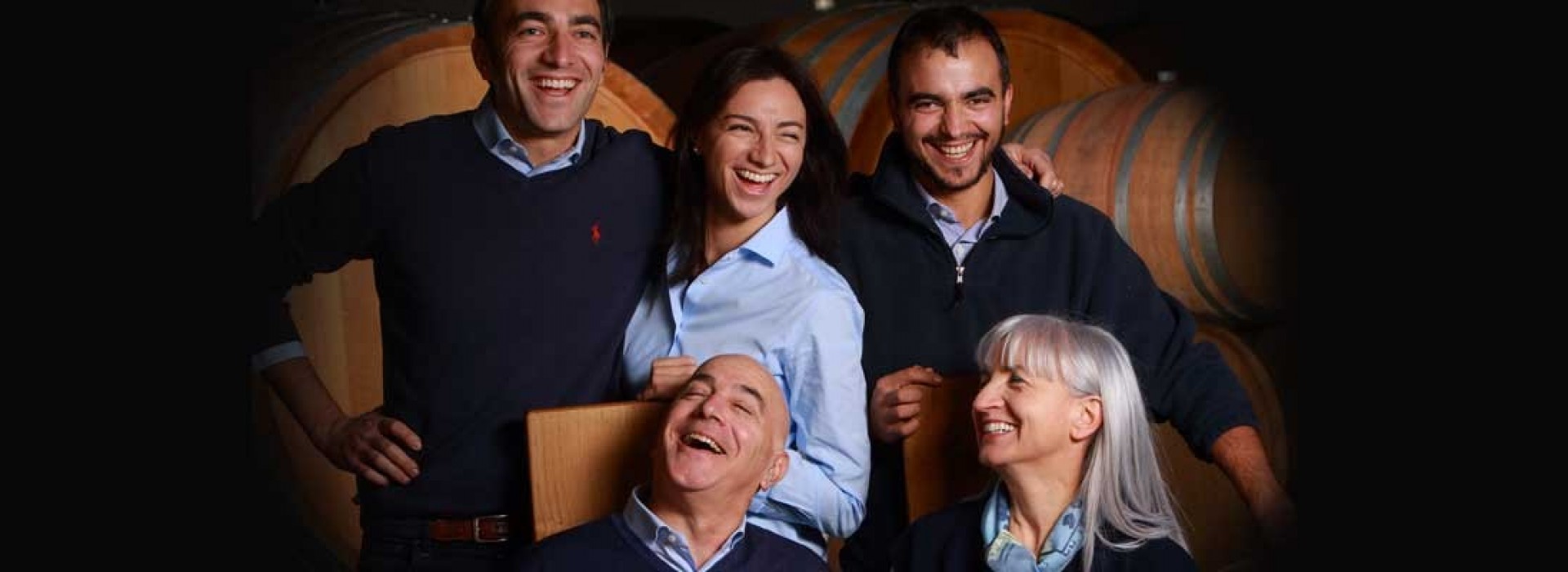
Photo Credit: G.D. Vajra family photo
Today, Aldo, with his wife and children, runs one of the most respected and cherished wineries in Piedmont, and he is every bit the gentleman farmer as he is a worldly man who is happiest when working the land. It is almost impossible to think of him in his youth as he was a rebel who shocked the village. As things were so bad in the countryside after the war, many people moved to Turin, a city with several car factories. Aldo’s parents moved to Turin so their future kids could have a better life with more opportunities. In 1968, there were many protests throughout Italy as the younger generation showed intense dissent against traditional Italian society. At the impressionable age of 15, Aldo took to the streets of Turin to join the out-of-control protests, and as fate would have it, a friend of his father’s would catch him ditching school and protesting.
Photo Credit: G.D. Vajra
Within 24 hours, Aldo was sent to his grandparents’ farm in Piedmont for the summer so he wouldn’t get into any more trouble until he grew out of this rebellious stage. He was undoubtedly the talk of the village as he wore blue jeans and had long hair like The Beatles. But Aldo ended up getting in more considerable trouble in the countryside, as he fell in love with farming and made up his mind that even though it seemed hopeless, as all the young people left the village, he couldn’t see himself doing anything else with his life. That is when his parents made a deal with him to go to college after he graduated high school, thinking that sooner or later, he would get tired of the backbreaking work of farming, but the opposite happened; he just became more obsessed with the land.
Aldo’s son, Giuseppe, likes to joke that his dad is the only kid of his generation “to be born in Turin and decide to become a farmer,” during a time when Italians were saying that the only thing worse than farming was to be left dead at the bottom of the sea. But today, many consider having land in Piedmont, such as the top vineyards of Barolo, making some of the most fantastic red wines in the world, to be the ultimate dream that can never be realized. The success of the place was because of men like Aldo, who believed in their land with their heart and soul and lived to work the vineyards no matter if the world would recognize them or not, as they weren’t born for the glory; they were born for the land.
Link to original Forbes article: https://www.forbes.com/sites/cathrinetodd/2024/12/08/a-revolutionary-italian-wine-producer-in-a-top-region-for-red-wines-who-went-against-the-grain/
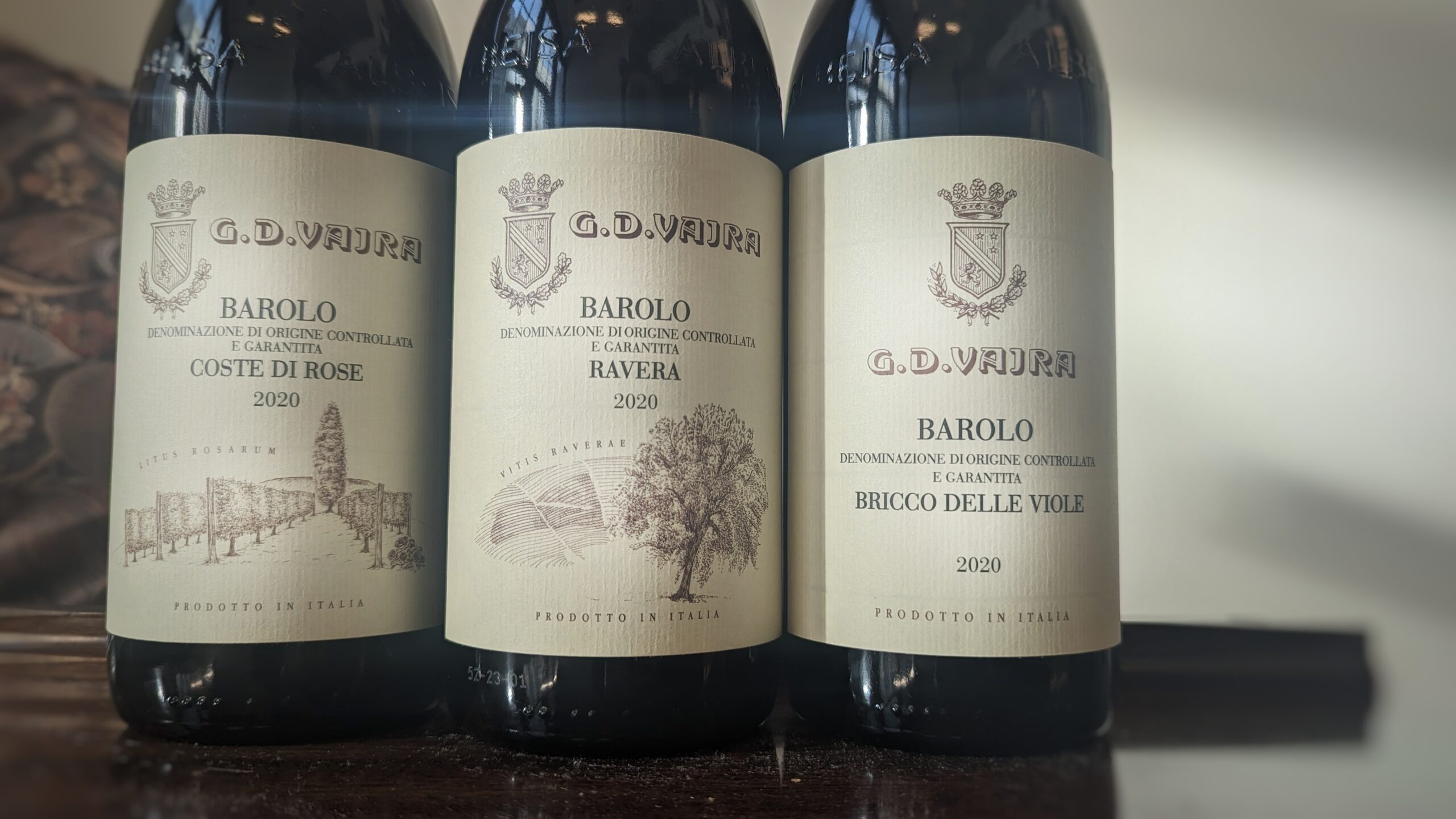
Photo Credit: Cathrine Todd
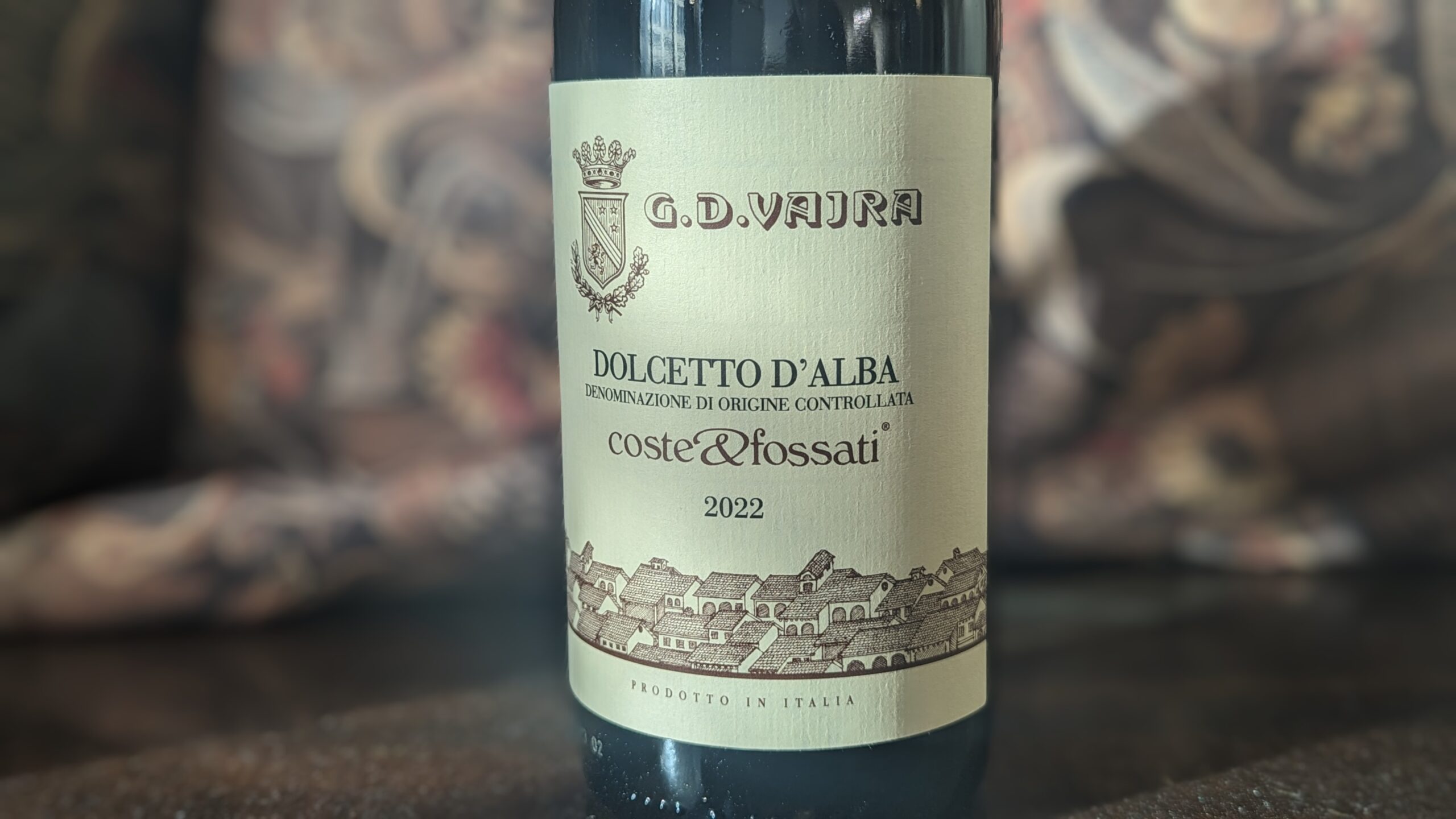
2022 G.D. Vajra, Dolcetto d’Alba Coste & Fossati, Piedmont, Italy: 100% Dolcetto. Juicy red cherry fruit and succulent tannins with a hint of fresh sage and crushed rocks that is flavorful and fresh, and it is one of those wines that the bottle is drunk before one knows it.
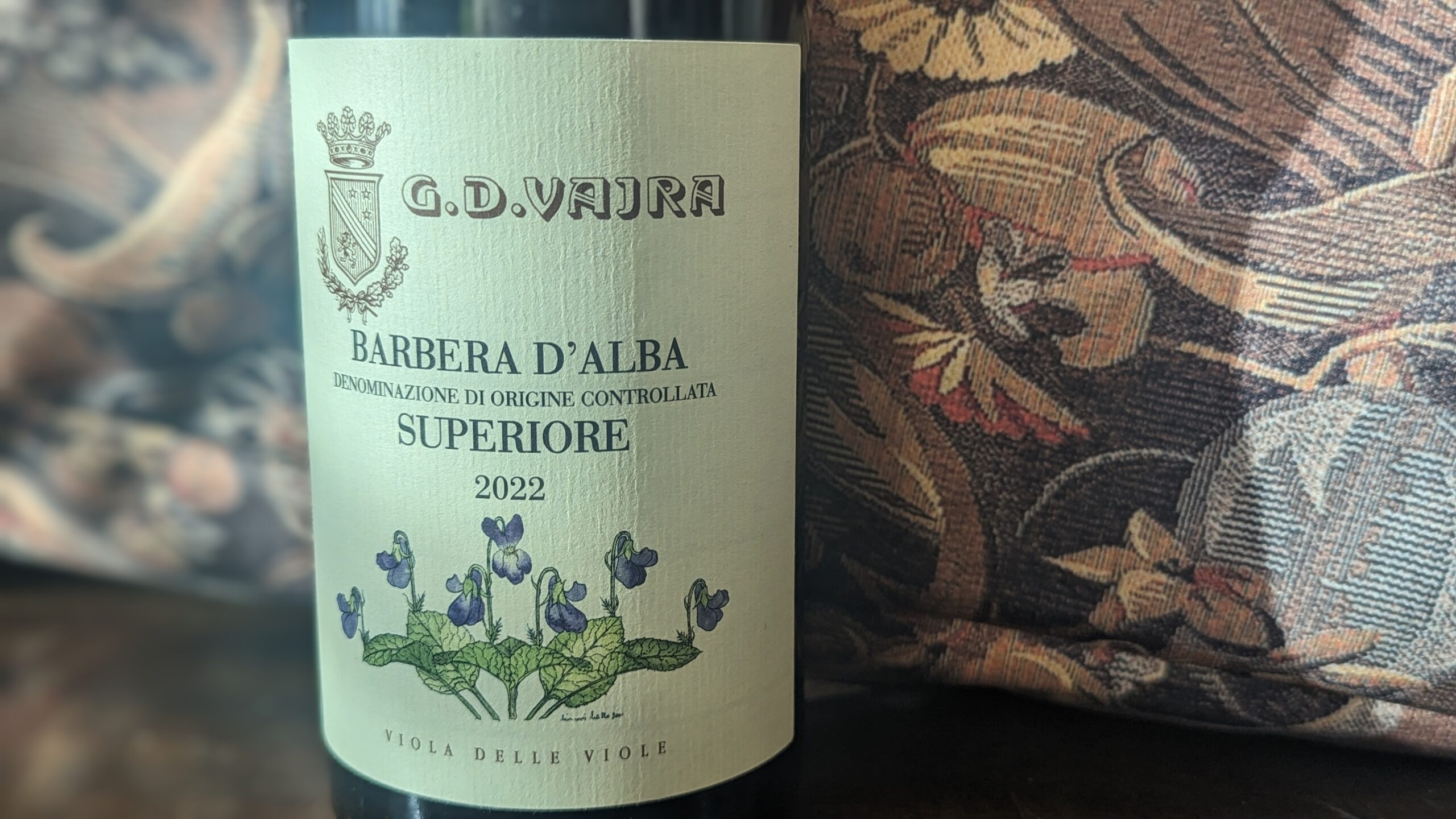
Photo Credit: Cathrine Todd
2022 G.D. Vajra, Barbera d’Alba Superiore, Piedmont, Italy: 100% Barbera. Deep color of ruby with tints of purple and dark, brooding blackberry fruit with an underpinning of spices and wet earth with more structure than the Dolcetto yet the tannins are silky in quality.
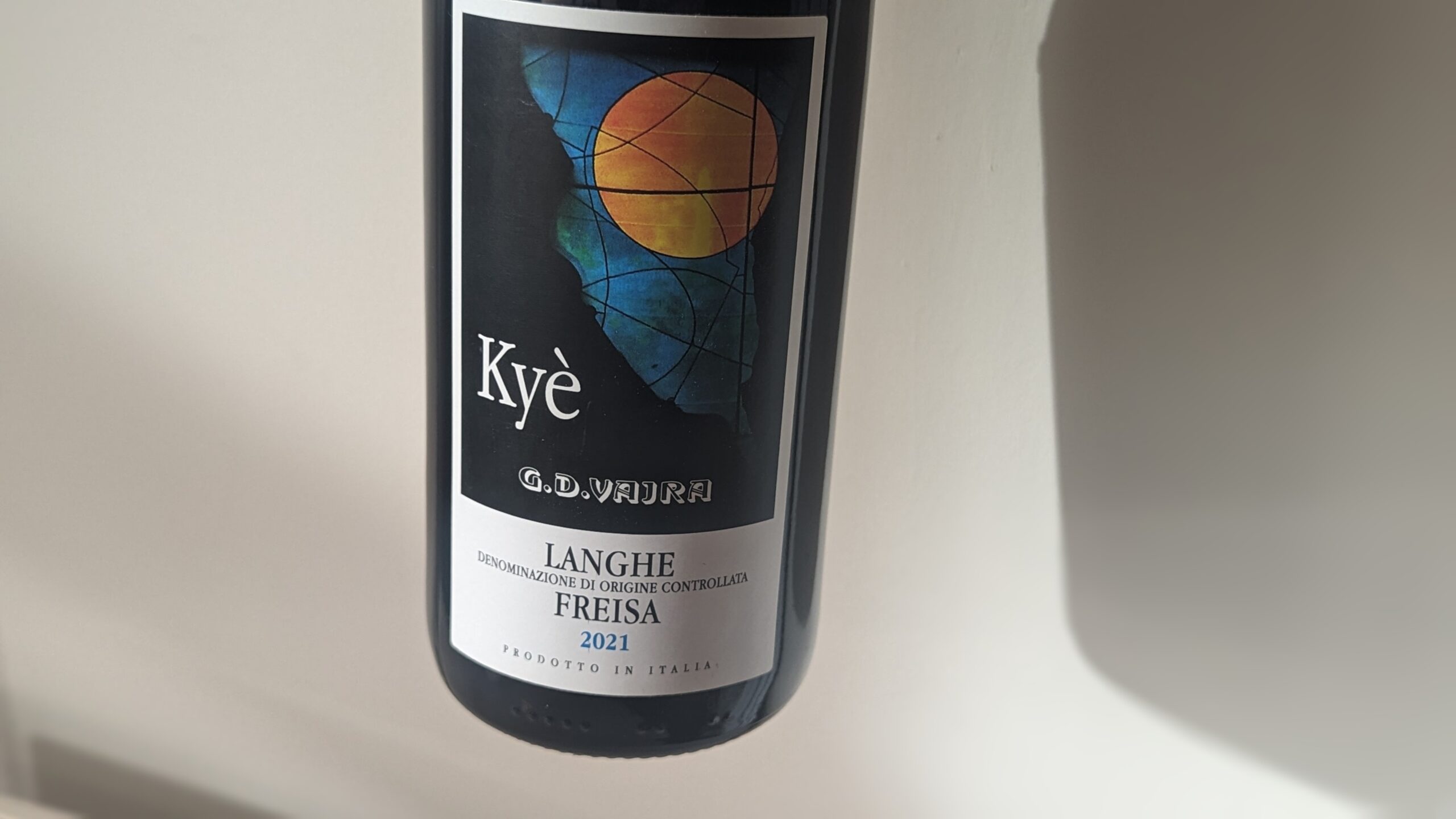
Photo Credit: Cathrine Todd
2021 G.D. Vajra, Langhe Freisa ‘Kyè’, Piedmont, Italy: 100% Freisa. Freisa is a grape variety similar to Nebbiolo, the king of grapes that makes up Barolo, and it is believed to be an offspring of Nebbiolo. The aromas are slow to open, but when they do, it is a tantalizing, intriguing sensory experience with blueberry tart, dark chocolate mints and a slight hint in the background of newly poured tar with electric acidity and juicy fruit on the palate with lingering notes of white pepper and orange blossom – this is an exciting wine as there is nothing quite like it out there.
2020 G.D. Vajra, Barolo Coste di Rose, Piedmont, Italy: 100% Nebbiolo from single vineyard Coste di Rose. Such a delicate beauty with rose oil, river stones and bright cherry notes subtly soaring with grace and precision; it is a profound as it shows the power of a wine that represents the epitome of finesse.
2020 G.D. Vajra, Barolo Ravera, Piedmont, Italy: 100% Nebbiolo from single vineyard Ravera. The tannins are exquisitely sculpted, giving it a regal quality that perfectly balances out the rich fruit flavors of cherry scones and black raspberry cobbler with complex forest floor and tobacco notes with a long, flavorful finish.
2020 G.D. Vajra, Barolo Bricco delle Viole Piedmont, Italy: 100% Nebbiolo from single vineyard Bricco delle Viole. A mystifying wine that teases and plays with the drinker as it is at once ethereal yet also concentrated and generous, giving layers of ripe fruit with finely constructed texture, but there seem to be elusive notes that are impossible to pin down and so it is a constant chase with dancing aromas of pressed rose petal and smoldering cigar with an expressive finish that leaves riveting notes of salted dried cherries and sea shells in one’s head.