The weathered, tanned hands carefully placed the vine into the ground as the beams of sunlight added a glow to all the low-lying Mediterranean vegetation that enhanced the aromas of rosemary, thyme and sage in the air. As sweat started to come down the man’s flushed face, he could hear his neighbors mocking him for breaking his back because of a crazy idea he had in his head one day. Everyone planted their vines on the valley floor as they were making wine for quantity so the locals could fill up their jugs, as wine would help to increase the calories of the diets of the local farmers as there wasn’t enough food to properly feed everyone who did such strenuous work.
But this man had a vision that, one day, his region would be known for quality wine around the world, so he climbed up the side of the foothill of a mountain every day, to around 1,000 feet above sea level, to establish his vineyards on the hillsides, after centuries of his family planting vines in the valley. He believed the hillsides would be better as the swings in temperature, allowing warm days for ripening and cool nights for retaining acidity and aromatics as well as significantly lowering yields, would start his family on their journey of raising the quality of wines for the region as a whole, helping to establish them as the Mediterranean gem from the South of France that they are known as today.
Maison Lorgeril
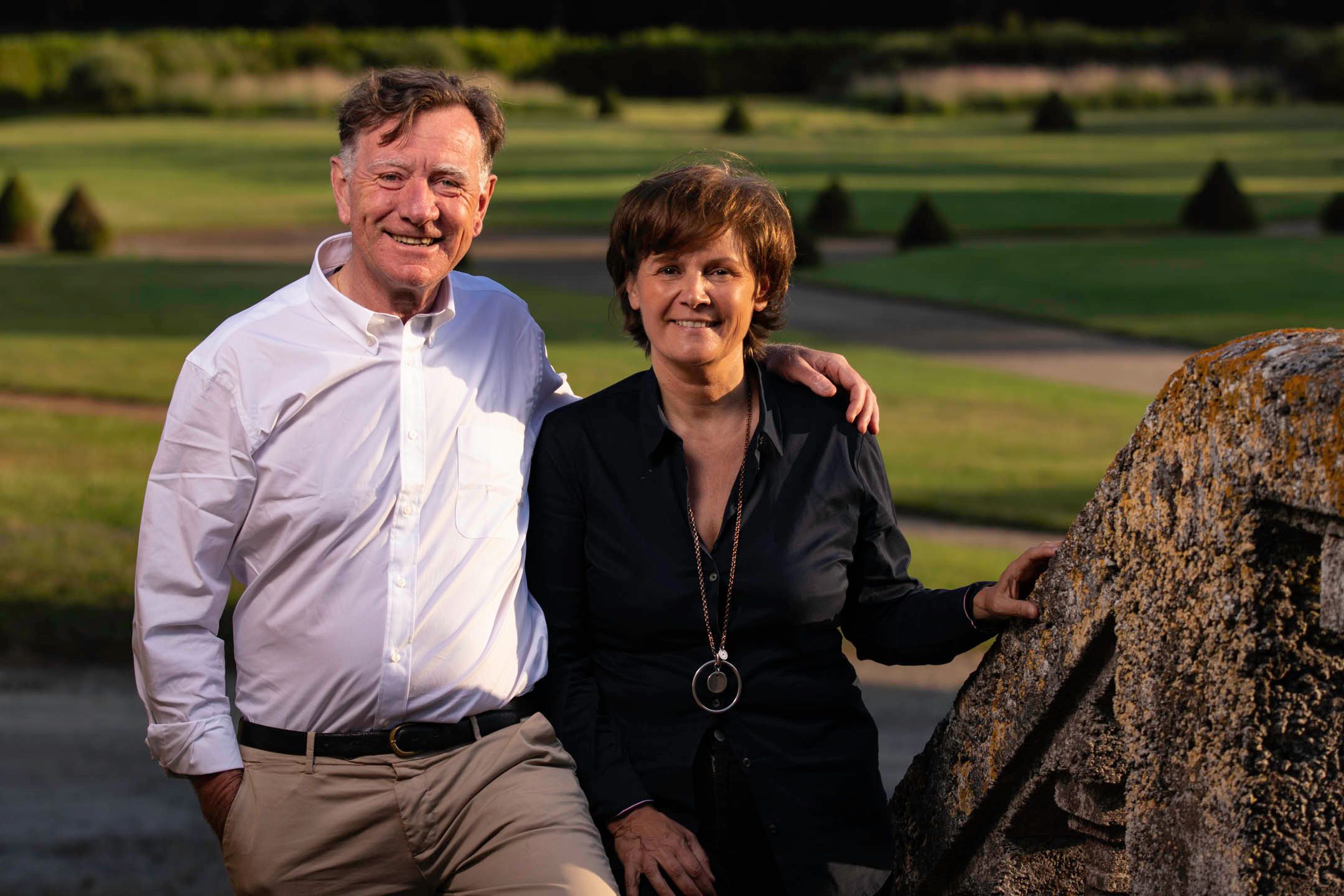
Photo Credit: Maison Lorgeril
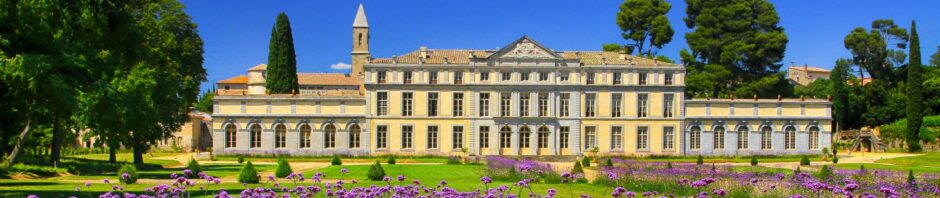
That was 50 years ago, and today, that man’s grandson, Nicolas de Lorgeril, with his wife Miren, run the family’s wine business, Maison Lorgeril – independently family-run for 400 years, which today includes six family estates that cover eight appellations in the Languedoc wine region in Southern France. Also, since then, there have been a handful of tiny producers in a specific area of the Languedoc with a niche following that charge more than $100 per bottle for their top wines, the most expensive of which hit the $200 mark. Yet the Lorgeril family represents the Languedoc as a whole with estates that have different micro-climates, soils and exposures that range from broad regional wines that are bright and delicious for around $15, to more appellation-specific wines that are complex and multilayered for around $30 and plot specific wines with a distinctive sense of terroir from $50-60. Since the Lorgeril family covers a broad swath of the Languedoc wine region and produces wines at all levels, they have been instrumental in raising the quality of the region as a whole and reaching a more diverse customer base.
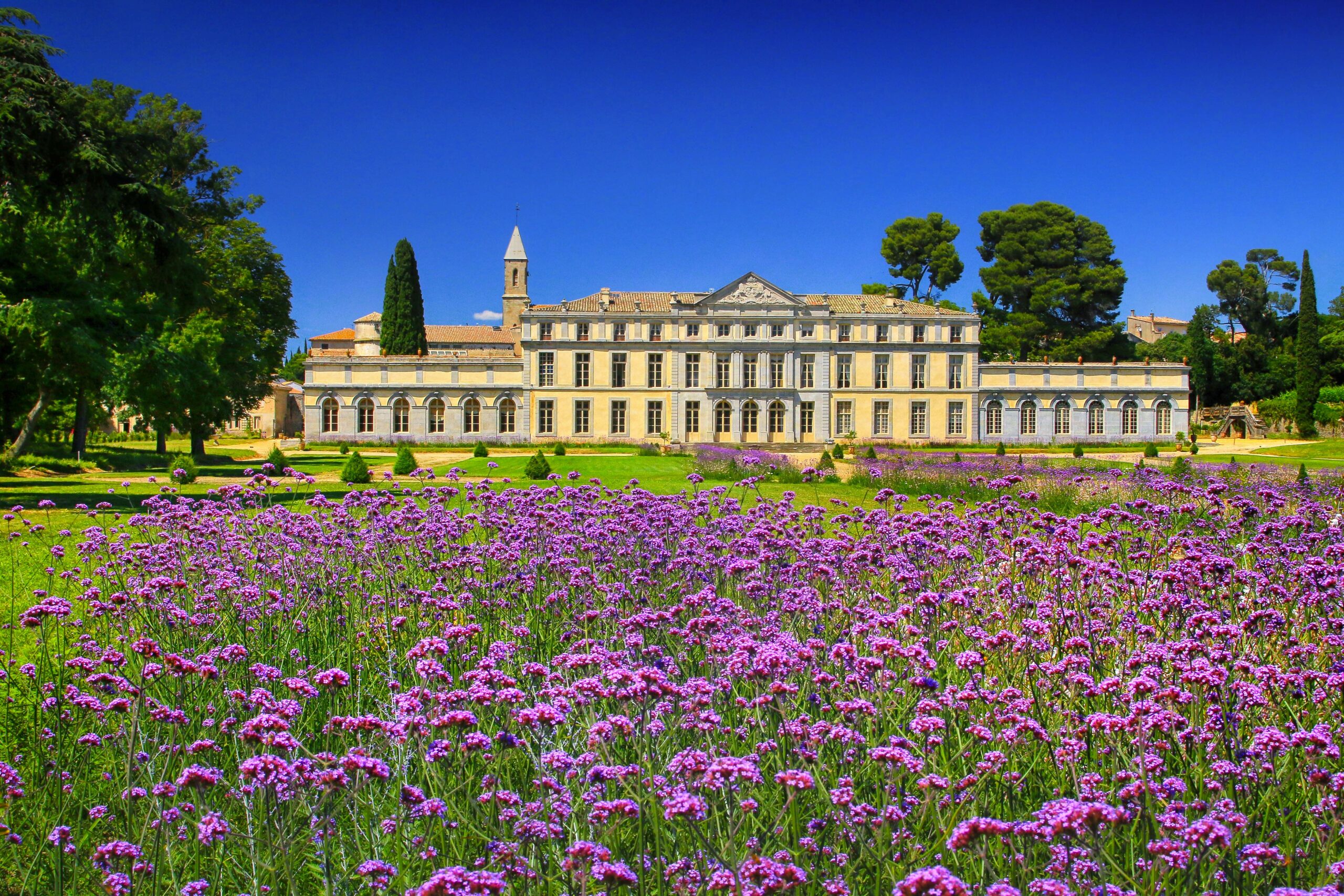
Photo Credit: Maison Lorgeril
The estate that has been in the Lorgeril family the longest is Château de Pennautier, which is located in Cabardès, a place that is a cross-section of the two central climates that dominate the Languedoc. A cooler, drier wind from the West converges with a warmer, wetter wind from the Mediterranean Sea that borders the Eastern part of the Languedoc. This part of the region is the only designated high-quality appellation in France that allows the blending of Bordeaux varieties with Mediterranean varieties; both are significantly represented in the blend, as there needs to be at least 40% of both. It is one of the ideal places in France to create such a blend, and their Château de Pennautier red blend combines Syrah and Grenache with Merlot and Cabernet Sauvignon, creating a uniquely delicious French premium wine.
Diversity of Estates
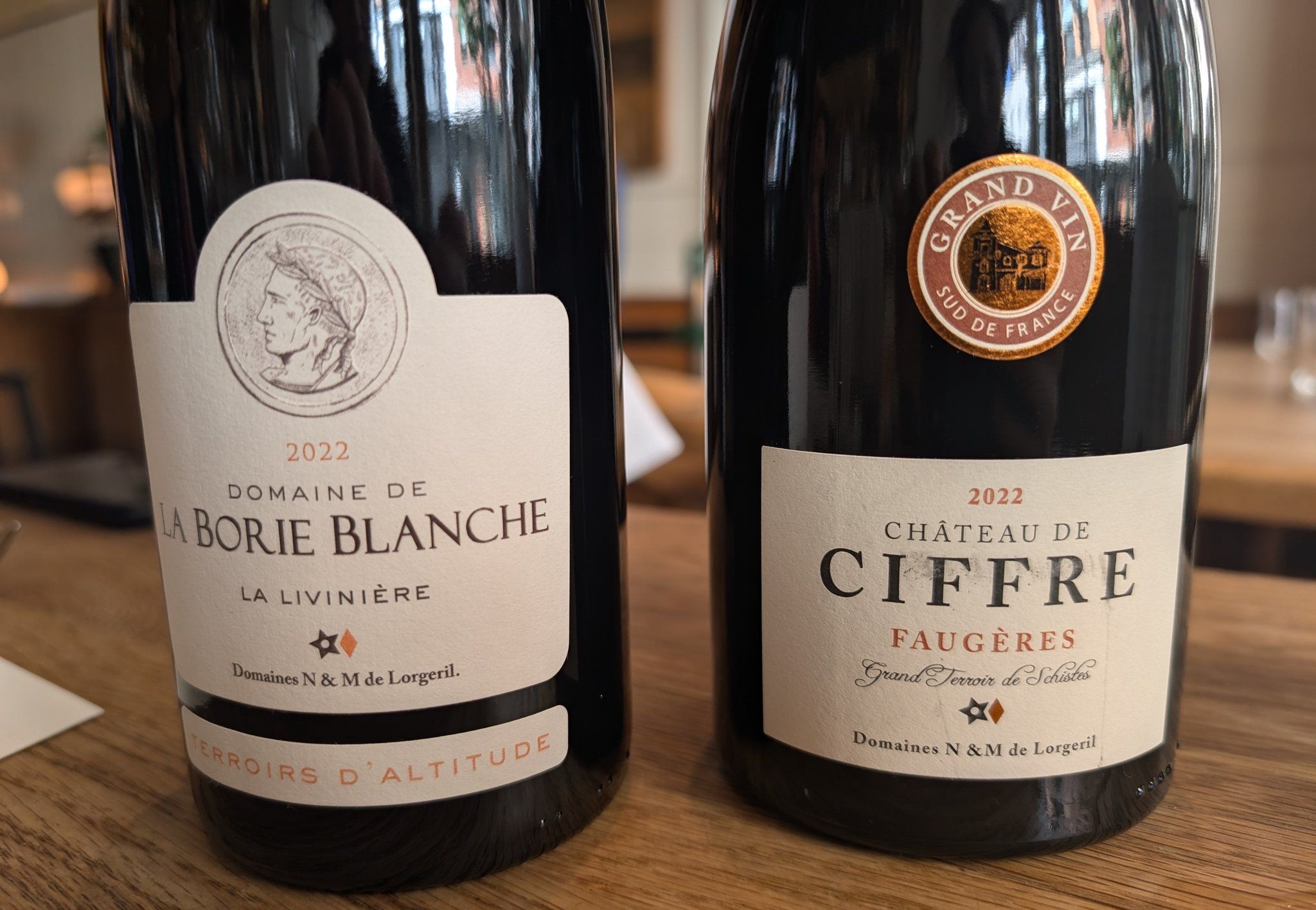
But if the rare gem of the Château de Pennautier estate wasn’t enough, they have several others that expand across the region. Their estate Domaine de la Borie Blanche makes wine from the designated appellations of Minervois and La Livinière, and another estate, Château de Ciffre, makes wine from the Faugères and Saint Chinian appellations, just to name a couple.
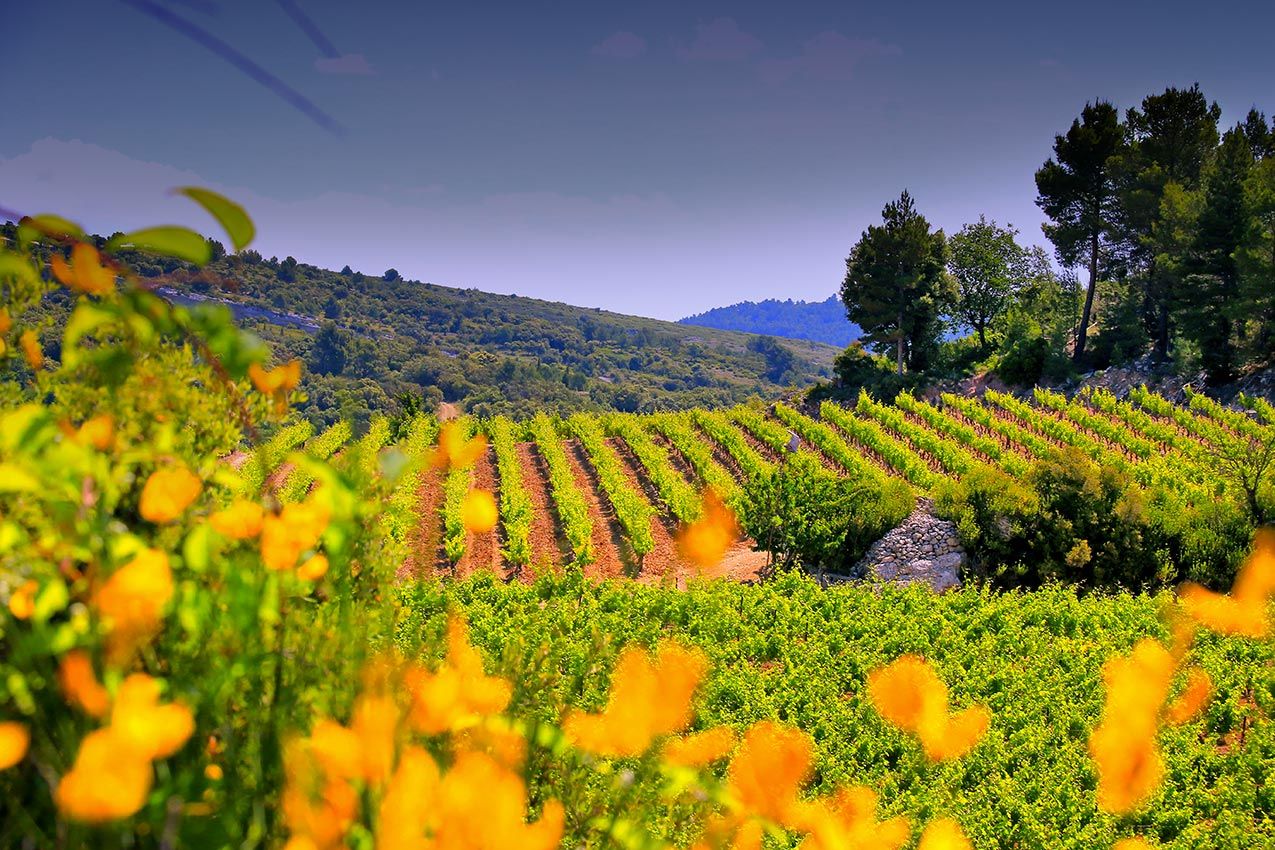
Photo Credit: Maison Lorgeril
Domaine de la Borie Blanche makes wines from vineyards planted at altitudes as high as 1,300 feet in a south-facing amphitheater with a strong influence from the Mediterranean. The drastic extreme temperatures from day to night allow the grapes to ripen slowly; hence, finer, more elegant tannins develop in the grapes and showcase themselves beautifully in their Syrah and Grenache wines. On the other hand, the Château de Ciffre vineyards are tucked away in a Regional Nature Park at the foot of Mont Caroux at around 800 feet above sea level, and the temperature is moderate due to the protection of the natural reserve. Also, the soils are mainly limestone and schist, which imbue their Syrah, Grenache and Mourvèdre with an intense minerality.
The Château de Ciffre vineyards have been certified organic since 2019, although they use organic practices throughout their estates. The Lorgeril family has noticed that even in hot, dry weather, the soil is still moist because it is healthy and alive due to their organic practices, so the soil can keep ideal conditions for the vines even during extreme weather conditions. The organic practices, combined with their highly elevated vineyards, which were mocked at one time, have placed their estates in ideal situations to handle the warmer weather and drier conditions they have started to experience.
Lifting The Viewpoint
Half a century ago, Nicolas de Lorgeril’s grandfather decided to put his faith in his regional home by putting lots of his resources into planting vineyards as high as he thought possible, up to 1,300 feet, believing that, one day, it would be an admired wine region respected around the world. He certainly had a lot to lose and knew he was gambling on his children’s and grandchildren’s future, but what was the alternative?
One day, he climbed up the limestone slopes of the Montagne Noire, where he was checking on some of his vineyards on the foothills, and after six hours, he reached the top of the mountain. He took in the whole landscape of the Languedoc with a bird’s eye view, made breathless by its stunning beauty that was enhanced as the sun started to set, painting the sky with a burnt orange that made his heart race. Slowly, he began to take deep breaths, easing into that awestruck moment, his pulse rate dropping to a calm state, and then he noticed some of the other locals working in their vineyards. It dawned on him at that moment that his neighbors could never see the potential of their homeland as they mostly kept their eyes on the ground, never able to feel the power of the place. No matter what happened, he knew that the gamble would be worth it, as his grandchildren and his neighbor’s grandchildren would at least not be afraid to lift their eyes to the sky with all its possibilities.
***Link to original Forbes article: https://www.forbes.com/sites/cathrinetodd/2024/11/14/the-wine-family-that-raised-quality-for-a-whole-wine-region/
The ‘Terroirs d’Altitude’ label on the Maison Lorgeril’s wines highlights their cooler climate sites, which go against the big and robust wines on which the Languedoc had built its reputation.
2023 Mademoiselle de Pennautier ‘Terroirs d’Altitude’ White Blend, Pays d’Oc, Languedoc, France: 70% Chardonnay, 20% Sauvignon Blanc and 10% Viognier from their Pennautier estate within the Cabardès sub-region but since this wine blends varieties not allowed in the Cabardès AOC, it is given the more general regional designation of Pays d’Oc. A pretty nose with citrus blossom, honeysuckle and a stony minerality with juicy peach flavors balanced by fresh acidity and a supple palate.
2019 Château de Pennautier ‘Terroirs d’Altitude’ Red Blend, Cabardès, Languedoc, France: 40% Merlot, 30% Syrah, 20% Cabernet Sauvignon and 10% Grenache. Aromas that have a wild quality such as brambly fruit, garrigue and lavender that transports one to this wondrous world that sits between the Bordeaux-influenced South West and the Mediterranean with a touch of plush blackcurrant fruit intermixed with a hint of dried earth that has a lifting structure of bright acidity and nicely knitted tannins.
2022 Domaine de la Borie Blanche ‘Terroirs d’Altitude’ Red Blend, Minervois La Livinière, Languedoc, France: 50% Grenache and 50% Syrah. An effusive bouquet of flowers on this enchanting nose with a touch of black pepper with pristine flavors of red cherries and raspberries with very fine tannins and overall finesse.
2022 Château de Ciffre ‘Terroirs d’Altitude’ Red Blend, Faugères, Languedoc, France: 70% Grenache and 30% Syrah. Deeply concentrated wine with multilayered fruit that finds an ideal harmony between the rich cassis flavors lifted by zingy cranberries that has an elegant rosebud note and a fierce minerality throughout that carries across the long and elegant finish.