
Ukraine Wine Producer Winning Top Wine Competitions Helps Those In Need

A breeze gently moved the light brown hair off the shoulder of an elegant woman, a Mediterranean beauty with big, almond-shaped eyes and a golden tan that seemed to be kissed by the sun as she radiated health and grace on the stone veranda that seemingly hovered over one of the most enchanting areas of the world, Lake Como in Northern Italy. The soft sunlight made the vibrant blue water glimmer as if the lake knew it was part of a rare pocket of the world that could bewitch anyone with its serene charm. This refined woman was staying at the Villa d’Este hotel, a classical Italian villa, and she envisioned all the tsars, marquises, sultans and princesses who stood where she was standing right at that moment. Even more importantly, she was one of the lucky few to attend one of the most prestigious European wine symposiums with some of the greatest wine producers attending the Villa d’Este Wine Symposium.

The week of the Villa d’Este Wine Symposium was filled with many tastings and seminars led by such fine wine leaders as Aubert de Villaine, co-owner of the iconic Burgundy estate Domaine de la Romanée-Conti, and Richard Geoffroy, the soon-to-be-retired legendary chef de cave of Dom Pérignon.

One of the exciting parts of the agenda that week was the Cabernet Sauvignon wine competition results, where only ten Cabernet wines were invited to be judged by 120 wine journalists and wine trade, and a Ukrainian Cabernet Sauvignon placed ahead of First Growth Bordeaux such as Château Haut-Brion and Château Margaux. The judges were comprised of a surreal selection of people including the likes of Aubert de Villaine, Richard Geoffroy and Vega-Sicilia owner Pablo Álvarez. The Ukrainian wine producer was SHABO and in the past 20 years, they have received more than 600 awards, many from top international wine competitions such as IWC (International Wine Challenge), and became the first Ukrainian producer to receive two gold medals from the prestigious Decanter World Wine Awards in 2021 and they have gone on to win more.

SHABO is not only worth the wine enthusiasts’ interest because they are wines from Ukraine, that make wonderful international variety wines like their Cabernet Sauvignon as well as thrilling native varieties such as their mineral-driven Telti-Kuruk white wine, but they are a must-try wine producer because of the great quality of their wines.

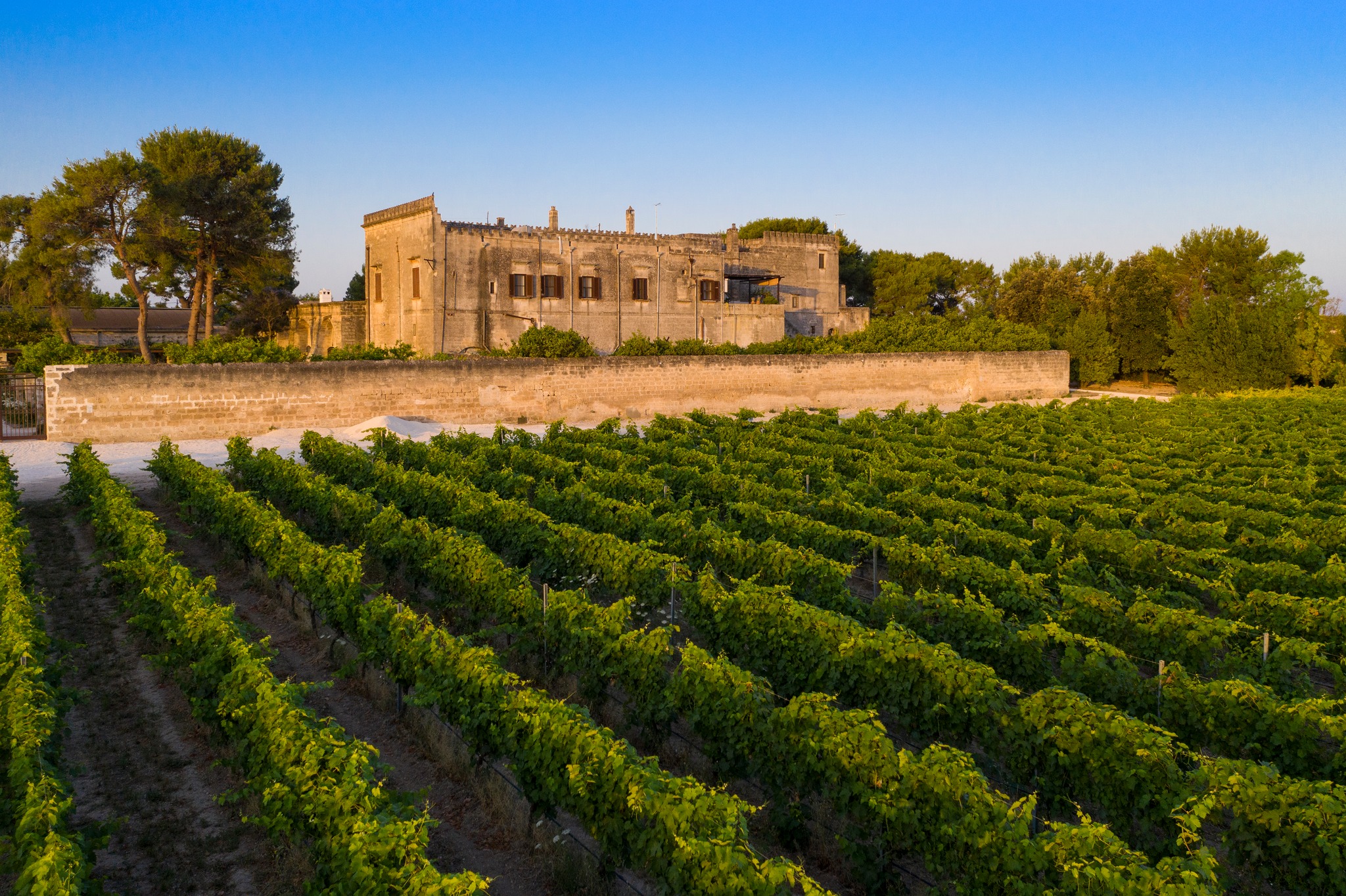
SHABO Winery

SHABO vineyards
Courtesy of SHABO Winery

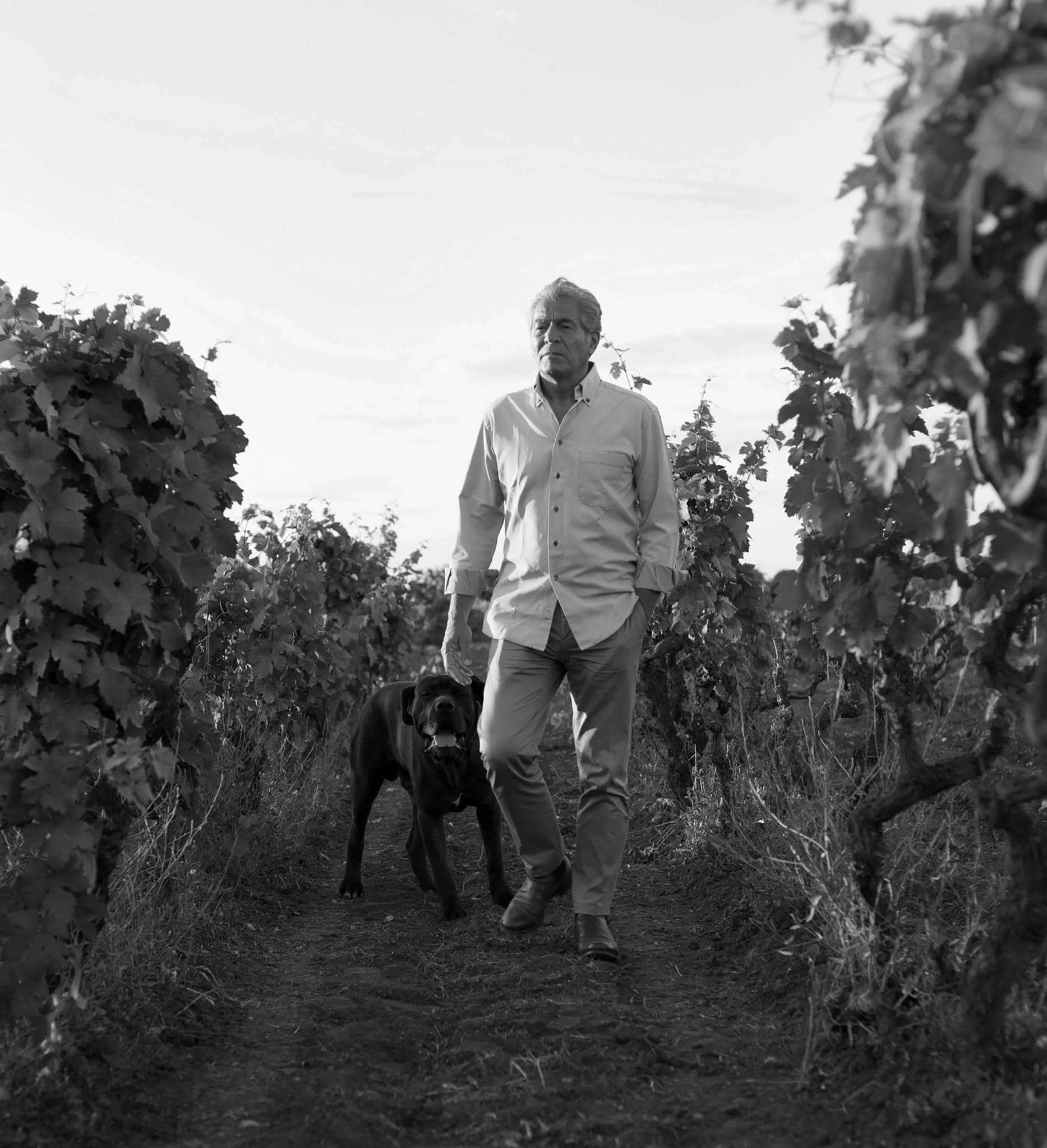
SHABO Winery is the oldest Ukrainian winery in the village of Shabo, and it is just under a two-hour car ride from the port city of Odesa, located on the western part of the Black Sea (with an estuary on the other side) in the south of Ukraine. CEO and co-founder of the modern age of SHABO, Giorgi Iukuridze, said that the area first had vineyards planted by ancient Greeks more than 2,500 years ago on the coast of the Black Sea. Then, Swiss colonists settled in the village of Shabo and started a movement toward quality vineyard plantings and management and higher-quality winemaking, and that was the very beginning of the SHABO legacy. However, during Soviet times, the wines were restricted to the Iron Curtain. Still, on a positive note, it was mainly used as research vineyards, helping to discern the best grape varieties to grow on the estate.

Giorgi Iukuridze
Courtesy of SHABO Winery

Yet there was a big turning point for this winery in 2003 when the Iukuridze family, a Georgian family, from the country of Georgia, who immigrated to Ukraine, bought the estate and proceeded to invest over 110 million euros from 2003 until 2019, significantly improving the vineyards, updating the winery as well as building two more wineries that are specific for their sparkling and brandy production as well as building a hospitality center that is on the same impressive level as top producers in Napa Valley. But what is remarkable is the idea of the humble beings of the Iukuridze family as Giorgi’s father, Vaja, was a Georgian winemaker before he decided to buy SHABO, and all the money they have invested as a family comes from loans and their only business is SHABO, hence all of their focus is devoted to their wines.

Giorgi spoke about the great lengths they go to to ensure that all bottles are consumed by their customers who want to age the bottles. They offer cellaring within their facilities, and they taste all the wines and vintages meant for aging every year so they can report to their customers whether they should hold or drink particular bottles.

The wonderful quality of their wines, made from various international and local grape varieties, has already started to greatly impress a few U.S. markets, such as Washington D.C.  Recently, SHABO has become listed on a wine list at Imperfecto, a Michelin restaurant in Washington, D.C..

Giorgi lukuridze
Courtesy of SHABO Winery

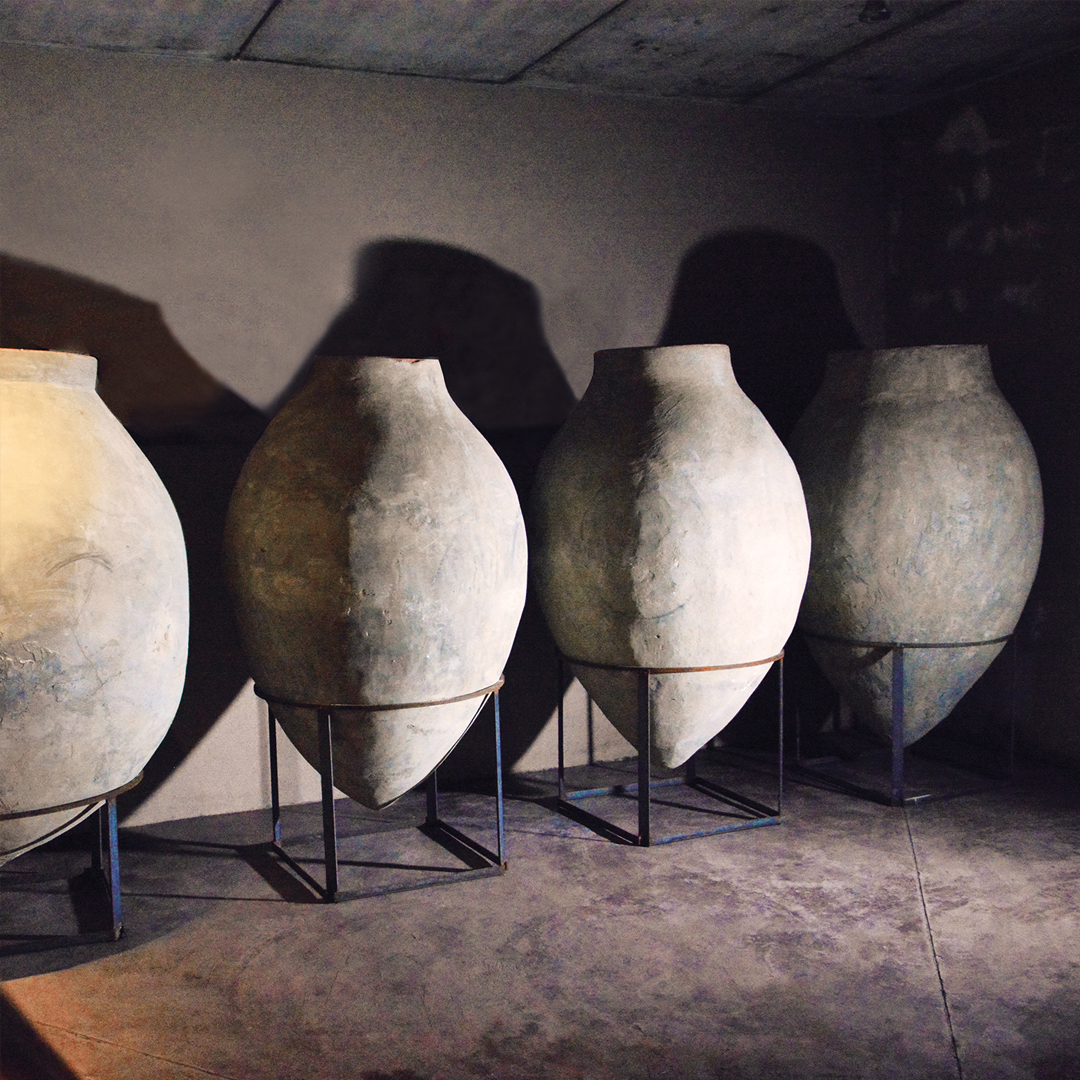
SHABO’s white Telti-Kuruk, with its mineral edge and ability to age, is a stunning example. The red Saperavi grape native to Georgia, sharing roots with the Iukuridze family, is blended with Merlot and spends time in qvevri (a traditional Georgian clay vessel used for fermenting and aging wine) and is a wine with the ideal balance of multidimensional aromas and texture yet still being delectably delicious; its biggest issue has been keeping it in stock. They have brought 30 qvevri from Georgia to use in some of their winemaking.

Giorgi Iukuridze’s father already has extensive Georgian winemaking experience, so he knows how to find the balance when making Qvevri wines. Yet they took a further step by bringing in the legendary French consultant Stéphane Derenoncourt to oversee their teams and guide them towards excellence.

U.S. Debut

Despite SHABO doing very well in Europe over many years, even garnering key placements at Michelin restaurants in London and Paris, as well as having their Cabernet Sauvignon featured at the famous wine museum, La Cité du Vin, in Bordeaux, France – the esteemed home of Cabernet Sauvignon, it took longer to get these wines into the U.S.. But that isn’t that surprising considering the over-saturation of the wine market in this country and the logistical nightmare of importing alcoholic products as each state functions like its own country.

Wide view of SHABO
Courtesy of SHABO Winery

But that all changed when Sam Lerman, an American military veteran, decided to volunteer as a wartime advisor by going to Ukraine in April 2022 on his own dime. Serendipitously, he wound up meeting a Ukrainian entrepreneur and eventually brought on a retired U.S. Marine who was also a career entrepreneur to import Ukrainian vodka and, to his initial shock, great Ukrainian wines, as Sam had no idea that they made wine, let alone ultra-premium level fine wine. That is how he connected with the Iukuridze family and established their U.S. import company, which focuses on Ukrainian products called Spyrt Worldwide.

Pleasure & Purpose

Spyrt Worldwide and SHABO are tied together by not only wanting to show the U.S. the amazing quality of wines made in Ukraine but also making real changes under desperate circumstances. Since a large part of Spyrt Worldwide’s mission is to help the Ukrainian people, they partnered with Invictus Global Response, which is made up of American veterans specializing in bomb removal. They go to liberated Ukrainian towns and clear landmines, and Sam notes that a significant amount of their profits go to this project.

SHABO’s main mission was to show Ukrainian excellence, but that mission has evolved to include saving lives as well, and they have been supplying bottled, clean water to towns that have been cut off from their water sources in Ukraine.

Not every day does one get to witness a true synergetic pair bring thrilling wines from a place that is on many minds yet is still unknowingly making great wines and, simultaneously, genuinely saving lives. Hopefully, one day, way in the future, the head of a Ukrainian family will open a special bottle of cellared SHABO wine with his grandchildren, who have just become young adults, to toast to their glorious country, Ukraine, toast to never taking freedom for granted and to toast to being one of the lucky ones who was able to survive so he could live to have children and grandchildren… and a big part of that luck was the lifesaving projects sponsored by those behind that SHABO wine. 

Grand Reserve, Blanc de Blancs Brut
Photo Credit: Cathrine Todd

2016 SHABO, Grand Reserve, Blanc de Blancs Brut Sparkling Wine: 100% Chardonnay using the Champagne Method and aged eight years on the lees. Intense minerality with tantalizing notes of brioche and rich peach pie flavors on the palate with fresh acidity and a creamy texture formed by tiny, fine bubbles.

2023 SHABO, Telti-Kuruk Reserve
Photo Credit: Cathrine Todd

2023 SHABO, Telti-Kuruk Reserve White Wine: 100% Telti-Kuruk – a white native grape variety. A terroir-driven nose with wet river rocks, crushed limestone and wildflowers with lemon curd flavors and marked acidity that has a broad body balanced by lots of vitality.

2022 SHABO, Telti Kuruk Grande Reserve White Wine: 100% Telti-Kuruk that has been barrel fermented in French oak. Sea spray, lemon confit and a hint of spice with quince paste and mandarin oil on the palate with more texture to the wine than the Reserve, giving it a beautiful shape across the long finish.

2019 SHABO “Iukuridze Family Wine Heritage” Telti –Kuruk
Photo Credit: Cathrine Todd

2019 SHABO “Iukuridze Family Wine Heritage” Telti –Kuruk, Exclusive Release White Wine: 100% Telti-Kuruk. Giorgi Iukuridze noted that their top Telti-Kuruk will reach their peak of complexity in five to seven years and stay there for eight to ten years, yet in some cases, it can age a lot longer. And so, they have wines that they hold back for small batch releases once they have more age, such as this Telti-Kuruk “Iukuridze Family Wine Heritage” exclusive release. Multilayered aromas of honeycomb, seashell and hazelnuts with pear tart flavors and bright acidity with a very long finish of saline minerality.

2023 SHABO, Rosé Wine: 100% Pinot Noir. Freshly picked raspberries and strawberries with an uplifting aroma of lavender with a nice amount of weight yet still very minerally with mouthwatering acidity.

2022 SHABO, Qvevri Wine, Saperavi-Merlot
Photo Credit: Cathrine Todd

2022 SHABO, Qvevri Wine, Saperavi-Merlot, Limited Edition Red Blend: 40% Saperavi and 60% Merlot and spends six months in qvevri buried in the ground. Saperavi is a teinturier red wine grape, meaning it has red flesh as well as a red skin. Deep, brooding flavors are the first to reveal themselves with blackberry compote and black raspberry liqueur, which finds harmony with added layers of zingy tart cherry and orange peel that is grounded by smoldering cigar and graphite that is irresistibly juicy and flavorful while delivering so much complexity.

2023 SHABO, Cabernet-Merlot Grande Reserve
Photo Credit: Cathrine Todd

2023 SHABO, Cabernet-Merlot Grande Reserve Red Blend: 82% Cabernet Sauvignon and 18% Merlot. This wine is aged in 70% new French oak and 30% 2nd use barrel. Many times, when there is a new, exciting wine country in the U.S. marketplace, there is the feeling that they should only show their native grape varieties and stay away from the most popular international grape varieties as the market is saturated with them. However, once this wine is tasted, it becomes obvious why their Cabernet wines have won competitions and awards, as well as a place at the famous Bordeaux wine museum, La Cité du Vin. Enchanting black and red fruit starts to waft from the glass with notes of cassis and blackcurrants with tobacco leaf and licorice that has lively acids with an impressive density that has precision created by finely sculpted tannins with a long, expressive finish that is reminiscent of blooming jasmine during an evening stroll. 

Posted in Dame Wine | Tagged | Leave a comment

Tuscan Wine Created By Napa Valley And Tuscany Leaders Celebrates 30 Years

The clipping of grape bunches off the vines created a rhythm as if the harvesters performing these acts had synchronized a symphony of earthly beauty. A light rain started to fall from the sky adding to the musically relaxing sounds and as quickly as the rain appeared, it then vanished with a rolling fog that came across the vineyards, creating a dramatic effect as the golden sun beamed from the sky and banished the mist as it was time for the vines to absorb the sun. As the golden hue intensified, there were sounds of creatures within the dense forest surrounding the vineyards, sounds like grunts from a couple of boars, and then it shifts swiftly to the sounds of waves crashing against jagged rocks from the sea as the sunset painted the sky with glorious shades of orange, pink and red.
A stunning film transported the audience of wine professionals to the vineyards of the enchanting area of Montalcino within the region of Tuscany, Italy, as they sat in a room within the prestigious Christie’s Auction House in Manhattan, New York City. Three decades of Tenuta Luce’s Luce della Vite wines would be tasted under the guidance of the winemaker Alessandro Marini, showcasing the different vintage expressions of a wine that dared to combine two renowned grape, polar opposites to each other, that seemingly would never find a harmonious partnership: Sangiovese and Merlot.

Winemaker Alessandro Marini
Photo Credit: Gabi Porter

Yet under the leadership of two iconic wine families, Frescobaldi and Mondavi, each with an impressive history in Tuscany and Napa Valley, respectively, these two varieties seamlessly enhanced each other. Unfortunately, the great titan Robert Mondavi passed away in 2008, but the Frescobaldi family still honors his legacy because as partners, they were able to create a very special wine that has only become better over the past 30 years.

Sangiovese & Merlot

The Frescobaldi family is one of the oldest winemaking families in Italy, with 700 years and 30 generations in Tuscany and today they own several wine estates within the region, hence, very few know more about Tuscan wine or the Sangiovese grape variety, which finds its classic home in Tuscany, than Frescobaldi. However, they also have half a century of experience with the Merlot variety, as their CastelGiocondo estate has been making 100% Merlot wines since the 1970s. And even though most Italians would say that no grape can compare to Sangiovese, there is a strong case to make for Merlot – as one of the most sought-after wines in the world, many times breaking records at auction houses, is Château Pétrus, an often times 100% Merlot (sometimes a couple of percentages of Cabernet Franc are added in certain vintages) from the Right Bank of Bordeaux, France.

The one wine that could challenge Château Pétrus would be Masseto, a 100% Merlot planted on a stellar estate in Bolgheri, Tuscany, also owned by the Frescobaldi family.

Tenuta Luce estate
Photo Credit: Tenuta Luce

The Luce estate is located in the southwestern part of the hill town of Montalcino, which is the warmest area and known as the wildest, as it is mainly taken up by forests. The winemaker of Luce, Alessandro Marini, said that during the summer, the climate could be desert-like, with days getting as high as 95 Fahrenheit and it has one of the biggest diurnal swings in temperature for nighttime in the area as it will drop to 60 Fahrenheit – over 30 degrees difference. Alessandro remarked that this is an ideal situation for the vineyards as the grapes get a “push for ripeness” during the day, yet the cool night helps retain acidity and aromatics.

Their Sangiovese vines are planted on schist soil, which the grape loves as schist is good at retaining heat, which helps to ripen the grape while also providing moisture during dry periods. The Merlot is planted on clay, and the top vineyards of the world for Merlot are often clay dominant as it’s cooler since it is more compact as the water in the soil evaporates more slowly, keeping it at a lower temperature than looser soils. Merlot can tend to get over-ripe, so the cooler soil helps to moderate the ripening process, making sure to produce a Merlot that is more harmonious and elegant; also, the varied elevation of the property encourages an overall finesse to the wines as it ranges from 885-1,371 feet.

30 Years Of Luce

The vertical showcased a range of vintages to show Luce’s ability to shine in various circumstances. For example, 1994 represented the beginning of this remarkable experiment (1993 was the first vintage) so they were still finding their way in the early days. But even with a small jump to 1999, there is a significant increase in quality, and the wine is wonderful. They did not shy away from showcasing a weaker vintage for Montalcino, such as 2002, which was forecasted to not age so well yet was impressive with its layered complexity and illustrated that great producers will always make a high-quality wine in every vintage, it is just a matter of whether some vintages are more extraordinary than others. When it comes to extraordinary vintages, they generously presented such outstanding years as 2009, 2015, 2016 and 2019 that dazzled and the newly released vintage, 2022, is simply a knockout.

Not only was the space where this momentous tasting took place a breathtaking venue but just walking through the halls of the Christie’s Auction House in Manhattan was a powerful experience as exquisite works of art were displayed along the way to this epic event. It was fitting to have such paintings by preeminent artists, who were revolutionary in their own ways during their time, lighting the way in a sense to this wine tasting of preeminent wine families, who created their own revolution of excellence.

Lineup of Luce wines
Photo Credit: Gabi Porter

2022 Luce, Luce della Vite, Toscana IGT, Tuscany, Italy: Blend of Sangiovese and Merlot. Multi-layered rich fruit flavor of blueberry scone drizzled with raspberry coulis and dark chocolate covered cherries that is highlighted by spicy notes of cinnamon toast and an intense minerality with very fine tannins and bright acidity yet plenty of structure to indicate this wine will have a long life.

2019 Luce, Luce della Vite, Toscana IGT, Tuscany, Italy: Blend of Sangiovese and Merlot. Effusive red fruit intertwined with notes of rose oil immediately enchants with fresh crunchy fruit on the palate with complex notes of asphalt and tobacco leaf that has incredible precision on the finish with a long-expression of aromatics.

2016 Luce, Luce della Vite, Toscana IGT, Tuscany, Italy: Blend of Sangiovese and Merlot. A showstopper of a wine that is at once deliciously decadent while also being regally elegant with concentrated flavor of blackberry cobbler balanced by hints of Mediterranean scrub and grilled herbs that has succulent fruit on the palate that is given shape and drive by powerfully chiseled tannins and has a long, flavorful finish with an overall radiance that lifts the wine.

2015 Luce, Luce della Vite, Toscana IGT, Tuscany, Italy: Blend of Sangiovese and Merlot. Plush mulberry fruit delights from the first taste with a thrilling note of scorched earth that has silky tannins that caress the palate creating an exceptional textural experience.

2013 Luce, Luce della Vite, Toscana IGT, Tuscany, Italy: Blend of Sangiovese and Merlot. Aniseed, cinnamon stick and dried cranberries invite one to delve into the chewy tannins that releases savory flavors, such as roasted eggplant, to intermix with the sweet qualities of the wine.

2009 Luce, Luce della Vite, Toscana IGT, Tuscany, Italy: Blend of Sangiovese and Merlot. A gorgeous nose of violets and jasmine with dense fruit of raspberry liqueur and intoxicating notes of black truffle with an exciting hint of soy sauce wrapped up in supple tannins that leaves one in a decadent afterglow. 

2005 Luce, Luce della Vite, Toscana IGT, Tuscany, Italy: Blend of Sangiovese and Merlot. Starts out with savory aromas of herbs and wild mushrooms that morphs to brambly berries with a hint of forest floor and licorice on the finish that has lots of tannins with a lovely round quality that gives volume to this full-bodied wine.

2002 Luce, Luce della Vite, Toscana IGT, Tuscany, Italy: Blend of Sangiovese and Merlot. A wine with multidimensional aromas with graphite and sandalwood on the nose with a delicious touch of bacon fat that has a slight grip to the structure with fresh blackberries bringing a nice vitality to the multitude of complex notes.

1999 Luce, Luce della Vite, Toscana IGT, Tuscany, Italy: Blend of Sangiovese and Merlot. Vibrant red fruit and basil leaf on the nose that jumps out of the glass yet gets dark and brooding on the palate with mulberry compote and an underlying hint of balsamic herbs with a broad palate.

1994 Luce Toscana IGT, Tuscany, Italy: Blend of Sangiovese and Merlot. Dark garnet color that has a ruby rim with intriguing notes of smoldering cigar and singed sage leaf with plenty of fruit left on the palate with flavors of cherries jubilee and medium weight to the body.

Posted in Dame Wine | Tagged , | Leave a comment

Woman’s Wine Journey From Bolivia To California’s 100-Year-Old Vines

Over 150 years ago, the idea of the American Frontier, a.k.a. the Old West, was a dream for those who had limited opportunities in their own land; it was the chance to build a much better life through hard work without having one’s social standing get in the way. That dream mainly existed in California, and even today, it is a state that has encouraged entrepreneurial innovation across many sectors. It is also a relatively new winemaking area that showed the world that great wines weren’t limited to European borders.

One woman, Susy Vasquez, experienced her own version of a modern-day American Frontier journey as she traveled to California from Bolivia to gain more experience with sustainable agriculture with a side benefit of improving her English, which she knew would open up better job prospects once she went back to Bolivia. Her focus was originally geared towards crops to be consumed as food, and the notion of making wine never occurred to her. Yet a friend introduced her to an American man, David, who would be the impetus to place her life on another track.

Life Has Other Plans

Susy Vasquez
Photo Credit: LangeTwins

She wasn’t interested in a romantic relationship then as she had always intended to go back home, so she only hung out with David as a friend. He also worked in agriculture but focused on growing grapes for wine, which was interesting to Susy, and brought to her attention that there was an intern opportunity with E. & J. Gallo Winery, one of the most successful wine companies in the world. The position was geared towards organic viticulture, which was very exciting to Susy, and she could work for a top company on the cutting edge of sustainability.

Susy’s boss at Gallo, who used to be a professor at U.C. Davis, was always on the lookout for talent and came to her to offer a position that would involve being a liaison between the vineyard team and the winemaking team. “I don’t know anything about fermentation science,” answered Susy, who was quite taken aback by the request. And her boss replied, “Well, we are going to send you to U.C. Davis.” So Susy ended up taking winemaking classes at Davis, and then, she really got a fantastic education working in a lab for Gallo that took the grapes from the vineyards and put them through all of the winemaking stages, evening bottling the wines. Gallo has miniature equipment, even a small bottling line, within the lab; that way, they could do their testing at every stage with small batches. Since Gallo grows grapes all over California with various grape varieties and styles of wines, it gave Susy a chance to understand the nuances of precision winemaking for multiple styles.

LangeTwins In Lodi

Brad and Randall Lange
Photo Credit: LangeTwins

Through time, Susy never ended up going back to Bolivia permanently as she went on to oversee entire wine programs at other wineries in the highly competitive California wine industry. Finally, she found her new home in Lodi, California, at the family winery LangeTwins.

Lodi has a special history – the first vineyard was planted there in 1850, and today, it has a high concentration of old Zinfandel vines, with the oldest dating back to the 1920s. The farmers in Lodi have always been ahead of the curve when it comes to sustainability, and they started America’s original sustainable winegrowing program in the early 1990s. And because it is such a diverse winegrowing region, there are around 125 grape varieties in production; it is an ideal place for Susy, who loves to work with various varieties as well as making sustainability a major mission in her life, especially at such a multi-generational winery as LangeTwins.

Lange twins with grandson
Photo Credit: LangeTwins

LangeTwins is run by twin brothers and their adult children; their great-grandparents came to Lodi in the 1870s to farm non-irrigated watermelons. As a family, they purchased their first vineyard in 1916, and through each generation, have evolved to make more premium wines with a site-specific approach. Today, they are committed to keeping this a thriving generational business and they have committed to ambitious environmental projects such as removing 60 acres of vineyards as they would like to increase the biodiversity, enrich the soil and improve the watershed through regenerative farming – just one of the many admirable programs they have implemented.

Susy has been making wine for over 19 years, which seems shocking considering her vibrancy and overall glow when she talks about her job as a winemaker at LangeTwins.

Because it is not old hat, and if anything, it has kept her young while accumulating lots of knowledge and experience, making her an incredible leader. She remembers how hard it was when she was younger and had her second child, as she was passed up for promotions and felt guilty knowing that it could cause issues for her job. She loves her job and feels so lucky to be in the position she is in today, but it was challenging, and she doesn’t want any young woman working for her to go through what she had to go through. She reassures everyone who works for her that they are part of a team and that means that if someone has a baby or any major life event or crisis, others will step up and cover them, and the favor will be returned.

Laid Out In The Past

It was heartwarming to hear Susy reminisce about all those years ago when she first became friends with that American man, David, who introduced her to wine and the opportunity at Gallo. Even though she thought they were just friends hanging out whenever it was convenient and easy, she didn’t realize that he lived over two hours away and would come to see her almost every weekend to hang out. Then, when she took a trip back home to visit her parents before she started at Gallo, he told her that he would visit her, which she quickly dismissed as so many people she knew in California said they would come to Bolivia but never ended up coming. But one day, she got an email from David saying he was coming, asking if he had a good itinerary and attached a copy of his plane tickets to show her that it was true. He said he wanted to see her at home, in her environment, but even after all that, she still thought she would return home after Gallo.

Susy hadn’t talked about those memories in years because she is too focused on the present, as she has two kids, the oldest 16 years old, and yes, she ended up marrying David and he has been on this journey with her since that time. Sometimes, one’s future starts to get laid out unbeknownst to that person, but it is all crystal clear when revisiting the past. Who she would marry or where she would live were not the only things that weren’t clear during that time, as she couldn’t even see her potential as an important leader who would make the road more possible for others.

LangeTwins lineup of wines
Photo Credit: Cathrine Todd

2023 LangeTwins “Sand Point” Sauvignon Blanc, Lodi, California: 100% Sauvignon Blanc. This wine really punches above its weight retailing at only $12 with a refreshing zesty quality enhanced by tropical notes such as lemon sorbet and green mango flavors with mouthwatering fierce acidity balanced by a nice amount of weight on the palate.

2024 LangeTwins, Grüner Veltliner, North River Vineyard, Mokelumne River AVA, Lodi, California: 100% Grüner Veltliner (white grape originally from Austria) from the single vineyard North River, which is located in the sub-region of Mokelumne River – one of Lodi’s cooler climates. Susy noted that for each vintage, they will decide what parcels to bottle as a single vineyard; for example, this Grüner Veltliner for some years will make a better blending partner for their white blends so that no single vineyard will be made, but 2024 was ideal for this Grüner Veltliner plot. Aromas of intense minerality with notes of pear drop and hints of white pepper with a softer acidity than the Sauvignon Blanc on the palate, yet it is still vibrant with a broad body with lemon curd flavors.

2022 LangeTwins “Ivory & Burt” Old Vine Zinfandel, Lodi, California: 100% Old Vine Zinfandel. Another steal retailing at $16 as it has a nice amount of complexity and brightness that makes this wine irresistible with ripe strawberries flecked with cracked black pepper intermixed with the richness of blackberry preserves flavors that is lifted by bright cranberries with an underlying note of rocky gravel.

2020 LangeTwins “Midnight Reserve” Bordeaux Bend. Lodi, California: 55% Petit Verdot, 44% Cabernet Sauvignon and 1% Cabernet Franc. This is one of LangeTwins’ top wines, and it changes its blend every year, yet Bordeaux varieties are always represented. 2020 was a spectacular year for Petit Verdot, which is why there is such a large percentage. Multilayered aromas of cocoa nibs, cassis and tapenade that has a slightly firm structure give shape and focus to the wine balanced by plush fruit and a juiciness that has a long finish leaving espresso notes in one’s head.

Posted in Dame Wine | Tagged , | Leave a comment

California Pinot Noir Wine Producer Starts To Make Wines In Burgundy

Wild berries, forest floor, bright red cherries, minerality, morel mushrooms, floral notes, cassis and a lot more minerality… nothing on earth can produce the magically ethereal aromas that great Pinot Noir wines can evoke. The wine has broken more hearts than most, as once one experiences one of those bottles that transcends the drinker, they spend the rest of their lives chasing other bottles that live in the shadow of its outstanding predecessor. It is a very challenging grape variety both to grow and handle in the winery, and things can go south with it very quickly. Hence, only those who are madly in love with the grape are crazy enough to try to reach for that elusive dream – to make life-changing Pinot Noir wines.

Julien Howsepian at harvest
Photo Credit:
Leigh-Ann Beverley Bona Fide Productions

It was life-changing for Julien Howsepian, who graduated from U.C. Davis with a Bachelor of Science in Viticulture & Enology in 2008 and worked at various places to find where he belonged in the wine world. In 2012, he ended up at Kosta Browne, located in Sebastopol, in the Russian River Valley AVA, in Sonoma County, California. There, he was introduced to wines that went beyond his imagination, and he finally found his home, a home where he eventually became the winemaker.

And it has become a great match, as Kosta Browne has, through the years, zeroed in on the intricacies of each vineyard and expressed the nuances of specific plots. It takes a particular individual to have the drive and focus to oversee all the key decisions in their vineyards and be on top of critical moments in the various winemaking stages of each vessel of wine. But through the years, Kosta Browne has become relentless in their pursuit of perfection and Julien is the right person for the job as his passion has no limits.

And now, Julien is given a second jolt of energy that is only equaled to his early days at Kosta Browne, as they are making wines in Burgundy through a very special partnership with a multi-generational Burgundy négociant, and Julien is in heaven taking in all the wisdom from the motherland of Pinot Noir and Chardonnay.                                                       

The Journey Towards Elegance

Gap’s Crown Vineyard
Photo Credit: Kosta Browne

Kosta Browne Winery might have started off humbly with two co-workers, Michael Browne and Dan Kosta, who worked for the legendary Sonoma restaurant John Ash & Co., placing their tip money in a jar to buy their first grapes to make wine, but they went on to establish Kosta Browne in 1997 and then, to their surprise, received high scores for their 2003 Pinot Noirs. Yet, with any colossal success, there can always be backlash, with some criticizing the higher alcohol levels. Yet, Michael Browne has noted that the higher alcohol was initially an accident as he “couldn’t get ahead of the picking schedule,” and so they harvested a lot later than they intended; ironically, it was a great success for the times as high-end tasters of Pinot Noir had never tasted anything like it. Through time, Michael and Dan started to move towards a more elegant, fresher style of Pinot Noir without losing its depth and complexity.

Kosta Browne night harvesting
Photo Credit:
Leigh-Ann Beverley Bona Fide Productions

And now, under new ownership with Julien at the helm, Kosta Browne has become laser-focused on precision in their farming practices for the premium vineyards they either own, lease or have contracts to purchase fruit, and finding a balance between having a low intervention approach when it comes to winemaking that involves native fermentations yet having an eagle eye over each vessel, as sometimes the temperature needs a slight bit of raising or lowering. Or in a few cases, when it seems like the fermentation is slowing down, Julien and his team will bring that vessel outside, and for reasons that go beyond the temperature change, it perks right up in the fresh air, surrounded by nature. It is all part of their mission for “terroir-driven wines” that truly speak to their mantra: root-to-bottle.

Visiting The Motherland

A few years back, the leadership at Kosta Browne wanted to learn more about European wines, so they focused on tasting and discussing the top wine regions. After the devastating 2020 California fires, they decided they would get a lot more serious about potentially making wines in Europe, so they traveled there to immerse themselves in a few of the wine regions that most piqued their interest.

Julien said they were “blown away” by Europe’s history and way of life, and many wine regions greatly impressed them, yet the wines of Burgundy, France, took them to a level that they could only imagine. And it was fitting that such a legendary Pinot Noir wine producer would try to be part of the motherland of this very special red grape variety. But it was far from easy, as Burgundians are well-known for not liking outsiders, as they do not want their way of life of focusing on small plots with multi-generational wine families to ever change. But there has already been the forming of cracks in their way of life with families not being able to afford the property taxes, and soon there will be hard decisions of either allowing large French conglomerates to continue to buy vineyards or allow smaller foreign operations to purchase wine estates.

But there is another alternative, one that allows growers to keep their land while making a livable income that allows multi-generational producers to maintain a viable business that future generations will be eager to take over, and that is for foreigners to purchase grapes, or in some cases, purchase already made wine. And that is precisely what Kosta Browne did.

Vineyards in Sta. Rita Hills
Photo Credit: Rachid Dahnoun

The leadership at Kosta Browne has a relationship with a Burgundy négociant/producer, who not only sources grapes to make his own wine but also sources wine from small family wineries, yet he will still play an essential part in aging the wine in oak. This Burgundy négociant/producer has asked to be kept anonymous, as it is looked down upon to work with foreigners in Burgundy. After going through many samples, they started buying wines already made by this Burgundy colleague in 2020. In 2022, Kosta Browne bought their own grapes, vinified different lots in their colleague’s winery and aged in his cellar. Today, they are selling their 2022 Burgundy wines to their customers, bringing the motherland of Pinot Noir to California – a place known for several different outstanding expressions of the grape from distinctively diverse regions throughout the state.

It has become a debate in recent times if keeping foreigners from purchasing Burgundy estates really helps the locals, as French conglomerates have been paying a fortune for famous vineyards and producers, raising the cost of living for those in the area as property taxes have become astronomical over time. But, at least in this case, the leadership of Kosta Browne has a relationship with someone in Burgundy who has been sourcing wine and making it for generations. Julien was quick to point out that they are being as respectful as possible by taking it slow, first buying already made wine, learning through tasting and spending time in their counterpart’s Burgundy wine cellar, then purchasing grapes that they made into wine themselves and looking for lesser-known gems that, through their Pinot Noir experience, will make great wine with a strong sense of terroir, a.k.a. place, as they wanted to prove their commitment before they start going after legendary vineyards.

Julien is fascinated by all facets of making wine in Burgundy and he always asks their partner in Burgundy about every little thing as there are so many differences. He noticed that there was always a “02” at the end of all the lot numbers for the Kosta Browne barrels of wines, so one day, he asked him about it. His Burgundy partner told him that the “02” at the end indicates that it is for Kosta Browne and it seemed to Julien to represent a second spark that reinvigorated this multi-generational négociant/wine producer. The Burgundy Kosta Browne project started in the middle of the pandemic when times were really tough for their Burgundy partner and even though he was initially weary of getting involved with a foreign wine producer, it became “his oxygen” injecting a “jolt of fresh energy.”

Sometimes, one has to go through the toughest times to realize that the unthinkable option is the best for the future for oneself and one’s family, as well as the community one adores. When the world is falling apart, all the illogical perceptions fall away, leaving only what matters standing, and that which matters is no longer veiled by those perceptions. Hence, it becomes a shining light for those willing to take the leap for a better tomorrow.

Kosta Browne wines
Photo Credit: Shea Evans

Kosta Browne makes excellent Pinot Noir wines but their Chardonnay wines have come a long way with an intense sense of minerality, freshness and overall elegance. The two wines below are made from 100% Chardonnay, which ideally expresses all those attributes, and they have also added a Chablis Premier Cru to their Burgundy to their portfolio.

2021 Kosta Browne, Sparkling Wine, Blanc de Blancs, Keefer Ranch Single Vineyard, Russian River Valley, California: 100% Chardonnay. This wine is unfiltered and showcases Kosta Browne’s commitment to minimalistic winemaking, which is made using the Champenoise method. 20% aged in Austrian oak foudre and 9% new French oak. Enchanting aromas of citrus oil, wet stones and a delicate floral notes of white flowers that has a creamy texture and peach cobbler flavors with very fine bubbles that lightly tickle the palate lifted by crisp acidity. 

2022 Kosta Browne, Chardonnay, El Diablo Vineyard, Russian River Valley, California: 100% Chardonnay with 100% whole cluster direct pressed with 46% new French oak. Lower yields give more concentration, while the higher elevation, averaging around 500 feet, retains high acidity. Delectable notes of spiced toast and lemon curd with underlying notes of minerality with nectarine crumble and quince paste with the rich flavors perfectly balanced by marked acidity and a long, flavorful finish with lots of vibrant tension.  

California Single Vineyard Pinot Noir wines are listed below:

2022 Kosta Browne, Pinot Noir, Gap’s Crown Vineyard, Sonoma Coast, California: 100% Pinot Noir. This is Kosta Browne’s flagship wine, with them owning 30 acres of the Gap’s Crown Vineyard at various elevation levels. Anise seed cookie aromas entice the drinker to take a sip with hints of wild tarragon, adding another dimension to this wine with deep flavors of black forest tiramisu topped with fresh red cherries on the palate with some tannic structure, giving lift and drive to this mesmerizing beauty.
2022 Kosta Browne, Pinot Noir, Treehouse Estate Single Vineyard, Russian River Valley, California: 100% Pinot Noir. Treehouse is a 14-acre Russian River Valley estate single vineyard within the sub-region of Green Valley. Kosta Browne attained a 30-year lease on it and it is tucked away among massive redwoods and bordered by striking cypress trees. Intense minerality on the nose and exciting hints of truffle and violets give it an epic bouquet that combines two intoxicating fragrances that has a brilliant acidity that lights up this wine, as Green Valley is one of the cooler sub-regions in Russian River Valley, with raspberry liqueur flavors that has impeccably chiseled tannins that is like delicate lace.

California Appellation Pinot Noir wines are listed below:

2022 Kosta Browne, Pinot Noir, Sta. Rita Hills, California: 100% Pinot Noir. Despite California already having some outstanding wine regions such as Sonoma Coast and Russian River Valley, by the time Sta.Rita Hills, in the Central Coast, was brought to the attention of wine drinkers, yet it still quickly became a favorite among Pinot Noir enthusiasts. A cool climate area with plenty of sunshine, yet the fog and intense winds, which also help to lower the chance of fungal diseases, helps to keep temperatures cool, allowing for a longer growing season. This is an incredibly excellent example of why people love Sta. Rita Hills as it is really juicy with lots of fresh, pristine fruit balanced by mouthwatering acidity and round, silky tannins that has delicious flavors of blueberry muffins, crushed rocks and a hint of orange zest.

2022 Kosta Browne, Pinot Noir, Russian River Valley, California: 100% Pinot Noir. Russian River Valley Pinot Noir took the world by storm with its irresistible lushness and decadently rich flavors. Still, there are a lot more nuanced differences among the different sub-regions within Russian River Valley that are sometimes referred to as “neighborhoods,” and even within those neighborhoods, there can be distinctive differences among the vineyards. Some can have a lot more acidity and definition than others. This wine is a blend of eight different vineyards that give it an overall harmonious quality that first starts with a multilayered nose of cinnamon stick, blackberry compote and mossy bark with tannins that are seamlessly integrated creating a texture that is lush in its tactile expression yet the fresh acidity gives a vibrancy that makes this luxurious experience one filled with a tremendous amount of vitality.

Burgundy Pinot Noir wines are listed below:

2022 Kosta Browne, Beaune Premier, Burgundy, France: 100% Pinot Noir. A blend of Premier Cru vineyards – there are only 42 Premier Crus in the village of Beaune. Enchanting aromas that slowly unfurl in the glass with notes of rose petals, brambly fruit and red cherries laced with a fantastic saline minerality note with a supple texture and a long, expressive finish.

2022 Kosta Browne, Nuits-Saint-Georges, Burgundy, France: 100% Pinot Noir. A village-designated wine that is a blend of various vineyards in Nuits-Saint-Georges, which is known to make darker and bigger wines than the more delicate wines from the village of Beaune. Despite this being a village level, it has a strong sense of place with forest floor, wild morels and crumbled limestone that is fleshed out by ripe black cherries with more prominent tannins than the Beaune, yet they are still refined in quality and just give a bit more boldness on the palate.

Posted in Dame Wine | Tagged , , | Leave a comment

Multimillion-Dollar Winery Built By Wine Icons Produces Elegant Spanish Red Wine

Macán estate in Rioja, Spain
Photo Credit:
Bodegas Benjamin de Rothschild & Vega Sicilia

Nothing seemed more tranquil than driving through the Rioja wine region in north-central Spain, passing lovely bodegas (wineries) and vineyard after vineyard of low-lying old bush vines with their thick trunks and gnarly arms having only a handful of Tempranillo grape bunches hanging. But it was the rocky mountains of the Sierra de Cantabria in the background that gave the place a majestic feeling and this particular trip slowly brought this breathtaking earthly phenomenon closer and closer as the temperature seemed to drop, and so, the eager passengers had to bring their car windows up as the chill in the air made them slightly shiver. After a time, there seemed to be no more bodegas, which once populated the roadside, and only some of the oldest vineyards they had seen so far seemed to be the only living things in existence. Then, like out of a dream, the Sierra de Cantabria Mountains were upon them with the immensity of their enormous size, making everyone feel like ants as they approached one of the most impressive structures they had seen, which seemed to be harmoniously interwoven into the awe-inspiring landscape.

Macán’s small bush vines of Tempranillo
Photo Credit:
Bodegas Benjamin de Rothschild & Vega Sicilia

The Macán Winery’s architecturally impressive buildings lay before their eyes, with the glorious mountains right behind them as if stating their importance, which cost around $34 million, including the several plots of old vines that were slowly accumulated by buying several tiny plots over many years.

Wine Cathedral

Brilliant Spanish architect, Enrique Johanson de Terry, designed the Macán Winery in Rioja, Spain, owned by Bodegas Benjamin de Rothschild & Vega Sicilia SA – representing two of the most famous wine families in the world.

Macán Winery
Photo Credit:
Bodegas Benjamin de Rothschild & Vega Sicilia

It has become one of Enrique’s great masterpieces as it is an artistic representation of the three main activities within a winery: “elaboration, aging and expedition,” which inspired him to have one building represent water (symbolic of elaboration), one represent earth (symbolic of aging) and the third representing the sun (symbolic of expedition). The Water Building has 45 vats of 10,000 liters of oak and stainless steel with the lowest level of the building used for barrel aging the wine; the Earth Building is ideally built to allow cellaring of the wine once it is bottled; the Sun Building is where the main offices are, and so sunlight streams into the space keeping an uplifting environment for employees and guests.

Wood joints throughout the building are painted with Bordeaux wine bringing some of the Rothschild’s “DNA” into the winery. Also, two large matte gray zinc roofs on the Water and Sun Buildings are shaped like a wave, allowing natural ventilation as the local fierce winds blow across the wave-shaped roofs, creating an ideal visual that integrates into the Sierra de Cantabria Mountains seamlessly.

The Soul Of Rioja

Unico Reserva Especial
Photo Credit:
Tempos Vega Sicilia

Pablo Álvarez, family owner and the second visionary of the legendary Vega Sicilia winery in Ribera del Duero, is one half of the partnership of Bodegas Benjamin de Rothschild & Vega Sicilia SA, whose mission has been to bring back the soul of Rioja. It is quite interesting to think that one of the greatest wine producers in the world, Vega Sicilia, the North Star of the Ribera del Duero wine region, would place such a significant amount of money and time into Rioja, since Rioja is historically Ribera del Duero’s fiercest competitor on the international wine market. But Pablo admits he has a great love for Rioja wine, but not just any; he loves those Viña Real wines from the 1950s and 1960s, long-lived wines with lots of acidity and elegance balanced by a pure fruit expression that goes against the bigger, over-oaked international styles.

He found the ideal piece of heaven in Rioja’s smallest sub-region, Rioja Alavesa, which has high-altitude vineyards like one would find in the bigger Rioja Alta sub-region. But its soils have more limestone, and the wines can show higher acidity and more distinctive minerality. Before the Macán Winery was operational in 2016, Pablo bought tiny plots of old vines in the area starting in the early 2000s. Most of the vines are around 50 years old, with some much older; one of the oldest was planted in 1920.

No one knows more than Pablo that it takes lots of time and a tremendous amount of work to reach perfection, as many would already call the Vega Sicilia wines perfection in a bottle. However, Pablo is still not satisfied, and so, through time, the Macán wines have been getting closer and closer to recapturing the soul of this region that he has loved so much in those ’50s and ’60s Viña Real beauties, and one day, he looks forward to when these wines are spoken about in the same way as his beloved Vega Sicilia wines.

Friendship & Wine

The sign in front of Macán Winery
Photo Credit:
Bodegas Benjamin de Rothschild & Vega Sicilia

There is something that is very strikingly different about this winery than the others within the Tempos Vega Sicilia group, and that is the sign right in front of the winery letting the world know that this is where the Macán Winery, property of Bodegas Benjamin de Rothschild & Vega Sicilia SA, lies. Although Benjamin de Rothschild owned a couple of fabulous Bordeaux châteaux that produced lovely wines and he was a well-known passionate figure in the region itself, he never received the acclaim that his other family members have as they ran Lafite Rothschild and Mouton Rothschild. So, his name needed to be out there for the world to see that other Rothschilds are shaping the world of wine. Tragically, he passed away in 2021 at the age of 57.

If there is one thing that Pablo loves just as much as wine, it is the relationships with special people like Benjamin, who could share his dream and take the leap with him. With this project, not only will Pablo’s relentless mission for perfection make Macán one of the greats, but his devotion to Benjamin will ensure his good friend finally gets the worldwide recognition he greatly deserves.

2019 Macán and 2020 Macán Clásico
Photo Credit: Cathrine Todd

2020 Macán Clásico, Rioja, Spain: 100% Tempranillo. Pablo Álvarez and Benjamin de Rothschild decided to create a first and second wine just like the great Grand Cru Classé wines in Bordeaux. This ‘Clásico’ is the second wine of Macán; this vintage showcases the epitome of elegance with a bouquet of raspberries on the nose that is brightened by orange zest that has background notes of oyster shell and forest floor with supple tannins that finishes with incredible precision and vibrancy that makes one’s mouth vibrant in anticipation for the next glass. 

2019 Macán, Rioja, Spain: 100% Tempranillo. The first wine of Macán; 2019 is a rich, concentrated vintage that shows itself with cassis fruit and blackberry compote flavors yet there is still a pure vibrancy to this wine that has layers of fresh red cherry and minerality that give it an overall finesse and freshness with complex notes of Mediterranean scrub and leather creating an intriguing multifaceted depth of flavor across the very long finish that is aromatically expressive.   

Posted in Dame Wine | Tagged , , | Leave a comment

One Of The Best Wines In A Classic Region Improves A Lesser Known Estate

“Calm down, stop growing. Focus on ripening the fruit.”

Sunset at Pichon Comtesse
Photo Credit:
Château Pichon Longueville Comtesse de Lalande

These are the words that winemaker Nicolas Glumineau tells some of his vines, the ones with too much vigor – placing too much energy into growing leaves at the expense of neglecting the grapes. But he doesn’t communicate it with words or music or give it artificial chemicals. Only one teaspoon, four grams, of natural sand called silica is needed to spray two-and-a-half acres and, like magic, the results are immediate: the vine relaxes and stops growing the canopy so it can place all its efforts giving energy to ripen grapes in a balanced way, including the skins and seeds, to turn these grapes into outstanding fine wine. It is a communication between the farmer and the vines that is beyond the scientific knowledge that Nicolas has gained over decades, as he hasn’t found one scientific book that explains this process.

How does it work? Just don’t ask. I just don’t know,” says Nicolas.

Making a Top Wine Better

As a young man who was determined to learn everything he could about the science of growing wine grapes and winemaking, working his way up through top châteaux in Bordeaux, he could have never guessed that he would one day surrender to employing practices that he could never understand. But with age, one goes beyond knowledge and comes into wisdom, letting go of the idea that everything needs to be understood. He is happy as long as he sees the improvement in the vineyards with his own eyes and, more importantly, tastes the improvement in the finished wines. He is unsure if he will ever understand why a tablespoon of silica, a biodynamic preparation, can communicate with the vines in such a direct and precise way.

Château Pichon Longueville Comtesse de Lalande during the day
Photo Credit: Serge Chapuis

Nicolas, general manager as well as winemaker at Château Pichon Longueville Comtesse de Lalande (a Second Growth also known as Château Pichon-Lalande), in the world-famous appellation of Pauillac in the region of Bordeaux in France, has been able to achieve over the past six reviewed vintages, 2016-2022, four 100-point wines for this incredible château, that has made great wines before Nicolas. Still, somehow, he has consistently brought the wines to the next level. Part of it is a new winery facility where they can practice more artisanal practices by fermenting smaller plots from the vineyard. Still, the precision in the vineyards is remarkable, staying on top of every tiny section of their vineyards to give each vine exactly what it needs while becoming organic in the process, and now, practicing biodynamics- something Nicolas, at one time, could have never imagined that he would be a part of.

Château de Pez

Château de Pez and its estate vineyards
Photo Credit: Gunther Vicente

The owners of Château Pichon-Lalande, the Rouzaud family, also owns Château de Pez, located in the appellation of Saint-Estèphe, north of Pauillac in the Left Bank of Bordeaux. The area hasn’t had a long, illustrious history like Pauillac, which is known for some of the most outstanding wines in the world, as there are a couple of problems. First, the main road that goes up to all the grand chateaux in the Left Bank ends in the area of Pauillac. One has to turn onto a tiny side road to even get to the estates in Saint-Estèphe, so it is off-the-beaten-track, but most notably, as many drink these wines without ever visiting Bordeaux, the fierce structure with higher acidity and lots of rugged tannins, that traditionally was kindly referred to as “sinewy,” was an unpleasant aspect for some wine drinkers.

Nicolas Glumineau trying grapes in the vineyard Photo Credit:
Château Pichon Longueville Comtesse de Lalande

Nicolas Glumineau has taken the same extraordinary practices for Château Pichon-Lalande and brought them to Château de Pez, refining them for the different terroir (weather, soil and aspect) to ideally match that estate, and has been able to bring a significant improvement to wines that are an utter bargain on the market and introduced a 2nd selection of Château de Pez simply called “2nd Pez” with a modern label which would have also been unheard of for a traditionally minded Bordeaux wine producer. But at this stage, Nicolas and his team are challenging themselves to make the top wine in the region as well as having a better connection to a wider range of wine consumers.

Intense care in the vineyards
Photo Credit:
Château Pichon Longueville Comtesse de Lalande

But a few estates in Saint-Estèphe have, in recent times, learned to tame those sinewy tannins. Certainly, Mother Nature has helped with warmer temperatures, making sure that all the Cabernet Sauvignon grapes are fully ripe, as opposed to in the past, when it was impossible to ripen one of the main grape varieties for the Left Bank, leaving under-ripe skins and seeds that gave green notes and tough texture in the wines. But today, some in Saint-Estèphe, such as Château de Pez, have been able to bring a finer quality to the structure of these wines and allow the special attributes of this area, such as an intense spiciness and minerality, to come through the wines making them no longer a Bordeaux wine that one bought because it is a lot less expensive, but instead, a wine that some drinkers prefer because they love that spicy, mineral quality and the lower price is just an added benefit.

Even though getting the right lovely quality of tannins involves not over-extracting too much from the grapes’ skins and seeds, a major factor goes back to the vineyards. Again, the intense attention to detail paid to the vines and what each one tells Nicolas and his team is the primary key to making a harmonious, balanced wine with aromatic complexity and exceptional quality tannins.

Nature Has the Answers

Günzian gravel in vineyards formed around a million years ago
Photo Credit: Château de Pez

“We are very close to the ocean, and we are very dependent on tides, the moon cycle, and there is something to that cycle that affects the vines,” says Nicolas, with a slight look of astonishment that these words are coming out of his mouth. He has studied with some of the most legendary teachers in Bordeaux and is part of growing up in an age of rigorous scientific research that has made discoveries beyond his grandparents’ imagination. But he has witnessed with his own eyes what the vines have shown him in terms of what works and what doesn’t.

And so, instead of forcing the vines to his will, manipulating their cycle with unnatural means, he tries to speak to them in the most natural ways possible, trusting that if he gives them what they need to be a balanced, healthy plant, they will produce the best fruit possible. And he has shown the world how well it works, first with the already outstanding Château Pichon-Lalande, displaying that even greatness has room for improvement, and then Château de Pez, who was hiding beneath a mountain of rugged tannins, and now, as those tannins have taken on a more silky quality, a wealth of beauty can shine from these wines.

2019 2nd Pez & 2019 Château de Pez
Photo Credit: Cathrine Todd

2019 2nd Pez, Saint-Estèphe, Bordeaux: 58% Cabernet Sauvignon, 38% Merlot and 4% Petit Verdot. The second wine, the second selection of Château de Pez. Pretty nose of anise seed, blackcurrant leaf, and exotic spice box with fine tannins with blackberry compote, crushed stones and bright acidity with a long finish leaving a note of saline minerality.   

2019 Château de Pez, Saint-Estèphe, Bordeaux: 56% Cabernet Sauvignon, 42% Merlot, 1% Cabernet Franc and 1% Petit Verdot. An elegantly complex nose of smoldering sandalwood incense, violets, wet stones and juicy cassis flavors is balanced by fresh tobacco wrapped in silky tannins and a very long, vibrant finish.

2015 Réserve de Pichon Comtesse, 2014 & 2010 Château Pichon-Longueville Comtesse de Lalande
Photo Credit: Cathrine Todd

2015 Réserve de Pichon Comtesse, Pauillac, Bordeaux: 53% Cabernet Sauvignon, 40% Merlot, 4% Cabernet Franc and 3% Petit Verdot. The second wine, the second selection of Château Pichon-Longueville Comtesse de Lalande. This wine is breathtaking for its overall finesse, especially considering it is a second wine. An enchanting perfume of wildflowers, warm raspberries and cocoa powder that opens to succulent fruit and manicured tannins laced with a minerality that has a gorgeous finish that makes one want to drink the whole bottle.

2014 Château Pichon-Longueville Comtesse de Lalande, Pauillac, Bordeaux: 65% Cabernet Sauvignon, 22% Merlot, 7% Cabernet Franc and 6% Petit Verdot. Multilayered complexity with rosehips, graphite and upheaved earth all intertwined with a well-integrated structure that gives a supple quality and a very focused finish with tremendous energy.

2010 Château Pichon-Longueville Comtesse de Lalande, Pauillac, Bordeaux: 66% Cabernet Sauvignon, 24% Merlot, 7% Cabernet Franc and 3% Petit Verdot. A nose that transports with sea spray, rainforest after a storm and a cooling breeze bringing faint aromas of pine with rich raspberry liqueur flavors and is tinged with fresh leather with a superb length of flavor, sensuous with its velvety texture.

Posted in Dame Wine | Leave a comment

3 Favorite Chianti Classico Wines From 100th Anniversary Tasting

Nothing could overshadow the majestic power of The Grill restaurant in New York City, an official landmark, the last vestige of opulent glamour located in the heart of Manhattan; nothing could overshadow it, nothing…

But sometimes the impossible is only that because the imagination cannot fathom such a thing existing, such as placing such a devastatingly gorgeous place in the background, especially considering that a more understated décor has dominated fine dining restaurants around NYC in recent years. But then one doesn’t expect to encounter such a tasting from one of the most iconic wine areas in the world, 56 Chianti Classico wines in all, going back to the 1949 vintage, coming out in a delightful parade, astonishing wine writers and sommeliers alike in a trade tasting that took place in the morning at The Grill.

Chianti Classico 100th Anniversary
Photo Credit: Cathrine Todd

It was the highlight tasting for 2024 as all of the wines were in great shape, still conveying a sense of fruit, freshness and vitality that was astonishing, especially considering the oldest wine was 75 years old and the youngest was 25. An impressive celebration of the 100th Anniversary of the Consorzio Vino Chianti Classico, which today represents 480 Chianti Classico producers – a group that continues to protect and promote the historical area considered “Classico” in the Chianti area, giving it more prominence over other areas.

All the bottles of Chianti Classico wines were slowly marched out to find their way to glasses that sat in front of excited participants, many having labels that showed their advanced age. The landmark space in which these wines were carefully tasted seemed to fade to the background as if someone was rotating the focus ring on a camera. Only the bottles, the glasses and the slow pouring of the wine seemed to have a visual sharpness and the colors in the glasses ran the gamut from garnet to bright ruby, due to age differences, which would be followed by the most intoxicating, complex aromas that made one giddy even before the first sip. But on that particular day, three wines stood out, seemingly levitating with an astonishing beauty; many who collect and cellar wines know that bottles can have their good, bad and mind-blowing days, and it can be a cycle that goes up and down for many decades.

Those miraculous bottles were the 1969 Castello di Monsanto Chianti Classico Riserva ‘Vigna Il Poggio,’ 1985 Fèlsina Chianti Classico Riserva ‘Rancia’ and 1999 Castello di Querceto Chianti Classico Riserva.

Building A Strong Foundation

Chianti Classico vineyards
Photo Credit:
Consorzio Vino Chianti Classico

The Consorzio Vino Chianti Classico was founded in 1924 by 33 winemakers in the area, which is quite remarkable when one thinks about the timing as it was a handful of years after World War I, breaking up empires, redrawing dividing lines and leaving things in flux for many areas in Europe. The Industrial Revolution had already established itself in Tuscany with major industries like textile manufacturing taking over the region – eventually bringing more prosperity to some while destroying many others who were mainly part of the agricultural society that dominated the economy for so long. And so, while it seemed that any small family-run farming was doomed to fail and many abandoned their land to pursue a stable income in the cities, a group of family wine producers in Chianti Classico decided to give everything to their wines, as the whole purpose of their lives was to build on the glory of these historic wines.

Sangiovese grape vine
Photo Credit:
Castello di Querceto

One of those families, the François family, who helped to establish the Consorzio Vino Chianti Classico back in the 1920s, would go on to buy the Castello di Querceto estate and they were the only family with women present for the meeting that established this alliance of producers. Today, the François family has multi-generations running Castello di Querceto and they have certainly been innovators who have laid the foundation for higher-quality wine by focusing on single vineyards and altering vineyard management depending on the soil and micro-climates of various plots. They have become a pillar in making Chianti Classico a name associated with top quality and a strong sense of place.

Bringing To The Next Level

In the 1960s, “foreigners” started coming to Chianti Classico, bringing new ideas and a vibrant energy. Yet “foreigners” in this case doesn’t mean from another country – it means from another region in Italy, as each region is like its own country.

Castello di Monsanto estate
Photo Credit:
Castello di Monsanto

A young textile industrialist from the northern Italian region of Lombardy named Fabrizio Bianchi bought Castello di Monsanto with his father in 1961. He made it one of the most prestigious estates within just a few years. Fabrizio started to replant the vineyards, pulling out the white grape varieties as red and white were planted and fermented together in previous times, and he focused mainly on the Sangiovese grape variety. Today, his daughter Laura runs the estate.

Another industrialist, Domenico Poggiali, from the more eastern Italian region Emilia-Romagna, took over Fèlsina (Fattoria di Fèlsina) in 1964. The wines struggled for a time as there was no one who consistently oversaw the estate until Domenico’s daughter married a teacher named Giuseppe Mazzocolin. Domenico talked his son-in-law into giving up his teaching career to run the property. He threw himself into the job and was fortunate to befriend the legendary Luigi Veronelli, an Italian journalist who wielded incredible influence and stood by his principles to protect small winemakers, as well as artisan products, around Italy and his wealth of knowledge was such that those who were lucky could count on him for vital advice to lead them down the road to making outstanding wines.

Over seven years ago, a tribute in New York City was held for the legendary Italian journalist Luigi Veronelli, who had many of the top wine producers he heralded flying in for the occasion to pour a special wine for attendees. Giuseppe Mazzocolin, owner of Fèlsina, entered the stage with his 1985 “Grand Cru” Fontalloro wine – a wine that Luigi Veronelli deemed to be the first “Grand Cru” of Castelnuovo Berardenga in Chianti Classico.

First Italian Love

America’s first Italian wine love was Chianti with the understanding that Chianti Classico indicated higher quality. It is a wine not only with a deep and authentic history and culture but outsiders helped to bring the area closer to expressing a stronger sense of place as well as encouraging the natives to trust that their wines, which were at one time made for quantity as it helped farmers to get the calories they desperately needed, had the potential for a greatness that was beyond their dreams.

In a way, that is what makes Chianti, and especially Chianti Classico, in line with the American dream as it is about outsiders and the establishment coming together to raise the bar while keeping the soul of traditions alive to achieve a higher excellence that is appreciated around the world. And all of the 56 wines on display that day were showing quite well, even back to the 1949, as there were always a few producers who were crazy enough back then to place all their energies into making quality wine despite getting very little money for it. But it took a large group, such as the Consorzio Vino Chianti Classico, to work for decades to get everyone onboard with quality, and they are far from being satisfied as with each passing decade, the wines take another leap forward towards becoming even that much more impressive.

Sometimes it is easy to take one’s first love for granted, to get distracted by the newer, shinier wines that hit the market and cause a buzz, but if this 100th Anniversary tasting showed anything, it showed that these wines should be at the top of one’s list when it comes to seeking outstanding reds that become incredibly complex with age yet they don’t lose their vibrancy and that delectable fruit. It is good to revisit that first love and realize that one of the best wine experiences was always there, just waiting for its lover to return after other experiences to realize how good it really is.

Lineup of one set of wines at the Chianti Classico Tasting   Photo Credit: Cathrine Todd
One set of wines at tasting
Photo Credit: Cathrine Todd

My three favorite wines of the tasting:

1969 Castello di Monsanto, Chianti Classico Riserva ‘Vigna Il Poggio’: Electric energy with cranberries and rhubarb that expands and deepens in the mouth with black cherry tart flavors intermixed with baking spices and a long, aromatic finish that dazzles.

1985 Fèlsina, Chianti Classico Riserva ‘Rancia’: An enchanting nose of wildflowers and pressed rose petals with ripe, juicy red cherry fruit that has fine structured tannins on the palate with a long finish that leaves notes of pristine red fruit and wet stones in one’s head.

1999 Castello di Querceto, Chianti Classico Riserva: Intense minerality from the very first sip with crushed rocks and chalky minerality, with a rich body that has just the right amount of plush fruit balanced by fresh acidity highlighted by hints of forest floor with a long finish that caresses the palate like long strands of ribbons made of silk.

Posted in Dame Wine | Leave a comment

Iconic Wine Producer’s Journey From Working At Lafite To South African Wine Greatness

Like Greek goddesses, women dressed in flowing materials adorned with the most whimsical crowns contrasted with fierce femme fatales in structured architectural fashion pieces that looked like a work of modern art; all the while, the men, who were just as beautifully colorful as the women, sauntered to their lady of choice with an air of nonchalance that only a true Frenchman could pull off with success. One pocket of the room was chaotic and boisterous with what it seemed, could it be possible, yes, that movie star who is known to take up all the oxygen in the room and dominates all who bask in her glory, while other areas, tucked away with mysterious young women emanating a quiet power with a statuesque beauty as they gaze off into some other universe.

For a young man who had seen nothing but farms his whole life, this unbelievable dream-like existence left him in awe. Hannes Myburgh, a multi-generational South African farmer, was gobsmacked by this otherworldly paradise as he attended legendary fashion show parties in the 1970s. He came to Paris without money, living in a dilapidated building crammed with other young people from around the world. During this time, Hannes had many jobs, one of them being a clapper at fashion shows. He notes that back in those days, they would hire someone dressed in fashionable clothes to plant in the audience of fashion shows who would then be responsible for clapping when certain outfits came out on models, increasing the chance of those outfits being bought.

At one of these fantastical parties, he met someone associated with the outstanding estate Château Lafite Rothschild in Bordeaux, known as the epitome of grace and elegance. Because of the encounter, he ended up working a harvest at Lafite Rothschild, learning the ways they achieve such excellence in the vineyards and winery, then returned to his family farm, which had grown grapes and made wine since the early 1700s, with a new insight to their path forward.

Meerlust Estate

Hannes Myburgh is the 8th-generation owner of Meerlust Estate, a winery and vineyard estate owned by the Myburgh family since 1756. They have played a considerable part in bringing recognition to high-quality wines in South Africa, especially the Stellenbosch region where they reside. The estate is only three miles from False Bay, which influences a cooling effect with winds counterbalancing hot summers, allowing for a longer growing season, enabling grapes to find an ideal balance between fruit ripeness, plenty of acidity and ripe tannins – creating a silky texture. The sub-soils are clay-based, retaining water to give the vines much-needed water when there is a drought, mixed with ancient alluvial deposits and deeper down, granite gravel coming from granite mountains created by volcanic activity over 160 million years ago.

Meerlust Estate
Photo Credit: Meerlust Estate

They became internationally known for their Cabernet Sauvignon-based and Chardonnay wines in the 1990s in key, sophisticated markets like London, where there was a more substantial interest in all things South African as apartheid ended in 1990, allowing sanctions to be lifted.

High-quality practices were already being led by Hannes, as once he saw what wine could be at Lafite Rothschild and realized that his estate had many of the key factors that made it possible for great wine, he very much pushed for a higher bar, despite already being one of the best in South Africa. Yet, despite Hannes’ contribution to the success of his family’s estate, he also gives much credit to Chris Williams, who became the assistant winemaker in 1995 and cellar master in 2004, as he brought out a precise, individualistic expression of each plot. Chris left Meerlust at the end of 2019 to start his own winery, The Foundry, and Hannes was quick to recommend his superb wines. Today, the winemaker at Meerlust is Altus Treurnicht, who was handpicked by Chris Williams and worked under him as an assistant winemaker until Chris passed the baton to him.

Lifting Up Community

There has always been a tremendous amount of guilt weighing on Hannes for being a white person in South Africa, so he decided to implement programs such as making sure all of the children of his workers get an education, as well as helping many of his workers as well as other Black South Africans to start their own business.

A company named Compagniesdrift was established in 2009 by the Myburgh Family Trust as one of its Foundations’ continual projects to enable Black South African farm workers to become financially independent, allowing their future children and grandchildren to benefit from multi-generational wealth. At first, the company was jointly owned by the Meerlust Family Trust and the Meerlust Workers’ Trust, which included 72 people, of which 35 work for Meerlust and the rest work for other farms. The company involves a piece of land previously owned by Meerlust and a big storage facility for the cellaring of their Meerlust wines, for which they have always paid a fee, as there is a lack of storage facilities to cellar wines. As of July 2019, the company is 100% owned by the Meerlust Workers’ Trust, and their leadership, which is composed mainly of women, has done an amazing job as they currently store wines for 80 different estates and handle restoring and labeling as well. They have even started making their own wines, which have just been listed by two major department stores in South Africa.

Rainbow on the Meerlust Estate
Photo Estate: Meerlust Estate

Hannes noted with a warm smile in regards to the Meerlust Workers’ Trust wines, “They are not being exported yet, but we’re gonna get there.”

It is remarkable to think back to Hannes’ time in Paris, about how a farm boy’s experience in the fashion show party scene was able to afford him an opportunity to work for one of the greatest fine wine families in the world. Once asked if his father was proud of such an achievement, he quickly said he had never told his father. “No, I didn’t tell him, as he would have been horrified,” said Hannes, as his father was a real old-fashioned farmer, and life was about backbreaking work and nothing else.

But Hannes’ eyes sparkle with delight when he speaks about his Paris days – and when it comes to talking about the extraordinary success of the Meerlust Workers’ Trust, he radiates with joy.

Meerlust Estate Rubicon and Chardonnay
Photo Credit: Cathrine Todd

Link to original Forbes article: https://www.forbes.com/sites/cathrinetodd/2025/01/19/iconic-wine-producers-journey-from-working-at-lafite-to-south-african-wine-greatness/

The Meerlust soils are varying composites of clay and granite, yet there are black laterite deposits known locally as “koffie klip,” which give a distinctive quality to their wines.

Also, the Chardonnay and Bordeaux-blend range in price from $42 to $44, respectively, and are of incredible value as ultra-premium South African wines have not become trendy in the U.S., not yet, anyway. So for those looking for outstanding wines that really, and I mean really, over-deliver for the price, picking up one or both of these Meerlust wines and seeking out other great South African producers is a fantastic way to go.

2023 Meerlust Estate, Chardonnay, Stellenbosch, South Africa: 100% Chardonnay. A Chardonnay that is at once classic yet also exotic with aromas that open slowly like an enchanting flower with notes of hazelnut and mango cardamom bread pudding that is lifted by a zingy lemon zest note that has crisp acidity with juicy white peach flavors with an intense background of minerality finishing with a refreshing note of sea spray.

2021 Meerlust Estate, Rubicon, Stellenbosch, South Africa: 48% Cabernet Sauvignon, 46% Merlot, 5% Cabernet Franc and 1% Petit Verdot. This Bordeaux blend emanates a captivating dance between Old World sophistication and New World excitement with complex notes of smoldering earth, cigar box and graphite balanced by rich flavors of black cherry cobbler and plum tart drizzled with raspberry sauce that has round, supportive tannins and bright acidity with a long finish that has an overall graceful quality.

Posted in Dame Wine | Tagged | Leave a comment

Red Italian Wine Region Elevated By Italian Masters Of Art And Viticulture

At the young age of 31, Gian Vittorio Baldi won an award for Best Short Film at the majestic Manzoni Theater, with its celestial, golden ceiling in the epicenter of beauty, Milan, located in northern Italy. A city that is not only known for exquisite architecture, such as Galleria Vittorio Emanuele II, which turns a shopping gallery into art, but in the late 1950s, Milan Fashion Week was founded, bringing models from around the world that refined fashion and their own concept of beauty. As one can imagine, as Gian Vittorio became more famous as an Italian film director, the sophisticated Italian world could have easily become his oyster.
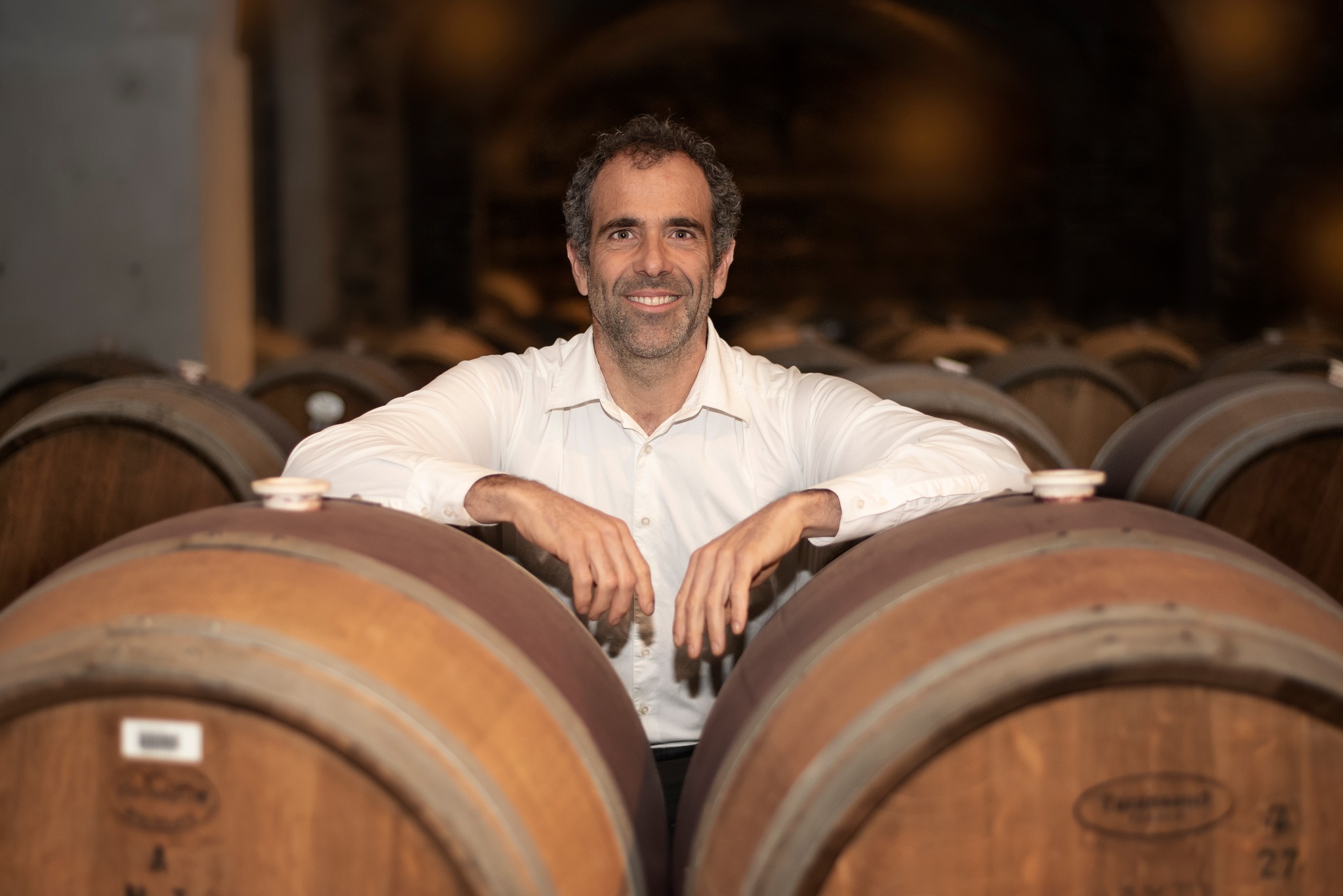
Ronchi di Castelluccio winery
Photo Credit: Ronchi di Castelluccio

But he had many passions: painting, writing and winemaking. It could be more accurate to say that he had a passion for the land, especially his home – the region of Emilia-Romagna.

In the 1970s, Gian Vittorio grew the famous Sangiovese red grape variety among the Romagna hills, where he was one of the first to recognize the outstanding potential for great Sangiovese red wines in the sub-region of Modigliana; today, it is considered one of the best places outside of Tuscany to find high-quality Sangiovese wines.

Masters Shaping A Region

Gian Vittorio founded the winery Ronchi di Castelluccio in Modigliana and consulted with the iconic Luigi Veronelli, an extremely influential journalist who was a defender of artisanal producers, who told him to focus on single-vineyard bottlings because of the fantastic diversity of terroir in the area. A local agronomist who was an expert in Sangiovese, Remigio Bordini, assisted Gian Vittorio in managing the vineyards and picking the ideal Sangiovese clones for each site so that the wonderfully diverse terroir in Modigliana would openly express each vineyard in the various bottlings. Like many of the Italian wine producers Luigi Veronelli championed, Ronchi di Castelluccio would have a cult following that was not part of the bigger limelight dominated by larger wineries and corporations, and still today, those wines from the 1970s, of which there is still quite the collection in the cellars, are magnificent and fresh, showing the incredible ageability of these wines.  

Ronchi di Castelluccio estate
Photo Credit: Ronchi di Castelluccio

It was highly unorthodox, especially back then, for a wine producer in an obscure region to make single-vineyard bottlings and use costly organic practices in the vineyards. But Gian Vittorio was known as a man who never compromised on the purity of expression, which was evident in the manifesto he wrote about filmmaking which illustrated his commitment to the use of only hand-held cameras, natural lighting and no manipulative editing, as well as other things.

Gian Vittorio Baldi would have to sell Ronchi di Castelluccio in his golden years. Still, with any passion project that refuses to compromise, even at the risk of losing out on profits, the property became greatly neglected over time under the ownership of others. An acclaimed property that was instrumental in establishing Mondigliana in Emilia-Romagna as an ideal place to make soulful, excellent Sangiovese wines started to slide into obscurity tragically.

Those Who Change The World

Paolo and Aldo Rametta
Photo Credit: Ronchi di Castelluccio

Fortunately, two brothers, Paolo and Aldo Rametta, who were raised around the world as their father was constantly moving for work, had a dream as far back as they could remember to have their own Italian winery and vineyards. Since they felt that Romagna was their true motherland, they knew that eventually, after they earned enough money in their renewable energy and finance careers, they could buy a property, and hence, always kept their eyes open.

An opportunity they could have never imagined arrived with the sale of Ronchi di Castelluccio, as they knew the property well as they were Sangiovese lovers. Right from the beginning, they created a small team devoted to bringing the vineyards and winery back to its former glory, with Francesco Bordini, Remigio Bordini’s son but who is famous in his own right, at the helm. Francesco became the first person to map the diversity of various plots and soil types in Romagna.

Buco del Prete vineyard
Photo Credit: Ronchi di Castelluccio

The Rametta brothers have made many key decisions that point to the fact that they are only concerned with making the highest quality Sangiovese from this estate, as not only did they hire Francesco Bordini, but they have brought back organic and sustainable practices as well as the bottling of single vineyards. They also bought another property in Romagna, Poggio della Dogana, that produces a native white grape variety, Albana, which was at one time, according to Aldo, on the verge of becoming a “lost variety” and they are part of the movement in making Albana the top white wine, right by Sangiovese’s side, in the Romagna area with its high acidity giving it potential to age and a salinity that Aldo says is like a “memory from the sea.”

All of these men who were part of Ronchi di Castelluccio’s journey to becoming a North Star for the region have taken on many undesirable challenges as they knew the tough road was the only way forward. They understood very early on that only those who are content with their surroundings can live a happy, comfortable life. Yet those fiercely unhappy with their surroundings can change the world, and those who change the world should not be forgotten. And that is what the Rametta brothers intend, to keep the legend of Gian Vittorio Baldi alive as not only was he a filmmaker who never compromised, but a man with a passion for the land that has made Sangiovese from Modigliana the beacon of beauty that it is today.

Link to original Forbes article: https://www.forbes.com/sites/cathrinetodd/2024/12/21/red-italian-wine-region-elevated-by-italian-masters-of-art-and-viticulture/

Ronchi di Castelluccio lineup of wines
Photo Credit: Cathrine Todd

Red wines from Ronchi di Castelluccio:

2020 Ronchi di Castelluccio, Buco del Prete Single Vineyard, Sangiovese Modigliana, Romagna DOC, Emilia-Romagna, Italy: 100% Sangiovese from the single vineyard of Buco del Prete. Bright, vibrant aromas of red cherry, violets and orange peel that is electrifying in its clarity of expression with layers of complexity unraveling in the mouth with fresh leather, sandalwood and wild mountain herbs with flavors of black cherry granita and an energetic linear drive finishing with fine tannins.

2020 Ronchi di Castelluccio, Ronco della Simia Single Vineyard, Romagna DOC Sangiovese Modigliana, Emilia-Romagna, Italy: 100% Sangiovese from the single vineyard of Ronco della Simia. A nose that cast a spell with cocoa dust, potted plants, blackberry turnovers and black raspberry liqueur all wrapped up with baking spices that is round and broad on the palate with a long, flavorful finish.

White wines from Ronchi di Castelluccio and Poggio della Dogana:

2021 Ronchi di Castelluccio ‘Sottovento’ Sauvignon Blanc, Rubicone IGT Bianco, Emilia-Romagna, Italy: 100% Sauvignon Blanc. Gian Vittorio Baldi felt that the local white variety Albana didn’t do so well on the Ronchi di Castelluccio estate, so he planted Sauvignon Blanc instead. The vineyards are located over 1,600 feet above sea level and within the haven of a forest, as for every 2.5 acres of vineyards, there are 10 acres of woods. Pretty nose of honeysuckle and nectarine skin with hints of sage leaf and wet stones with juicy fruit on the palate that finishes with a delectable salty almond note. 

2022 Poggio della Dogana ‘Belladama’ Albana Secco, Romagna DOCG
Photo Credit: Cathrine Todd

2022 Poggio della Dogana ‘Belladama’ Albana Secco, Romagna DOCG, Emilia-Romagna, Italy: 100% Albana from the single vineyard of Brisighella reaching up to 1,000 feet above sea level. Enticing notes of lemon confit, citrus blossom and a saline minerality make one yearn for the sea with subtle flavors of nectarine and chamomile tea on the palate with a fierce mineral finish and mouthwatering acidity that is impressive. 

Posted in Dame Wine | Tagged , | Leave a comment

Napa Winery With Several 100-Point Red Wines Releases Promising White Wine

Flowers, leaves, dry earth and bark were intoxicating while impressionistic images of trees and scrub zipped by and billowy cloud formations peaked here and there through the top of the canopies created by majestic, towering trees; the fiercely beating heart started to melt away, and the struggles to keep up a fast pace left the body like heavy shackles dropping to the ground as an overall feeling of euphoria created a sense of levitation – a man who owns a successful construction business has the run of his life within the stunning natural beauty that is part of the paradise that is known as Napa Valley. Originally from Canada, this devoted runner was overwhelmed by the gorgeous surroundings, and it says something that he was elevated by such natural wonders coming from a country that some may argue has the most breathtaking landscapes on Earth. But it was not just Mother Nature who wooed him, as the wines, the restaurants and the tight-knit community of passionate people from all over the world made Cliff Lede fall head over heels in love with Napa, especially since he had been collecting Bordeaux wines since his 20s.

Winery Overview ©Bob McClenahan

In 2002, he founded Cliff Lede Vineyards after purchasing 60 acres in the Stags Leap District of Napa Valley and he brought in top experts to replant and manage most of the estate with an emphasis on using the ideal grape variety clones for the soil and aspect of various plots. Being a man of many passions, Cliff named blocks after some of his favorite music albums and rock songs, such as ‘Dark Side of the Moon.’ Cliff Lede Vineyards has produced many top red wines that are focused on a micro-specific expression of sense of place, and their ‘Poetry Vineyard’ has won several 100-point scores from top wine critics as it is a fantastic, steep property with volcanic and fractured shale soils that produced very concentrated fruit that delivers a complexity and richness that is always jaw-dropping in its ‘wow’ factor.

Yet, Cliff Lede Vineyards, which has only had one white wine in their lineup until a few years ago, has released a new white wine bottling that aims to create a top white wine with long aging potential, such as those legendary Bordeaux estates that make some of the most collectible white wines, such as Château Haut-Brion, yet with a terroir expression that is uniquely its own.

Napa Valley Blanc

Cliff Lede ‘Marla’ Napa Valley Blanc

Jason Lede, general manager and Cliff Lede’s son, talked about how they, as a wine producer, are becoming much more plot-specific with their wines, and so, they are always searching for a parcel that is outstanding and utterly harmonious on its own. Yet, they want to make sure each vineyard bottling lives up to an extremely high standard as the bar is already high with their Cabernet Sauvignon-dominant ‘Poetry Vineyard.’ They just released another Cabernet Sauvignon-dominant single vineyard bottling called ‘Rhythm,’ a vineyard from gravelly loam soil. Of course, their ultra-premium white wine is called ‘Marla,’ which they call a Napa Valley Blanc as it aspires to Bordeaux fine wine expectations.

Poetry Vineyard
©Cliff Lede Vineyards

The ‘Marla’ Napa Valley Blanc is a barrel selection of their best white wine plots from the estate and growers, and the 2022 includes Sémillon old vines sourced from Calistoga to give multifaceted aromas and depth of flavor combined with estate-grown Sauvignon Blanc, Sémillon and Sauvignon Musqué from younger vines from their properties in the Stags Leap District, Carneros and Calistoga to add crisp acidity, juicy fruit and overall vitality. Jason noted that they are aiming for a stellar white wine that can greatly improve with age for 10-15 years.
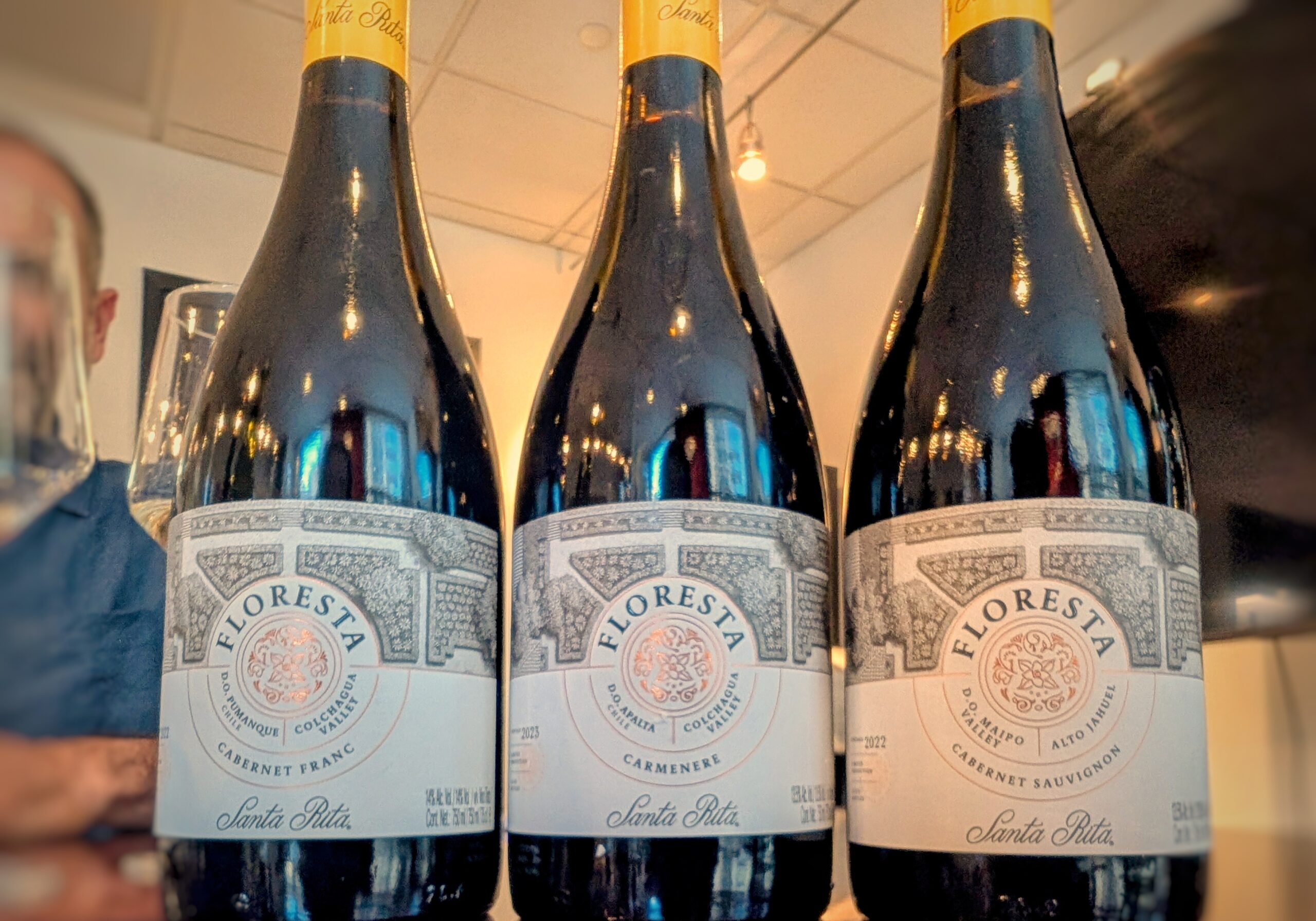
Point in Life

The wine is named after Jason’s sister Marla, who wasn’t living in Napa at the time as she was still back in Canada. But right after Covid, Jason, his father and his sister sat down to talk about the future of Cliff Lede Vineyards and doing everything in their power to make sure both Jason and Marla’s kids, who are now four, six and nine, will feel a connection to the winery and vineyards where they hope to continue a multi-generational ownership of Cliff Lede Vineyards, which is all about passion and community. Yes, financial planning has to be carefully considered and implemented to protect their kids and Cliff’s grandkids, but there would have to be another major decision considered, as the vineyards and community need to be an integral part of these kids’ lives.
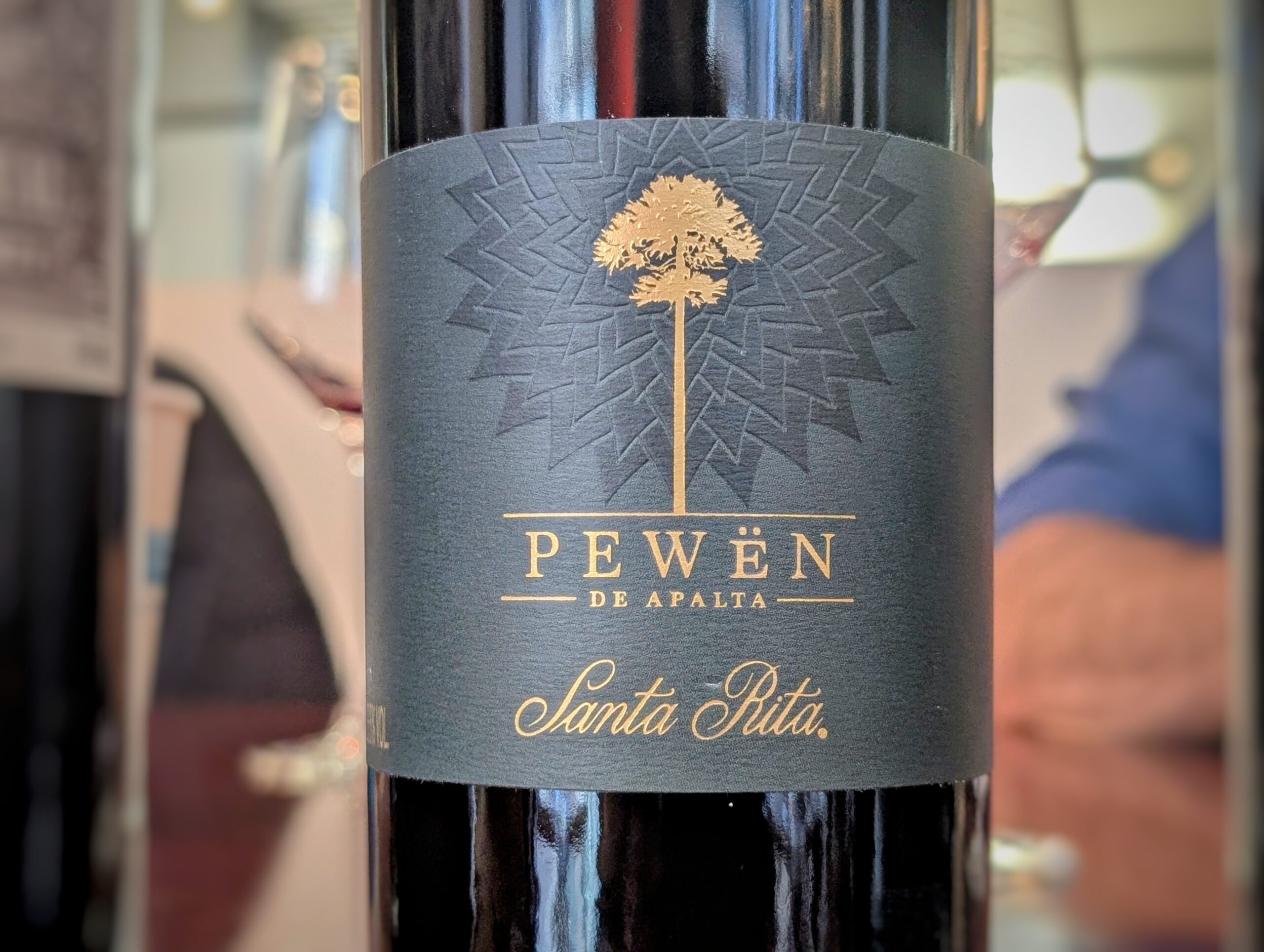
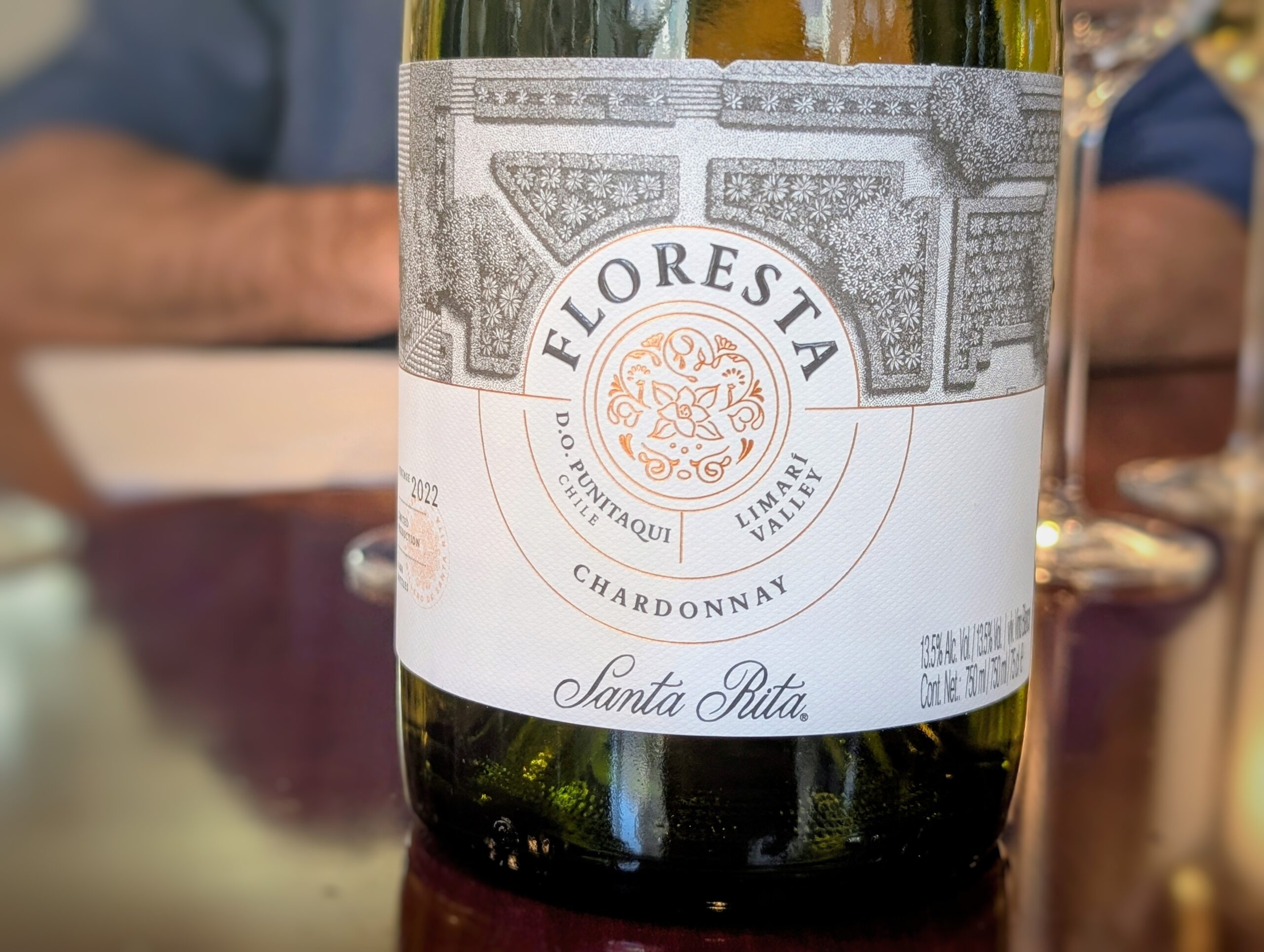
Jason and Cliff Lede
©Cliff Lede Vineyards

So Marla decided to move her family to Napa with her husband being able to work remotely, as she not only raises two kids but is going back to school to get her MBA and learns the ins and outs of the winery from her dad’s right-hand woman. So from the first bottling, which was only a minuscule amount that was made in 2018, with 2019 skipped and no wine for Cliff Lede being made for 2020 due to smoke issues from fires to 2022, a lot has changed in the lives of the Lede family.

Cousins will be able to grow up together with many of their key childhood milestones connected to the winery and vineyards their grandfather had painstakingly established, with only the best for all facets of this precious family business being considered. All those years ago, taking a run in Napa Valley during a business retreat, Cliff could have never imagined that he would find a place to bring his family that would have the same reverence for nature and hardwork as his first community in Canada yet while being one of the greatest wine regions worldwide. He knows that this is only possible through continuing the multi-generational commitment that his son and daughter are also driving.

With the world being turned upside down during Covid, many people worldwide reassessed their lives and asked themselves what they would regret at the end of their lives if they continued down the same road; each person’s answer is different, yet for Cliff, Jason and Marla it was very clear, as it is all about family coming together to protect a special place that can only sustain community if family-run wineries continue to survive.  

Link to original article on Forbes: https://www.forbes.com/sites/cathrinetodd/2024/12/13/napa-winery-with-several-100-points-for-red-wines-releases-top-white-wine/

Cliff Lede ‘Marla’ Napa Valle Blanc

2022 Cliff Lede, Sauvignon Blanc, Napa Valley, California: 78% Sauvignon Blanc and 22% Sémillon. This is the one white wine that Cliff Lede has had in their lineup before the bottling of the ‘Marla’ Napa Valley Blanc. A delicious white with notes of honeysuckle and white peach with a hint of lemon zest that is encapsulated by a round mouthfeel finishing with marked acidity.

2022 Cliff Lede ‘Marla’ Napa Valley Blanc, California: 64% Sémillon and 36% Sauvignon Blanc. Complex aromas of smoky minerality, lanolin and crumbled limestone that lets one know this is a white wine on a whole different level with bright acidity and rich texture that has an overall elegance and finesse that is enchanting. Only 90 cases were made.

2021 Cliff Lede, Cabernet Sauvignon, Napa Valley, California: 86% Cabernet Sauvignon, 10% Merlot, 3% Petit Verdot and 1% Cabernet Franc. Their regional Napa Valley wine is a level above what one would expect with delectable flavors of plum tart and baking spices with added layers of fresh tobacco leaf and broken earth.

Cliff Lede ‘Rhythm’

2021 Cliff Lede ‘Rhythm’ Stags Leap District, Napa Valley, California: 86% Cabernet Sauvignon, 7% Petit Verdot, 5% Merlot and 2% Cabernet Franc. Black cherry preserves and blueberry muffins beckon to the drinker, balanced by lots of acidity and earthy notes of slate and granite with sage leaf and a firm structure to give it lift and precision.

2019 Cliff Lede ‘Poetry’ Stags Leap District, Napa Valley, California: 89% Cabernet Sauvignon, 4% Cabernet Franc, 4% Petit Verdot and 3% Merlot. This 2019 Poetry was awarded 100 points by Wine Advocate and it has won a 100-point score a few times over the years. A provocative wine with a multifaceted bouquet of cherries jubilee flambé laced by a fierce minerality with a background of pretty violet notes that evolve into salted dark chocolate with chili flakes and magnificently woven tannins that have a celestial quality with an astonishingly long finish that almost knocks one to the ground with its impressive length of flavor and complexity.  

Posted in Dame Wine | Tagged , , | Leave a comment